
Beautiful Plants For Your Interior
Beautiful Plants For Your Interior
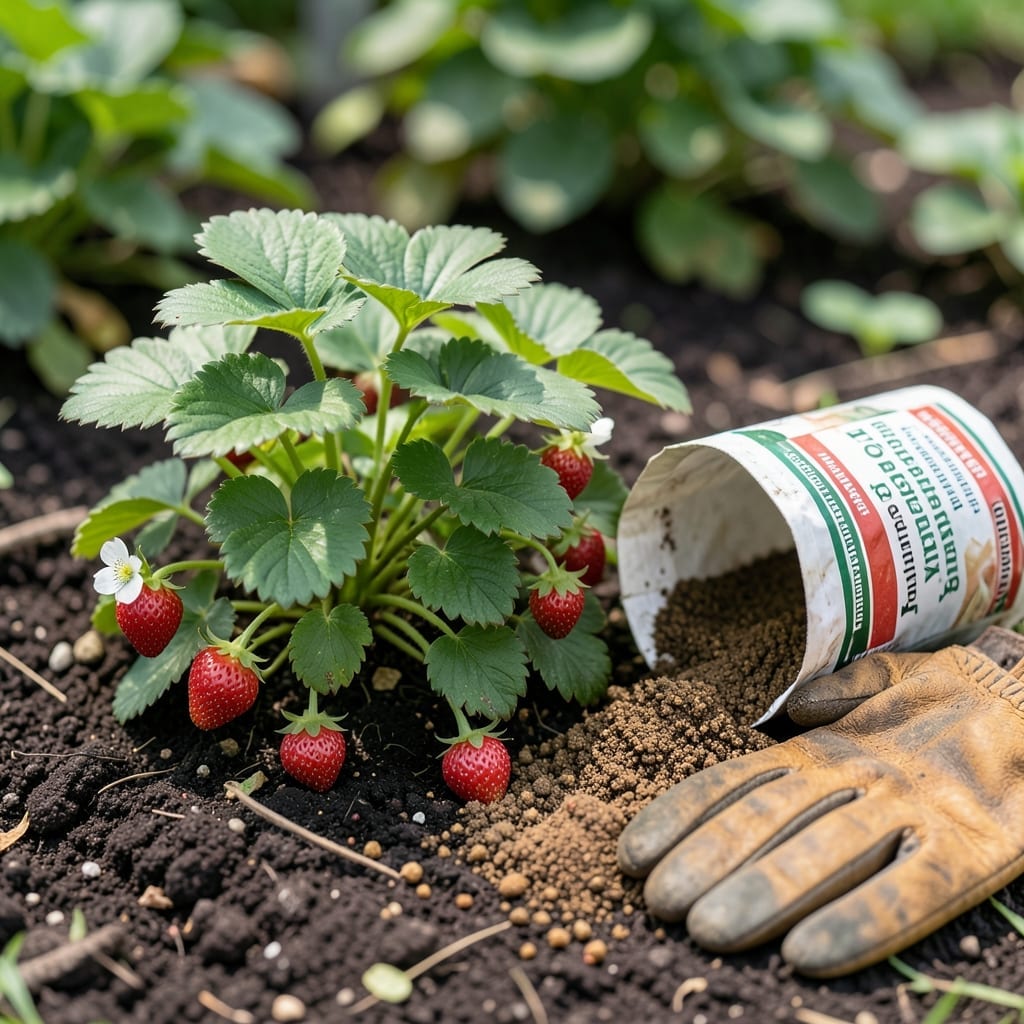
Growing sweet, juicy 🍓 Strawberry starts with understanding what your plants crave. Without the right balance, even the healthiest plants may struggle to produce bountiful harvests.
I’ve learned that the difference between lackluster and thriving plants often comes down to nutrients. It’s not just about watering or sunlight—it’s about feeding your plants what they truly need.
From nitrogen to micronutrients, each element plays a key role in growth, fruiting, and overall health. You’d be surprised how small adjustments can lead to bigger, sweeter yields.
Let me walk you through the essentials, so you can give your Strawberry plants exactly what they need to flourish.


If you want plump, sweet strawberries, you’ll need to focus on the core nutrients that fuel their growth. I’ve found that nitrogen, phosphorus, and potassium form the foundation of healthy plants.
These macronutrients each play a unique role: nitrogen boosts leafy growth, phosphorus supports root development, and potassium enhances fruit production and disease resistance. 🌱
| Nutrient | Role in Strawberry Plants | Signs of Deficiency |
|---|---|---|
| Nitrogen (N) | Promotes leafy growth | Yellow leaves, stunted growth |
| Phosphorus (P) | Strengthens roots and flowers | Purple stems, poor fruiting |
| Potassium (K) | Boosts fruit quality and disease resistance | Weak stems, yellow leaf edges |
| Calcium | Prevents blossom end rot | Deformed berries, stunted growth |
| Magnesium | Essential for chlorophyll production | Yellow patches between leaf veins |
I always recommend a balanced NPK fertilizer like 10-10-10 for strawberries, but adjust based on soil tests. Too much nitrogen can lead to excessive leaves and fewer berries.
Secondary macronutrients like calcium, magnesium, and sulfur are just as vital. Calcium prevents blossom end rot, while magnesium keeps leaves vibrant green and healthy.
In my garden, I use compost and worm castings to naturally supply these essential nutrients. They improve soil structure while feeding the plants slowly over time.
For quick fixes, foliar sprays with seaweed extract or epsom salt can address deficiencies fast. Just mix 1 tbsp of epsom salt per gallon of water for magnesium boosts.
Remember, over-fertilizing can harm your plants. I stick to monthly applications during the growing season and reduce it in winter dormancy periods.
Always water deeply after fertilizing to help nutrients reach the root zone. This ensures your strawberries get the full benefit of every feeding. ☀️
With the right nutrient balance, your strawberry plants will reward you with bigger, sweeter harvests year after year. 🌿
While macronutrients get most of the attention, micronutrients like iron, zinc, and boron play a crucial role in strawberry health. These trace elements support enzyme function and fruit development, even in small quantities.
Without enough iron, strawberry leaves may turn yellow between veins, a condition called interveinal chlorosis. Zinc aids in growth hormone production, while boron improves fruit set and pollination.
I always recommend organic soil amendments for long-term soil health. Compost and worm castings improve soil structure while providing a balanced nutrient profile that strawberries love.
For quick fixes, chelated iron or zinc sulfate can correct deficiencies fast. But remember, less is more—over-application can harm plants. Always test soil before adding amendments.
Bone meal is another great option for phosphorus and calcium, which support strong root development. I add it to planting holes for new strawberry beds.
Finally, mulching with straw or pine needles helps retain moisture and slowly releases nutrients as it breaks down. This simple step can make a big difference in yield.
🌱