
Beautiful Plants For Your Interior
Beautiful Plants For Your Interior
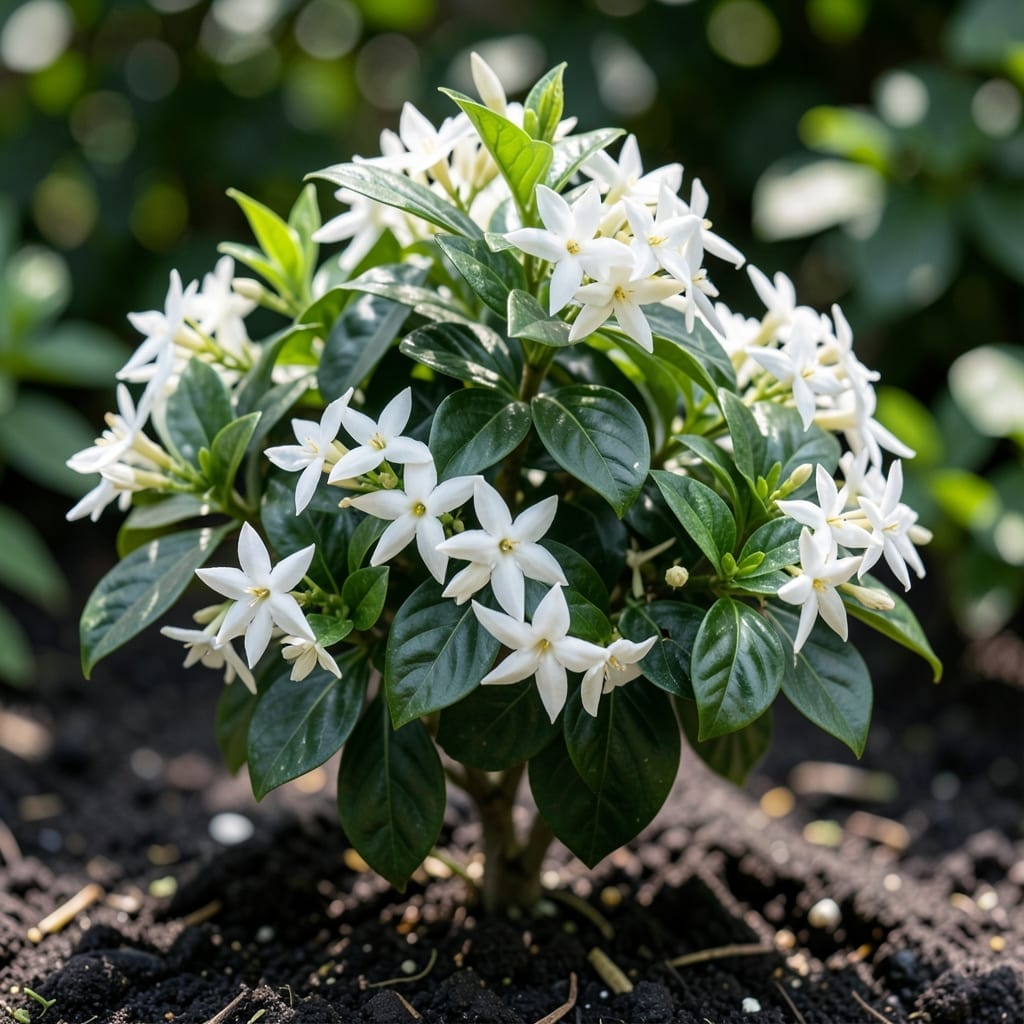
There’s something magical about stepping into a garden filled with the sweet aroma of Star Jasmine 🌸 in full bloom. But timing is everything with this climbing beauty.
If you’ve ever wondered when your Star Jasmine will burst into its fragrant white flowers, you’re not alone. The blooming season depends on your climate and care routine.
Discover the key factors that influence when those intoxicating blossoms will appear and how to maximize their display in your garden.
I’ve found that Star Jasmine typically bursts into bloom from late spring to early summer, filling gardens with its signature sweet fragrance. This timing can shift slightly depending on your USDA hardiness zone and local climate conditions.
In warmer regions like zones 9-10, you might see flowers as early as April or May. Cooler areas in zone 8 often experience blooms closer to June. The plant thrives with consistent warmth and longer daylight hours to trigger flowering.
| Region | USDA Zone | Bloom Start | Peak Season |
|---|---|---|---|
| Southern California | 9-10 | April | May-June |
| Gulf Coast | 8-9 | May | June-July |
| Pacific Northwest | 8 | June | July-August |
Temperature plays a crucial role in flower production. Star Jasmine prefers daytime temps between 70-85°F and won’t tolerate frost. If spring nights are still chilly, the plant may delay blooming until conditions stabilize.
Daylight duration is another key factor. As days grow longer in spring, the plant receives the signal to produce flower buds. In areas with mild winters, you might even get a second flush of blooms in early fall.
Soil temperature also matters. The roots need to be in consistently warm soil (above 60°F) to support blooming. Mulching can help maintain this warmth, especially in cooler climates.
I’ve noticed that well-established plants tend to bloom more reliably than younger ones. A mature Star Jasmine vine can produce hundreds of flowers during its peak season, creating a stunning and fragrant display.
For gardeners in zone 8, a late spring frost might delay blooming by a week or two. It’s worth protecting young plants with frost cloth if cold snaps are forecasted during the budding period.
If your Star Jasmine isn’t blooming on schedule, check its sunlight exposure. This plant needs at least 4-6 hours of direct sun daily to produce abundant flowers. Too much shade can result in sparse blooms or none at all.
Finally, remember that consistent watering during the growing season supports flower development. Drought stress can cause the plant to drop buds before they open, so keep the soil moist but well-drained for best results.
With the right conditions, your Star Jasmine will reward you with weeks of fragrant white blooms that attract pollinators and delight the senses 🌸
To maximize your Star Jasmine’s blooms, I focus on proper pruning timing. The best time is right after the first flowering wave ends, usually in early summer. This gives the plant time to produce new growth for the next bloom cycle.
Sunlight exposure is non-negotiable for abundant flowers. I ensure my Star Jasmine gets at least 6 hours of direct sun daily. In shadier spots, I’ve noticed significantly fewer blooms or weaker fragrance.
I’ve learned that over-fertilizing can actually reduce blooms. I use a balanced 10-10-10 formula in spring, then switch to a low-nitrogen, high-phosphorus mix as blooming time approaches. This shift encourages flower production rather than leafy growth.
Watering plays a crucial role too. I maintain consistent moisture during the growing season, especially as buds form. However, I’m careful not to overwater, as soggy roots can cause bud drop before flowers even open.
Another trick I use is light pruning throughout the growing season to shape the plant and remove any dead or weak stems. This directs the plant’s energy toward producing more flowers rather than maintaining unproductive growth.
Finally, I’ve found that healthy soil makes a big difference. I amend the planting area with compost or well-rotted manure each spring to provide essential nutrients. This simple step often results in more abundant and fragrant blooms 🌸