
Beautiful Plants For Your Interior
Beautiful Plants For Your Interior
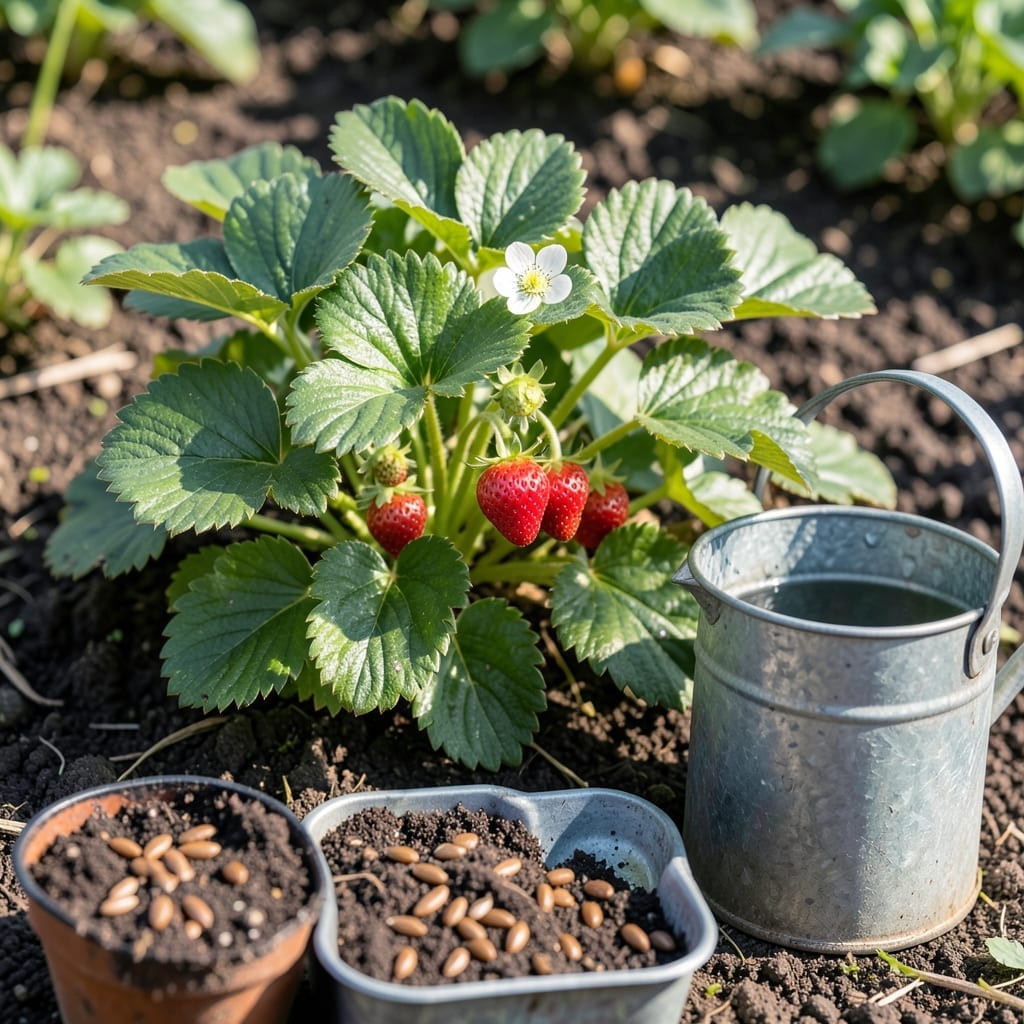
Growing strawberries from seed is a rewarding but patience-testing process that transforms tiny seeds into sweet, juicy 🍓 fruits. I’ve learned that understanding each germination stage is the key to success.
From stratification to seedling emergence, every phase has unique needs. You’ll need to pay close attention to timing and conditions to ensure healthy growth.
Let me walk you through what to expect and how to set your Strawberry seeds up for the best start. It’s easier than you think with the right approach.


Watching strawberry seeds transform into thriving plants is a fascinating journey. I’ve found that each germination stage has unique visual cues and care needs that determine success.
From the moment you plant those tiny seeds, you’ll notice distinct changes. The process requires patience, as strawberries can take 2-4 weeks just to sprout, with full germination sometimes stretching to 6 weeks.🌱
| Stage | Timeline | Key Action |
|---|---|---|
| Stratification | 2-4 weeks | Cold treat seeds at 35-40°F |
| Sowing | Day 1 | Plant in moist seed mix |
| Sprouting | 7-21 days | Keep at 65-75°F with light |
| True Leaves | 21-30 days | Fertilize with half-strength feed |
| Transplant Ready | 6-8 weeks | Harden off seedlings outdoors |
The first stage is cold stratification, which breaks the seed’s dormancy. I place my seeds in a damp paper towel inside a sealed bag in the fridge for 2-4 weeks. This mimics winter conditions.
After stratification, it’s time to sow. I use a fine seed-starting mix and barely cover the seeds since they need light to germinate. A spray bottle helps keep the soil moist without disturbing the seeds.
Within 7-21 days, you’ll see tiny sprouts emerging. At this point, I ensure my seedlings get 12-14 hours of light daily under grow lights. The temperature should stay between 65-75°F for best results.
Once the first true leaves appear, I start fertilizing with a diluted solution. This stage, around 3-4 weeks in, is when the plants begin developing their characteristic strawberry leaves.
By 6-8 weeks, your seedlings should be ready for transplanting. I always harden them off first by gradually exposing them to outdoor conditions over 7-10 days. This prevents shock.
The final stage is planting out. I space my strawberry seedlings 12-18 inches apart in well-draining soil. They’ll need full sun and consistent moisture to thrive.
Remember, strawberry seeds are slow germinators. Don’t be discouraged if you don’t see sprouts right away. Patience and consistent care are your best tools for success.🌿
Creating the right environment is crucial for strawberry seed success. I’ve learned that these seeds need specific conditions to break dormancy and sprout. Without them, germination can fail entirely.
Temperature plays a huge role. Stratification requires 35-40°F for 2-4 weeks, while sprouting needs 65-75°F. This temperature shift signals to the seed that it’s time to grow.
Light exposure is another critical factor. Once sown, strawberry seeds need 12-14 hours of light daily. I use grow lights to ensure consistent exposure, especially when starting seeds indoors.
Moisture levels must stay consistent. I keep the soil moist but not waterlogged, using a spray bottle to avoid disturbing the seeds. Overwatering can cause rot, while underwatering halts germination.
The soil type matters too. I always use a fine seed-starting mix that drains well. Regular garden soil is too heavy and can suffocate the delicate seeds.
Lastly, be patient. Even with perfect conditions, strawberry seeds can take 2-6 weeks to germinate. I check daily for signs of life but resist the urge to dig around in the soil.🌱
Remember, consistency is key. Fluctuations in temperature, light, or moisture can set back your progress. Stick to the ideal conditions, and you’ll see those tiny seeds transform into healthy seedlings.