
Beautiful Plants For Your Interior
Beautiful Plants For Your Interior
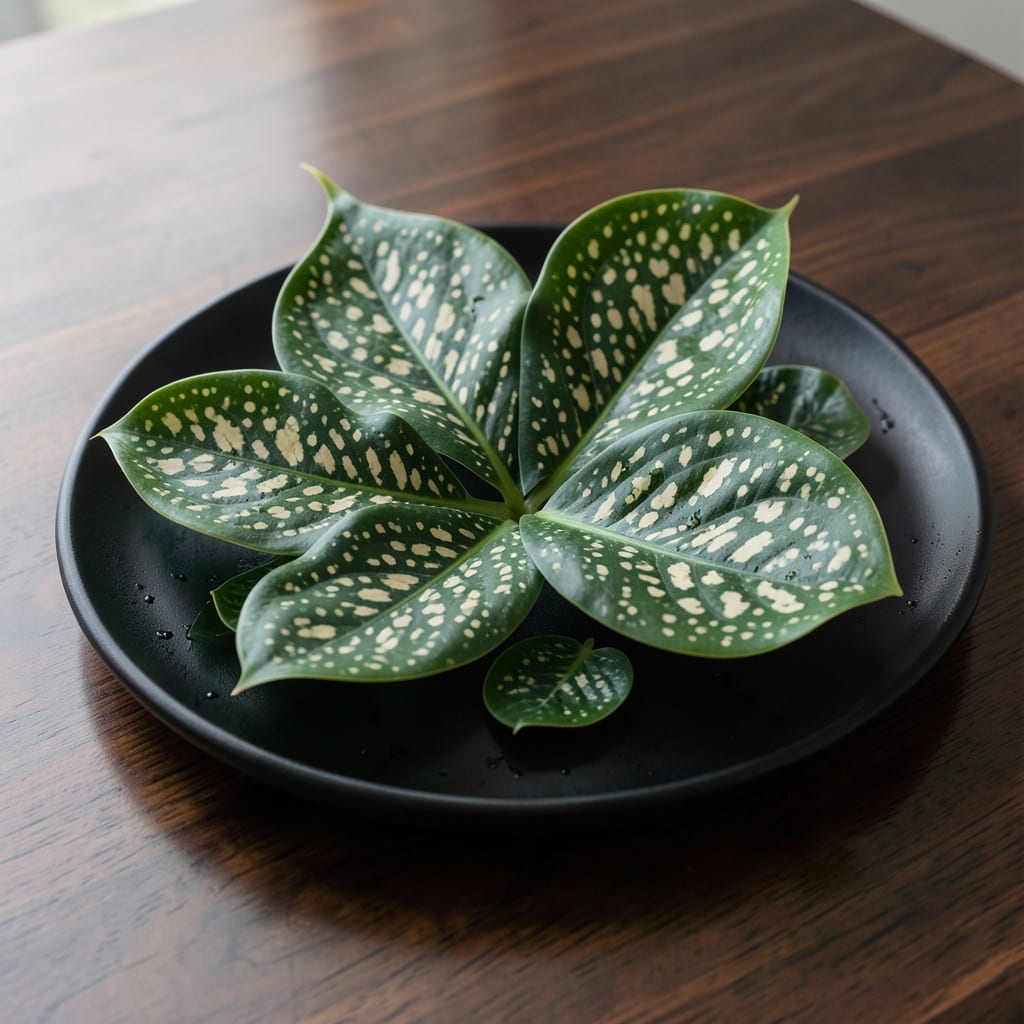
Those ugly spots on your calla lily leaves aren’t just unsightly—they’re a cry for help. I’ve dealt with my share of leaf problems, and spotted leaves usually mean one of three things: fungi, pests, or your plant’s way of saying it’s stressed out.
Fungal issues show up as brown or yellow spots with fuzzy edges, while pests leave behind tiny holes or sticky residue. Environmental stress, like too much water or not enough light, can cause discoloration too. The good news? Most fixes are simple and organic.
With the right approach, your calla lilies can bounce back in 2-3 weeks. I’ve saved mine with neem oil, better airflow, and adjusting watering habits. You’ll see fresh, spot-free growth once you tackle the root cause.
No need to reach for harsh chemicals. A few tweaks to care and some natural remedies will have your plants looking lush again in no time.
Spotted calla lily leaves often signal underlying issues that disrupt the plant’s health. Below are the most common causes, explained with actionable insights to help you diagnose and address the problem.
Fungi like Phytophthora or Pythium thrive in overly moist conditions, leading to dark, water-soaked spots on leaves. These pathogens spread rapidly in poor drainage or high humidity. Action: Reduce watering, improve airflow, and apply copper-based fungicides to halt progression.
Sap-sucking pests such as aphids, spider mites, or scale insects weaken the plant, causing yellow or brown spots. Their feeding creates entry points for secondary infections. Action: Inspect leaf undersides and stems. Treat with neem oil or insecticidal soap for organic control.
Overwatering, underwatering, or sudden temperature swings stress the plant, manifesting as irregular spots or edges. Calla lilies prefer consistently moist (not soggy) soil and stable temperatures between 60–75°F. Action: Adjust care routines to maintain ideal conditions.
A lack of essential nutrients, particularly magnesium or potassium, can cause chlorotic (yellow) or necrotic (brown) spots. Poor soil quality or improper fertilization often triggers this. Action: Use a balanced, water-soluble fertilizer and test soil pH (ideally 6.0–6.5).
Excessive or improper use of fertilizers, herbicides, or hard water (high in salts) can scorch leaves, creating crisp, brown spots. Action: Flush the soil with distilled water and avoid over-fertilizing. Always dilute chemicals as directed.
Spotted calla lily leaves can often be treated with simple, organic solutions. Below are targeted fixes for common causes, along with prevention tips to keep your plants healthy long-term.
Remove affected leaves immediately to prevent the fungus from spreading. Apply a copper-based fungicide or a homemade mix of 1 tsp baking soda + 1 quart water + a few drops of dish soap. Spray every 7–10 days until spots disappear. Prevention: Space plants properly for airflow, water at the base (not overhead), and avoid soggy soil.
Wipe leaves with a neem oil solution (1 tbsp neem oil + 1 tsp mild soap + 1 liter water) to combat spider mites or aphids. For stubborn pests, introduce beneficial insects like ladybugs. Prevention: Regularly inspect the undersides of leaves and keep the area free of debris where pests hide.
Let the soil dry out slightly between waterings. Repot the plant if root rot is suspected, trimming any black, mushy roots. Use a well-draining potting mix. Prevention: Use a moisture meter or stick your finger 1–2 inches into the soil—water only if it feels dry.
Move the plant to a spot with bright, indirect light or use a sheer curtain to filter harsh rays. Trim severely damaged leaves to redirect energy to healthy growth. Prevention: Acclimate calla lilies gradually to new light conditions, especially after repotting or moving outdoors.
Apply a balanced liquid fertilizer (10-10-10) every 4–6 weeks during the growing season. Yellow spots may indicate magnesium deficiency—add Epsom salt (1 tbsp per gallon of water) as a foliar spray. Prevention: Test soil annually and amend with compost for long-term nutrient balance.
💡 Pro Tip: Always sterilize pruning tools with rubbing alcohol to avoid spreading pathogens between cuts!
Yes, if caused by fungi or pests, spots can spread quickly. Isolate affected plants immediately and treat with neem oil or fungicide to prevent contamination.
With proper treatment, new healthy growth appears in 2-3 weeks. Damaged leaves won’t heal but fresh ones will emerge spot-free.
Brown spots often indicate advanced damage or fungal infection, while yellow may signal stress or early deficiency. Act faster with brown discoloration.
Yes, prune affected foliage with sterilized tools to prevent spreading. This redirects energy to healthy growth and reduces pathogen load.
