
Beautiful Plants For Your Interior
Beautiful Plants For Your Interior
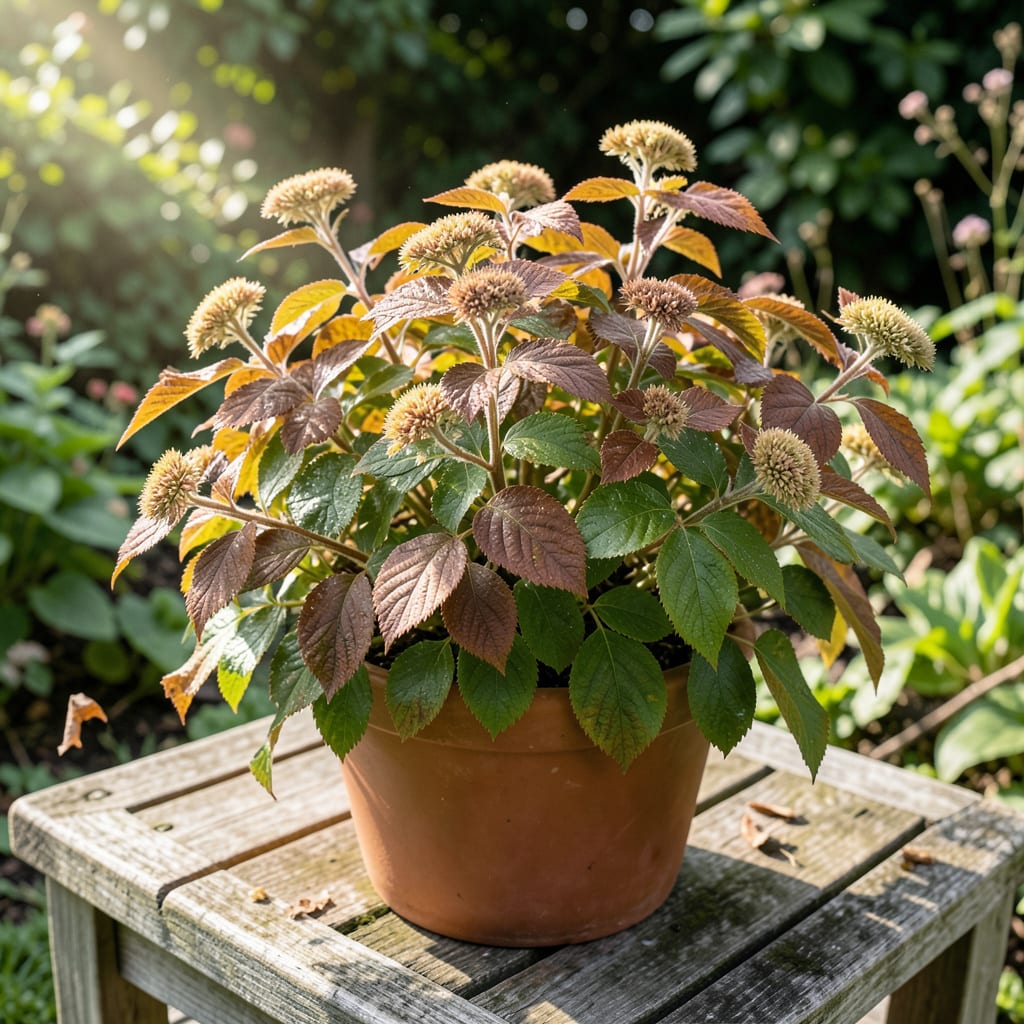
Brown leaves on your spirea aren’t just unsightly—they’re a distress signal. I’ve seen this happen to even the most neglected shrubs, and the good news is it’s usually fixable.
Most cases come down to 3 main culprits: drought stress, fungal issues, or pest damage. The pattern of browning tells you which one you’re dealing with—edges first means water, spots mean fungus, holes mean bugs.
With the right approach, you can stop the spread within a week and see new green growth in 2-3 weeks. The key is acting fast before the damage becomes permanent.
Works for all spirea varieties, from bridal wreath to goldflame. Here’s how to diagnose and treat it properly.
Brown leaves on your spirea often signal stress or disease. Here are the most common causes, explained simply:
Spirea thrives in moderate conditions, but prolonged heat (above 90°F/32°C) or insufficient water can scorch leaves, turning edges brown and crispy. The plant’s vascular system struggles to supply water to foliage under extreme transpiration demand, leading to necrosis (cell death).
Too much water suffocates the roots, preventing oxygen uptake. This triggers root rot (often caused by Phytophthora or Pythium fungi), which disrupts nutrient transport. As roots die, leaves can’t get water or minerals, resulting in brown, wilted foliage—often starting at the base.
Pathogens like Cercospora or Alternaria cause leaf spot diseases, marked by brown or purple-spotted leaves. These fungi thrive in humid, wet conditions, entering through stomata (leaf pores). Infected tissue dies, expanding into irregular brown patches. Anthracnose is another culprit, creating sunken, dark lesions.
Spider mites and aphids pierce leaf cells to feed, draining sap and leaving stippled brown spots. Severe infestations cause widespread browning as leaves desiccate. Check leaf undersides for webbing (mites) or sticky residue (aphids).
A lack of potassium or magnesium often shows as brown leaf margins (scorch) while veins stay green. Poor soil pH (too alkaline or acidic) can lock out these nutrients, even if they’re present. Test soil with a kit—spirea prefers a slightly acidic to neutral pH (6.0–7.0).
Once you’ve identified the likely cause, take targeted action to revive your spirea and prevent the problem from returning.
If dry soil is the culprit, give your spirea a slow, deep watering at the base until the top 6 inches of soil are moist. Water early in the morning to reduce evaporation. For prevention, maintain consistent moisture—about 1 inch of water per week, including rainfall. Pro tip 💡: Add a 2-inch layer of mulch around the base to retain moisture and regulate soil temperature.
Soggy roots need to dry out. Stop watering immediately and check the drainage. If the soil stays waterlogged, amend it with compost or sand to improve aeration. For potted spirea, ensure the container has drainage holes. Prevention ✨: Water only when the top inch of soil feels dry, and avoid letting the plant sit in saucers of standing water.
Remove all brown or spotted leaves and stems with clean, sharp pruners to halt the spread. Disinfect tools between cuts using rubbing alcohol. Apply a copper-based fungicide or neem oil spray, following label instructions. Prevention tip 🎯: Space plants for good air circulation, and water at the base to keep foliage dry.
Blast aphids or spider mites off with a strong stream of water. For stubborn pests, use insecticidal soap or horticultural oil, applying in the early morning or late evening. Prevent future attacks 🌡️: Encourage beneficial insects like ladybugs by planting companion flowers such as marigolds or yarrow nearby.
If leaves brown due to excessive sun or frost, move potted plants to a spot with afternoon shade or use a shade cloth. For in-ground plants, consider transplanting in early spring or fall. Pro tip ✨: Acclimate plants gradually to new light conditions to avoid shock.
Yellowing or browning leaves may signal a lack of nutrients. Test your soil and amend with a balanced, slow-release fertilizer (10-10-10) or organic compost. Prevention 💡: Feed spirea lightly in early spring and again after flowering to support healthy growth.
Not always. If the damage is recent, new growth can replace brown leaves. Prune affected areas and address the root cause for recovery in 2-3 weeks.
Drought causes crispy edges on upper leaves first. Overwatering makes lower leaves wilt and turn brown with a soggy feel. Check soil moisture 2 inches down.
Only if nutrient deficiency is the issue. Test soil first—excess fertilizer can burn roots. Use a balanced 10-10-10 formula if tests confirm low nutrients.
Remove damaged leaves, water deeply at the base, and provide afternoon shade. Most shrubs show improvement within 1 week of proper care.
