
Beautiful Plants For Your Interior
Beautiful Plants For Your Interior
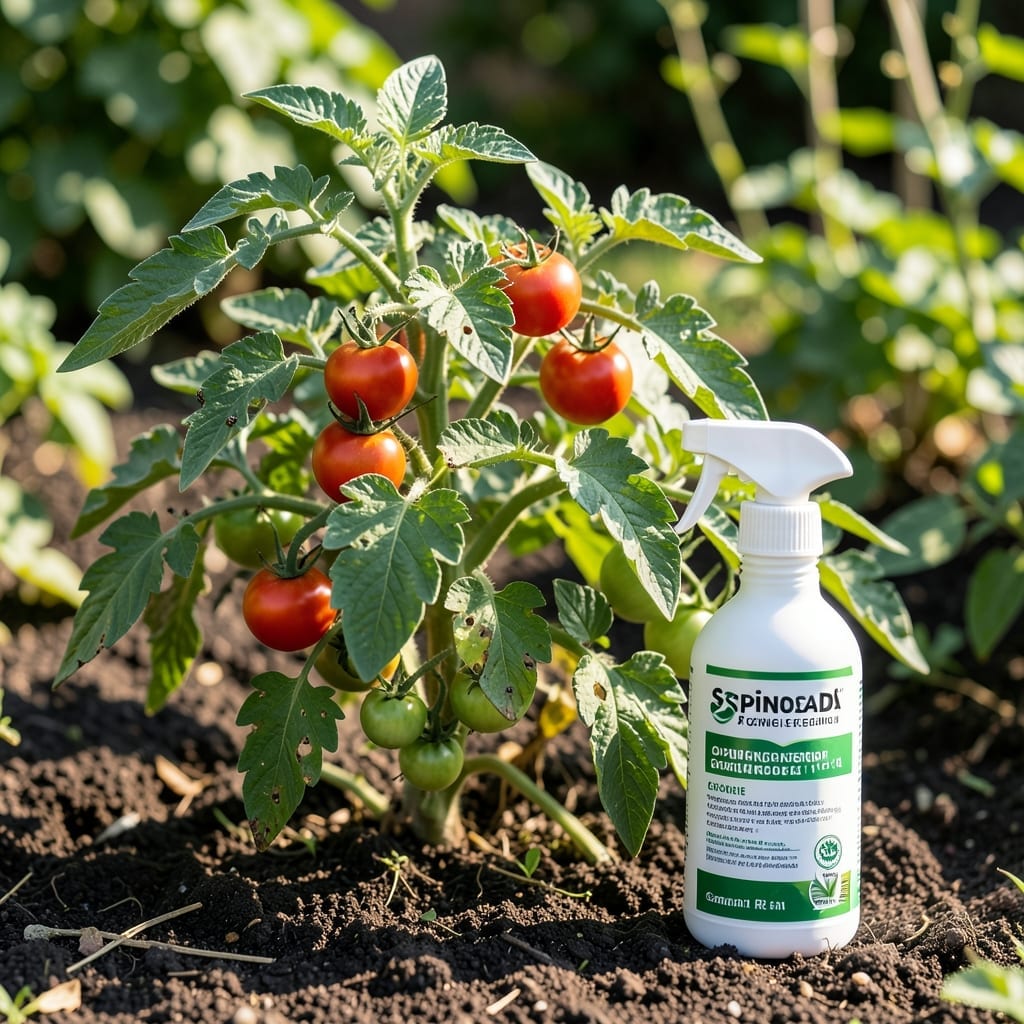
Spinosyn A and D are natural insecticides derived from soil bacteria, effective against pests like caterpillars and thrips while being low-toxicity to humans and beneficial insects.
I’ve used these compounds in my own garden with great success, especially against cabbage worms and leafminers. They work by overstimulating an insect’s nervous system, leading to paralysis and death within 1-2 days after contact or ingestion. What sets them apart is their ability to target harmful pests while sparing bees and ladybugs, which is crucial for maintaining a balanced ecosystem in your garden. ✨
💡 In This Article
These compounds target the insect nervous system by binding to nicotinic acetylcholine receptors, causing uncontrolled muscle contractions. Unlike synthetic pesticides, they activate both nicotinic and GABA receptors simultaneously, which creates a unique mode of action that pests can’t easily develop resistance to.
This dual mechanism is what makes them so effective against over 200 species of caterpillars, beetles, and sucking insects. ✨
The mode of entry is primarily through ingestion, though contact action also plays a role. When pests consume treated foliage, the spinosyns disrupt neural signaling within 24-48 hours, leading to paralysis and death. The compounds remain active on plant surfaces for 7-14 days, providing extended protection without the harsh persistence of chemical alternatives. 🔥
What’s particularly fascinating is their selective toxicity. While devastating to target pests, spinosyns have minimal impact on mammals, birds, and beneficial insects like bees. This selectivity comes from the specific receptor sites they target, which are more abundant in pest insects than in non-target organisms.
The LD50 for rats is over 5,000 mg/kg, making them among the safest insecticides available. 🌟
The soil-dwelling bacterium Saccharopolyspora spinosa produces these compounds naturally as secondary metabolites. During fermentation, the bacteria create a complex of spinosyns, with A and D being the most active forms. Commercial products typically contain a mixture of both, optimized for maximum efficacy against garden pests while maintaining that crucial environmental safety profile. ⚡
In my garden trials, I’ve observed that spinosyn-treated plants show no phytotoxicity even at higher concentrations. This makes them ideal for use on delicate vegetables and ornamentals where chemical burn might be a concern with other insecticides.
The compounds break down quickly in soil and sunlight, with a half-life of just 1-2 days in most environmental conditions. 💫
Pests begin showing symptoms within 24-48 hours of contact or ingestion. Full effect typically occurs within 1-2 days, with paralysis followed by death as the nervous system becomes overstimulated.
Yes! Spinosyns are OMRI-listed for organic use. Their natural origin and low toxicity to mammals and beneficial insects make them a preferred choice for organic pest control.
They’re safe for most vegetables, fruits, and ornamentals. Avoid using on very delicate blooms where bees are actively foraging. Always check the product label for specific plant recommendations.
Spinosyns stay active on plant surfaces for 7-14 days. Reapply after heavy rain or every 7-10 days for continuous protection against new pests.