
Beautiful Plants For Your Interior
Beautiful Plants For Your Interior
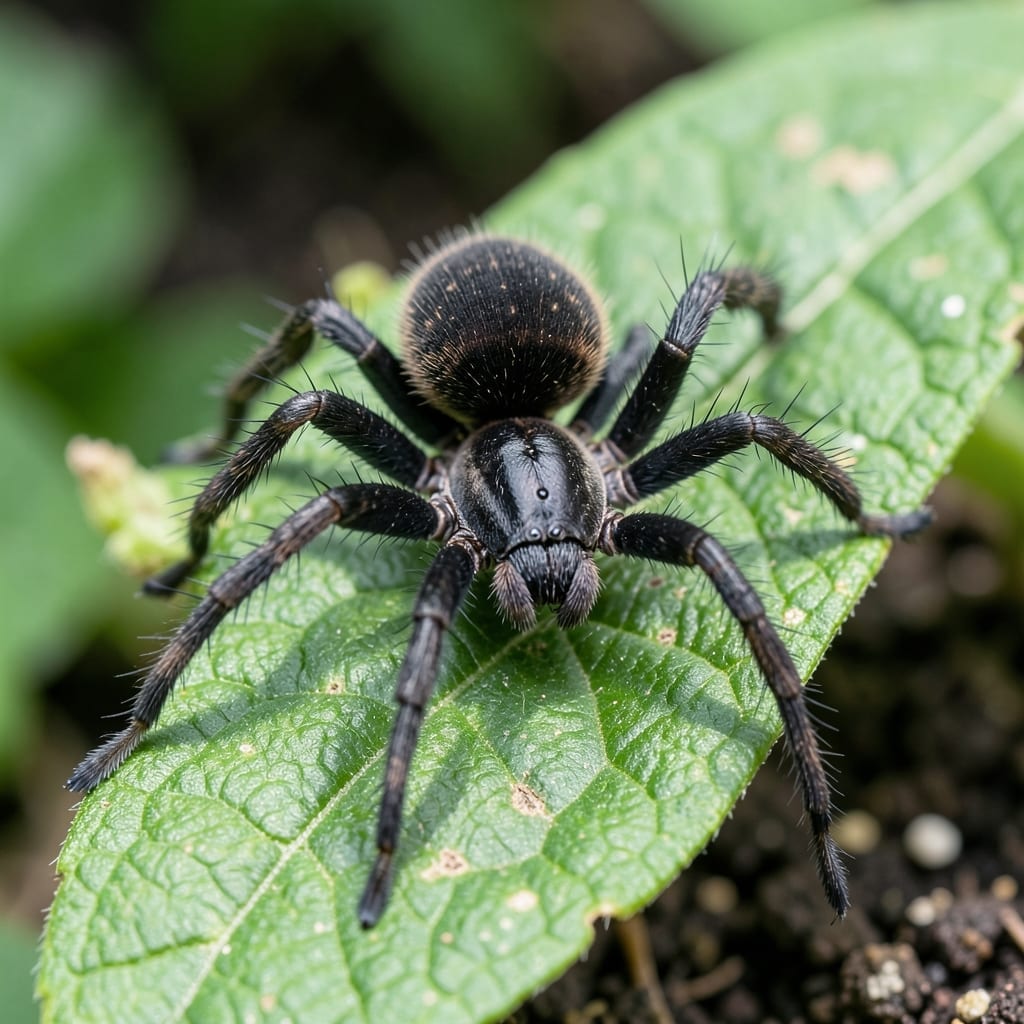
Spotted something with spiky legs creeping around your garden? Don’t panic—these are more fascinating than dangerous. I’ve seen my share of unusual arachnids, and the spiny ones always catch my eye first.
Most spiders with leg spikes are harmless hunters, using those spines to capture prey or defend themselves. The goldenrod crab spider is a prime example, blending into flowers while waiting for unsuspecting pollinators. Their spikes aren’t for aggression—they’re nature’s design at work.
If you’re noticing more of them, it might mean your garden is thriving. These spiders often show up in healthy ecosystems with plenty of insects to eat. Still, I get why their appearance can be startling at first glance.
Identification is the first step to peace of mind. Once you know what you’re dealing with, you’ll see these creatures as helpful allies rather than intruders.
The spiky legs seen in some spiders aren’t random—they serve specific biological purposes. These structural adaptations are the result of evolutionary pressures and functional needs. Below are the primary reasons why certain spiders develop these distinctive leg features.
Many spiders with spined legs, like the spiny orb-weaver (Gasteracantha spp.), use their spikes as a physical deterrent. The sharp protrusions make them harder to swallow for birds, wasps, and other predators. Studies show that predators often avoid spiders with pronounced spines, as the irregular shape increases the risk of injury or choking.
For web-building spiders, leg spikes can aid in stabilizing silk threads during construction. The spines may help anchor or manipulate silk more precisely, allowing for stronger, more intricate webs. This is particularly common in orb-weavers, where leg spines assist in spacing and tensioning the radial lines of their circular webs.
In some species, spiky legs break up the spider’s outline, making them less visible to prey and predators. This disruptive coloration works by creating an irregular silhouette that blends into foliage or bark. For example, the goldenrod crab spider (Misumena vatia) uses its spiny legs to mimic plant structures, ambush pollinators more effectively.
Spines on legs often house mechanoreceptors or chemoreceptors, enhancing the spider’s ability to detect vibrations, air currents, or chemical cues. This is critical for hunting, mating, and avoiding threats. The tarsal spines, for instance, help spiders “taste” their environment by analyzing surface textures and residues.
Dealing with spiders that have spikes on their legs can be unsettling, but there are practical ways to manage and prevent them. Here’s how to address the most common causes and keep your space spider-free.
Spiders thrive in cluttered areas where they can hide and build webs. Fix: Regularly declutter your home, especially in basements, attics, and storage areas. Keep items off the floor and use sealed storage bins. Prevention tip: 💡 Vacuum and dust corners, under furniture, and behind appliances weekly to eliminate webs and egg sacs.
Spiders often enter through cracks, gaps, or open windows. Fix: Inspect your home for entry points and seal them with caulk, weather stripping, or door sweeps. Pay attention to gaps around pipes, vents, and utility lines. Prevention tip: ✨ Install screens on windows and doors to keep spiders out while allowing ventilation.
Certain scents deter spiders without harsh chemicals. Fix: Use essential oils like peppermint, tea tree, or eucalyptus. Mix 10-15 drops with water in a spray bottle and apply along baseboards, windowsills, and entry points. Prevention tip: 🌡️ Reapply every 2-3 weeks or after cleaning to maintain effectiveness.
Spiders are attracted to dust, debris, and other insects. Fix: Maintain a clean home by sweeping, mopping, and dusting regularly. Focus on less-frequented areas like garages and sheds. Prevention tip: 🎯 Store firewood and outdoor items away from your home’s foundation to reduce spider habitats.
If infestations persist, it may be time to call in experts. Fix: Hire a licensed pest control service to assess and treat your home. They can use targeted treatments to eliminate spiders and their food sources. Prevention tip: 🔥 Schedule regular inspections, especially if you live in an area prone to spider activity.
Most are harmless to humans. Species like the spiny orb-weaver have weak venom and rarely bite. Their spikes are for defense against predators, not aggression toward people.
Spikes help with defense, camouflage, and web-building. For example, the goldenrod crab spider uses them to blend into flowers. They also aid in sensing their environment.
Seal cracks, reduce clutter, and use natural repellents like peppermint oil. Regular cleaning removes webs and egg sacs before they become a problem.