
Beautiful Plants For Your Interior
Beautiful Plants For Your Interior
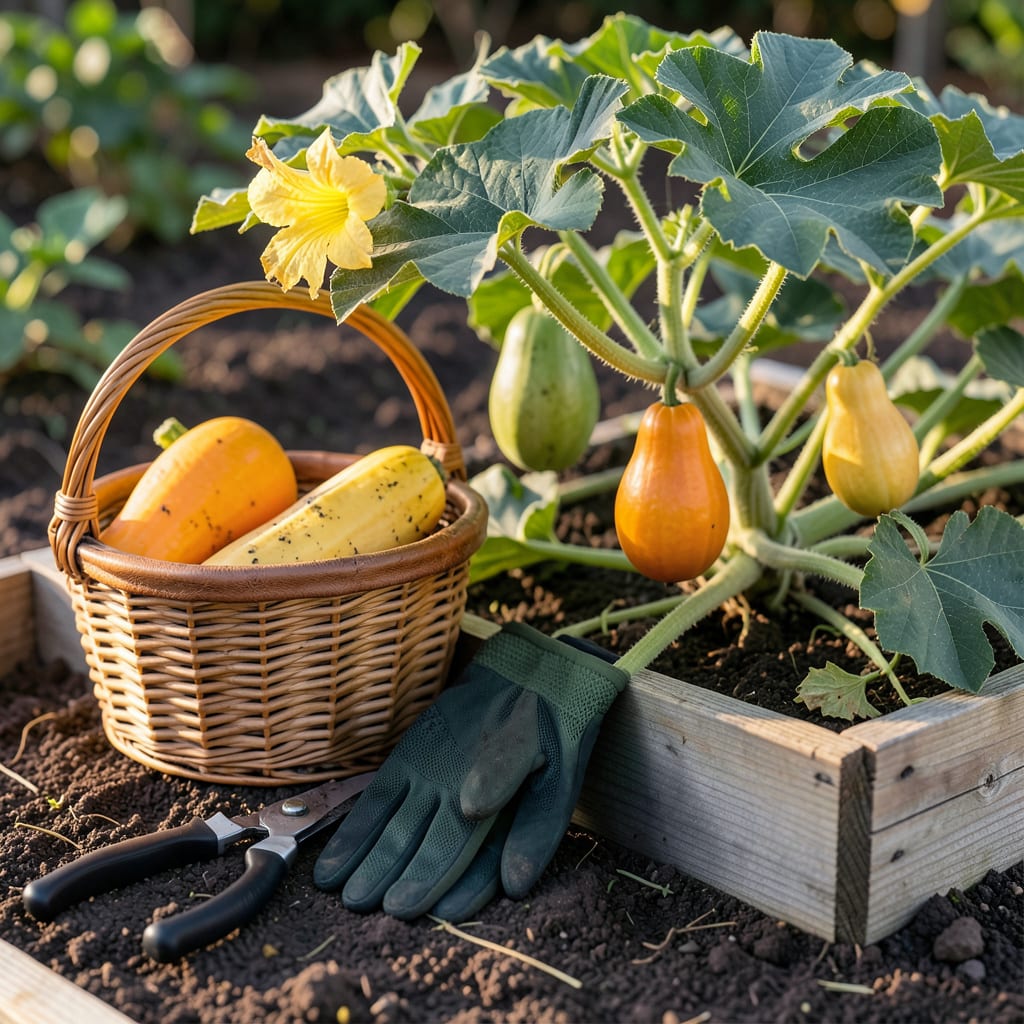
There’s nothing more disappointing than cutting into your homegrown 🎃 spaghetti squash only to find underdeveloped strands instead of that perfect pasta-like texture. I’ve been there—watching my squash grow all season, only to realize too late that timing is everything.
The difference between a bland harvest and sweet, nutty squash comes down to knowing exactly when to pick. I’ll show you the foolproof signs to look for and why waiting just a few extra days can transform your dish from disappointing to delicious. Let’s make this your best harvest yet.


After months of tending your vines, the moment of truth arrives: is your 🎃 spaghetti squash actually ready? I’ve learned the hard way that size alone isn’t enough. A squash might look impressive at 6 inches, but that doesn’t mean it’s developed its signature texture or sweetness.
The secret lies in combining visual cues with tactile tests. I check my squash weekly once they reach baseball size, using these five foolproof indicators. Remember, patience pays off—rushing the harvest is the #1 mistake gardeners make with winter squash.
I always perform the thumbnail test first—it’s the most reliable indicator. If your nail punctures the skin, wait another week and retest. The rind hardens significantly in those final days, which is crucial for long-term storage (properly cured squash keeps for months!).
Watch the stem connection closely. When it starts to crack where it meets the fruit, that’s nature’s way of saying “cut me loose!” I use clean pruners to leave 2 inches of stem—this prevents rot during curing. Never carry squash by the stem; it can detach and create an entry point for bacteria.
The vine dieback often surprises new growers, but it’s completely normal. As the plant senses the growing season ending, it focuses on seed development. In cooler climates (Zones 1-6), this typically happens after your first light frost. Warm-climate gardeners (Zones 7+) should watch for vine yellowing instead.
Here’s my pro tip: Harvest before heavy frost. While spaghetti squash tolerates light frost, a hard freeze (below 28°F) damages the rind. I cover mature squash with row fabric if frost threatens, then harvest immediately after. The cold can turn starches to sugars too quickly, altering texture.
If you’re growing ‘Orangetti’ (orange-skinned) or ‘Tivoli’ (ivory), note that their color indicators differ slightly. Orangetti develops a deep pumpkin hue, while Tivoli turns creamy white. Both should still pass the thumbnail test and reach proper weight before picking.
After harvesting, I let squash cure in the sun for 7-10 days to toughen the skin further. Store them in a cool (55-60°F), dry place—never in the fridge. Properly cured squash will keep until spring! The wait for that perfect al dente texture is always worth it. 🪴
Timing your 🎃 spaghetti squash harvest perfectly depends on where you live and what variety you’re growing. While the thumbnail test is my go-to method, understanding your local climate and the specific squash type helps prevent guesswork.
Most varieties need 80-100 days from planting to maturity, but cooler zones may require adjustments. I’ve found that tracking days to maturity from your planting date gives a reliable harvest window—then you can confirm with the visual cues we discussed earlier.
| Variety | Days to Maturity | Ideal Size | Zone Adjustments |
|---|---|---|---|
| Standard | 85-95 days | 8-12″ long, 4-5 lbs | Zones 3-5: Add 7-10 days |
| Orangetti | 80-90 days | 9-10″ long, 3-4 lbs | Zones 6-9: No adjustment |
| Tivoli | 75-85 days | 7-9″ long, 2-3 lbs | Zones 7-10: Harvest early if heat persists |
| Sugar Loaf | 95-105 days | 10-12″ long, 5-6 lbs | Zones 1-4: Start indoors 3 weeks early |
In cooler zones (1-5), I recommend starting seeds indoors 3-4 weeks before your last frost date. This head start helps compensate for shorter growing seasons. Always transplant after soil reaches 60°F—cold soil stunts growth and delays maturity.
For warmer zones (7-10), watch for prolonged heat waves above 90°F. While spaghetti squash loves warmth, extreme heat can stress plants and accelerate maturity. I’ve found that afternoon shade during heatwaves prevents sunburn on fruits while maintaining steady growth.
The first light frost is your harvest deadline in most regions. I make it a rule to pick all mature squash 1-2 weeks before my average first frost date. Use a soil thermometer to monitor—when nighttime temps drop below 50°F consistently, it’s time to harvest regardless of size.
Here’s my zone-specific trick: In Zone 6 (where I garden), I plant in late May and mark my calendar for early September harvest. This buffer accounts for our unpredictable early frosts. Southern gardeners in Zones 8-10 can often push harvests into October, but watch for vine borers in late summer.
Remember that container-grown squash often matures slightly faster due to warmer soil temperatures. If you’re growing in pots, start checking for ripeness about 5 days earlier than the seed packet suggests. The limited root space concentrates the plant’s energy into fruit development. 🌱
Timing your 🎃 spaghetti squash harvest wrong can turn months of gardening work into disappointment. I’ve made both mistakes—picking too soon and waiting too long—and each has distinct consequences for flavor and texture.
An underripe squash lacks the signature sweetness and firm strands we love. The flesh stays watery with poor texture, and the seeds remain underdeveloped. I once harvested a batch at 60 days—big mistake! They cooked up mushy instead of forming those perfect noodle-like strands.
An overripe squash develops stringy flesh and overly sweet flavor. The rind becomes tougher to cut, and seeds grow oversized. Last season I left some on the vine too long during a heatwave—they turned fibrous and lost that perfect al dente bite we want.
Here’s how to salvage less-than-perfect squash: For underripe ones, try indoor ripening in a warm (70°F), dark place for 10-14 days. They won’t improve much but may become slightly sweeter. Overripe squash works best in soups or purées where texture matters less.
The storage consequences are significant too. Underripe squash spoils within weeks, while overripe ones develop soft spots quickly. Perfectly timed harvests store beautifully for 3-6 months in cool, dry conditions. I lost an entire crop once by harvesting too early—now I always double-check with the thumbnail test!
Remember that weather impacts ripening. A late-season heatwave can accelerate maturity, while cool spells slow it down. When in doubt, harvest a test squash and cook it immediately. The strands should hold their shape when boiled for 10 minutes—if they disintegrate, your squash needs more time. 🌱
Check for green patches on the skin or a soft rind that dents easily. Underripe squash also feels lighter than expected for its size. If your thumbnail leaves a mark when pressed, it needs more time.
Cure them in a warm (80-85°F), dry place for 7-10 days first. Then store in a cool (50-55°F), dark area with good airflow. Properly cured squash lasts 3-6 months this way.
Light frost is fine, but harvest before temperatures drop below 28°F. Hard freezes damage the rind and shorten storage life. If frost is forecast, cover squash with row fabric or harvest immediately.
This usually indicates either overripeness at harvest or improper curing. Always harvest before the rind becomes dull and check for bruises before storing. Rot spreads quickly once it starts.
Yes! Standard varieties take 85-95 days, while ‘Orangetti’ matures in 80-90 days and ‘Tivoli’ in 75-85 days. Always check your seed packet and use the thumbnail test to confirm.
