
Beautiful Plants For Your Interior
Beautiful Plants For Your Interior
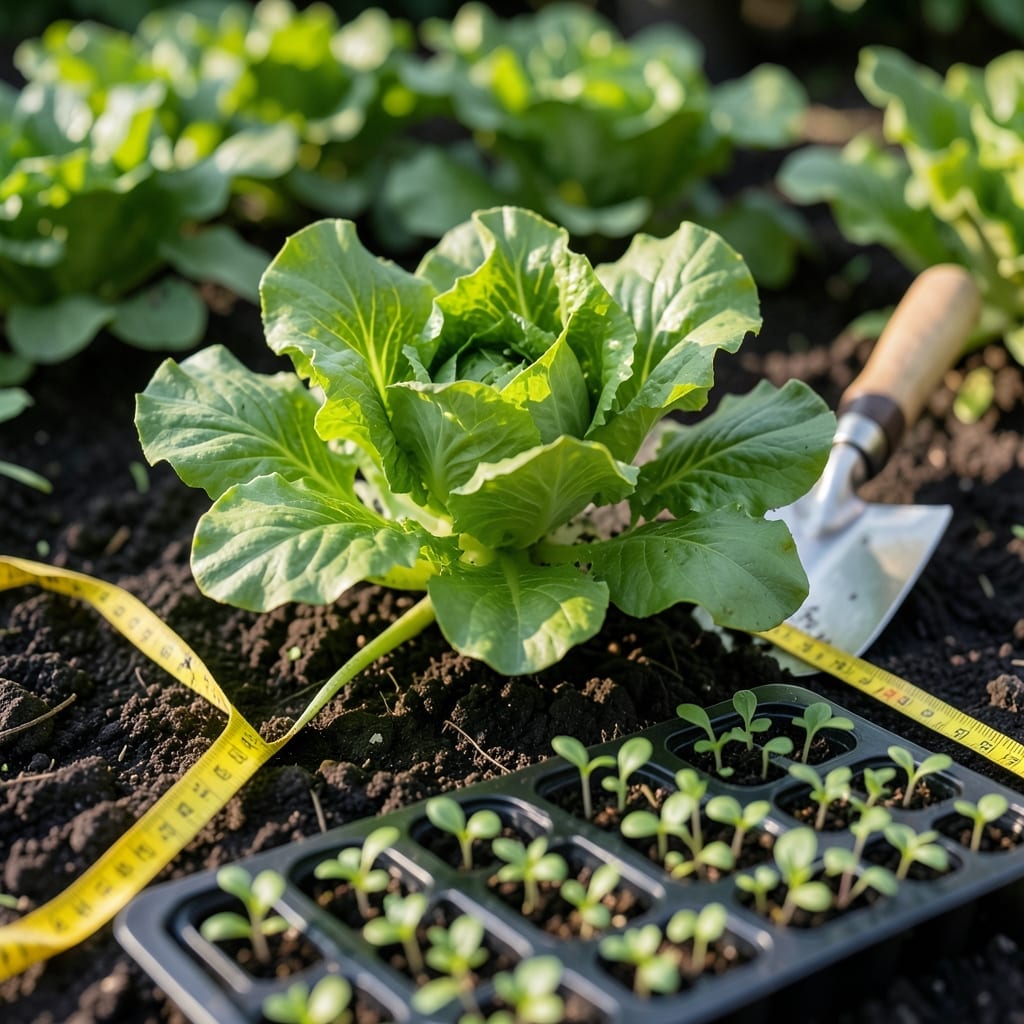
Proper spacing is the secret to lush, healthy 🥬 Lettuce crops that thrive without competition for sunlight, water, or nutrients.
Get it wrong, and you risk stunted growth, disease, or a disappointing harvest. I’ve seen firsthand how the right distance between plants transforms a garden.
Whether you’re growing leaf, romaine, or butterhead varieties, the ideal spacing makes all the difference. It’s not just about fitting more plants in your garden.
Discover how simple adjustments can maximize your yield and keep your Lettuce growing strong all season long.
I’ve found that leaf lettuce thrives with 6-8 inches between plants and 12-18 inches between rows. This gives each plant enough room to spread while maximizing garden space.
For head lettuce like iceberg, I recommend 12-14 inches between plants. The larger heads need extra space to develop properly without crowding neighbors.
| Variety | Plant Spacing | Row Spacing |
|---|---|---|
| Leaf Lettuce | 6-8 inches | 12-18 inches |
| Romaine | 8-10 inches | 18 inches |
| Butterhead | 10-12 inches | 18-24 inches |
| Head (Iceberg) | 12-14 inches | 24 inches |
Romaine lettuce does best with 8-10 inches between plants. Its upright growth habit means it can tolerate slightly tighter spacing than head varieties.
I’ve learned that butterhead lettuce needs 10-12 inches of space. The loose heads benefit from good air circulation to prevent fungal issues.
In my experience, row spacing is just as crucial as plant spacing. For most varieties, I maintain 18-24 inches between rows to allow for easy access during harvesting.
When I plant mixed varieties, I always give the larger types more space. This prevents shading issues where taller plants might block sunlight from smaller ones.
I’ve noticed that crowded lettuce tends to bolt faster. Proper spacing helps delay bolting and extends the harvest window significantly.
For square foot gardening, I plant 4 leaf lettuce per square foot, 1 romaine per foot, or 1 head lettuce per 2 square feet. This method works wonderfully in raised beds.
Remember that soil fertility affects spacing needs. In richer soil, you can sometimes plant slightly closer, but I never sacrifice air circulation for extra plants.
I always mark my spacing measurements before planting. This simple step saves me from overcrowding issues later in the season.
Proper spacing means healthier plants and bigger harvests in my garden every time. 🌱
I’ve learned that proper spacing isn’t just about aesthetics—it’s the foundation of a healthy lettuce patch. Crowded plants compete for sunlight, water, and nutrients.
This competition leads to stunted growth and weak plants that are more susceptible to pests and diseases. I’ve seen gardens where poor spacing turned a promising crop into a disappointment.
Good air circulation is one of the biggest benefits. When plants are spaced correctly, air flows freely, reducing the humidity that fungi love.
This means fewer issues with powdery mildew or downy mildew, which can quickly spread in dense plantings. I always remind gardeners that prevention is easier than treatment.
Another advantage is easier access for maintenance. With proper spacing, I can weed efficiently and water each plant at its base.
This also makes harvesting outer leaves simpler without disturbing neighboring plants. It’s a small adjustment with big rewards.
Finally, maximizing yield is a key goal. When each plant has enough space, it can grow to its full potential, producing more leaves for you to enjoy.
I’ve seen gardens where proper spacing doubled the harvest compared to crowded beds.