
Beautiful Plants For Your Interior
Beautiful Plants For Your Interior
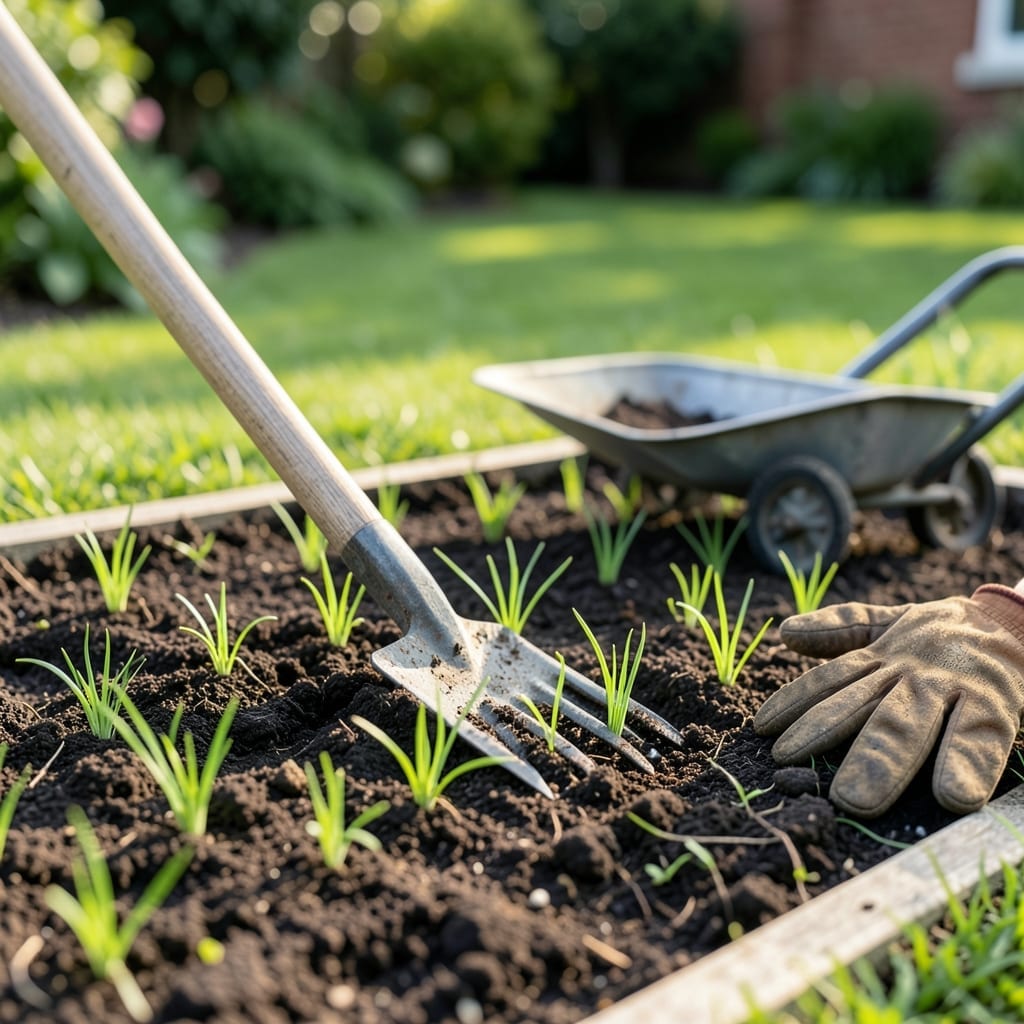
September might just be the key to the lawn you’ve always wanted. The cooler air and warm soil create perfect conditions for 🌱 Grass seed to thrive.
If you’ve struggled with patchy or thin grass in the past, this is your chance to discover why fall planting works so well. The timing gives your new growth a head start before winter.
I’ll walk you through everything you need to know about preparing your soil and choosing the right seed. These simple steps make all the difference.
Whether you’re starting fresh or filling in bare spots, now is the time to act. Let’s turn that yard into something you’ll be proud of next spring.

I’ve found that September seeding gives grass the perfect head start before winter. The soil stays warm from summer while air temperatures cool, creating ideal germination conditions for most grass types.
Cool-season grasses like Kentucky bluegrass and tall fescue thrive in these conditions. They establish strong root systems before cold weather arrives, giving you a lush lawn by spring. 🌱
| Benefit | September Advantage |
|---|---|
| Soil Temperature | Warm (60-75°F) for fast germination |
| Weed Competition | Minimal weed growth in fall |
| Moisture Levels | Natural rainfall and dew help |
| Root Development | Time to establish before frost |
I always recommend early September for sowing because it gives seeds 6-8 weeks to establish before the first frost. This timing is critical in northern climates where winters arrive early.
Unlike spring planting, fall seeding faces less competition from weeds. The cool air also reduces heat stress on new grass, which is especially important for delicate varieties.
Another advantage I’ve noticed is more consistent moisture. Morning dew and autumn rains help keep soil damp without the need for constant watering. This makes September seeding more forgiving for busy gardeners.
For warm-season grasses like Bermuda or Zoysia, September might be too late. These varieties do best when sown in late spring or early summer when soil temperatures are consistently above 65°F.
However, for cool-season types, the fall window is unbeatable. I’ve seen germination rates improve by 30-40% compared to spring plantings, thanks to these ideal conditions.
Don’t forget that soil preparation is just as important as timing. I always test my soil’s pH level before sowing—grass prefers a slightly acidic to neutral range (6.0-7.5).
Finally, I recommend overseeding thin areas in September. The existing grass helps protect new seeds from wind and birds, while the cool weather reduces stress on both old and new plants. ☀️
Pro tip: After sowing, keep the area consistently moist for 10-14 days. This is when most grass seeds germinate, and dry soil can kill them before they sprout. 🌿
I always recommend September seeding for a thriving lawn, as cool temperatures and consistent moisture create perfect germination conditions. The cool-season grasses like Kentucky bluegrass or fescue thrive when sown in early fall.
Start by testing your soil pH—it should be between 6.0 and 7.5 for optimal growth. Remove any debris or weeds and loosen the top 2-3 inches of soil to ensure good seed contact. This prep work prevents poor germination and patchy growth.
Choose the right seed blend for your climate—cool-season grasses are ideal for most northern regions. I prefer mixes with drought-resistant varieties for added resilience. Always check the label for germination rates and purity percentages.
After sowing, keep the soil consistently moist but not soggy. I water my lawn early in the morning to reduce evaporation and prevent fungal issues. Expect to see sprouts within 7-14 days if conditions are ideal.
Once the grass reaches 2-3 inches tall, gradually reduce watering frequency but increase the amount to encourage deep root growth. Avoid heavy foot traffic on new grass until it’s well-established, usually after 4-6 weeks. 🌱
Finally, apply a starter fertilizer high in phosphorus to support root development. I use a 16-4-8 NPK ratio for my fall plantings. This extra boost helps the grass survive winter and emerge stronger in spring. ✂️