
Beautiful Plants For Your Interior
Beautiful Plants For Your Interior
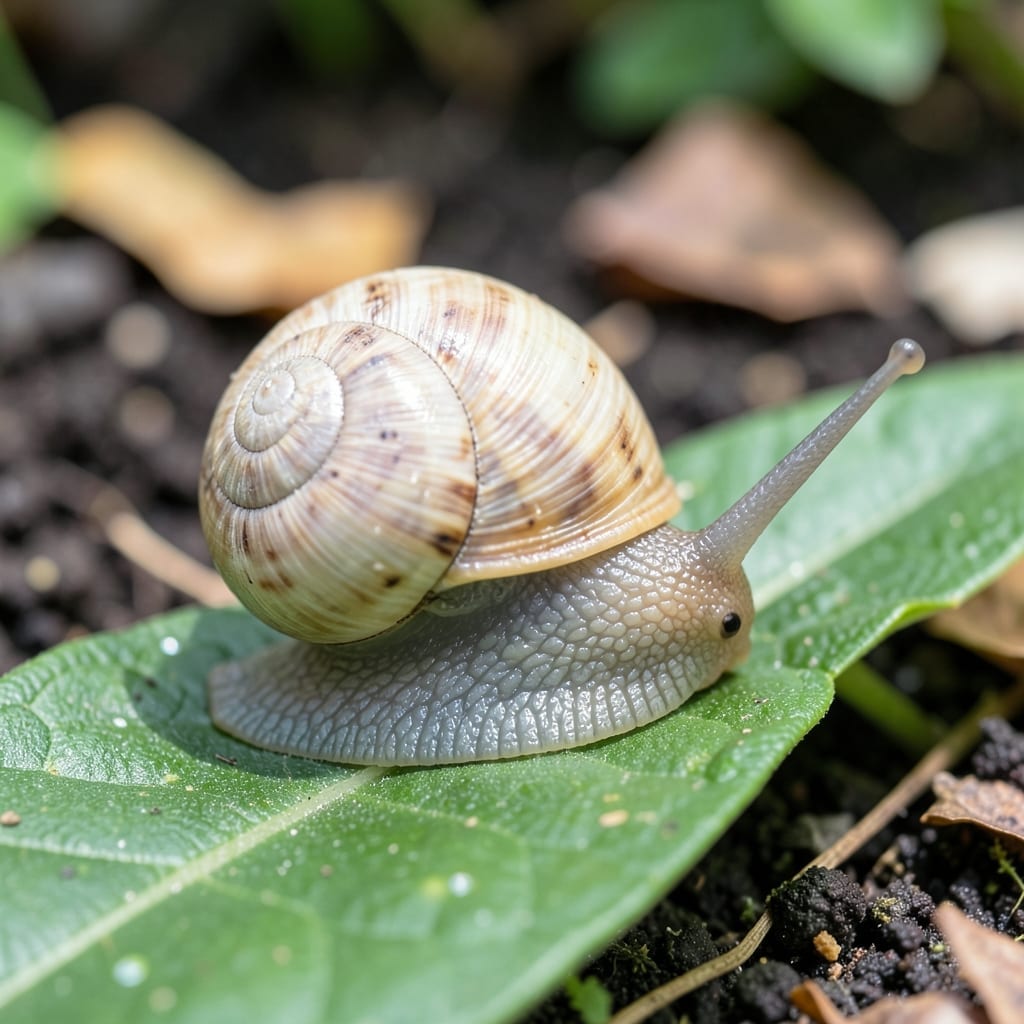
These slimy invaders caught me off guard last season. Southern flat coil snails can turn a thriving garden into a skeleton of stems overnight, leaving behind that unmistakable silvery trail.
I tried every method under the sun before finding what actually works. The key is humane removal that doesn’t harm beneficial insects or your plants. A simple overnight trap with beer does the trick, luring them away from your prized petunias.
You’ll wake up to a bucket full of pests instead of chewed leaves. No chemicals, no guilt—just a garden that stays intact and productive without the slimy intruders.
Works for raised beds, containers, or in-ground plantings. Here’s the step-by-step approach.
The southern flat coil snail thrives in gardens due to a combination of environmental and human-induced factors. Understanding these causes helps in targeting control efforts effectively.
These snails flourish in damp conditions. Overwatering, poor drainage, or heavy rainfall creates ideal breeding grounds. Mulch and dense plantings retain moisture, further encouraging their spread. Action: Improve drainage and reduce watering frequency to disrupt their habitat.
Thick foliage provides shelter and food, allowing snail populations to grow unchecked. Gardens with untended weeds, leaf litter, or dense ground covers are particularly vulnerable. Action: Regularly prune plants and remove debris to limit hiding spots.
Snails or their eggs often hitchhike on potted plants, soil, or gardening tools. Unknowingly, gardeners may introduce them when transplanting or adding new soil. Action: Inspect new plants and soil for snails or eggs before introducing them to your garden.
Decaying organic matter, like compost or rotting leaves, is a primary food source for these snails. They also feed on fungi and algae, which thrive in moist, shaded areas. Action: Keep compost bins sealed and remove decaying plant matter promptly.
Dealing with an influx of southern flat coil snails in your garden doesn’t have to mean reaching for harsh chemicals. Below are practical, humane solutions to keep these pests in check while preserving your garden’s ecosystem.
If you spot clusters of these small, flat-shelled snails on leaves or soil, handpick them early in the morning or after rain when they’re most active. Drop them into a bucket of soapy water or relocate them to a wooded area far from your garden. Prevention tip: 💡 Remove leaf litter and debris where they hide during the day.
Protect seedlings and tender plants with copper tape or crushed eggshells around pots and garden beds. The copper reacts with their slime, creating a mild electric charge, while sharp edges deter them. Prevention tip: ✨ Raise planters off the ground to limit access.
Southern flat coil snails thrive in damp environments. Water your garden in the early morning so soil dries by evening, and avoid over-mulching. Prevention tip: 🌡️ Use drip irrigation to target plant roots and reduce surface moisture.
Encourage birds, frogs, and ground beetles—natural snail predators—by adding a small water source or native plants. Avoid pesticides, which harm these helpful allies. Prevention tip: 🎯 Plant snail-repellent herbs like rosemary or thyme near vulnerable areas.
Look for small, flat, spiral shells and silvery slime trails on leaves and soil. They’re most active at night or after rain.
They thrive in damp environments and feed on decaying plant matter. Overwatered gardens with dense vegetation provide ideal conditions.
Handpick them at dawn or dusk and relocate to a wooded area. A beer trap overnight can also collect them humanely.
Yes! Copper tape creates a mild electric charge when contacted by their slime, effectively deterring them from crossing.