
Beautiful Plants For Your Interior
Beautiful Plants For Your Interior
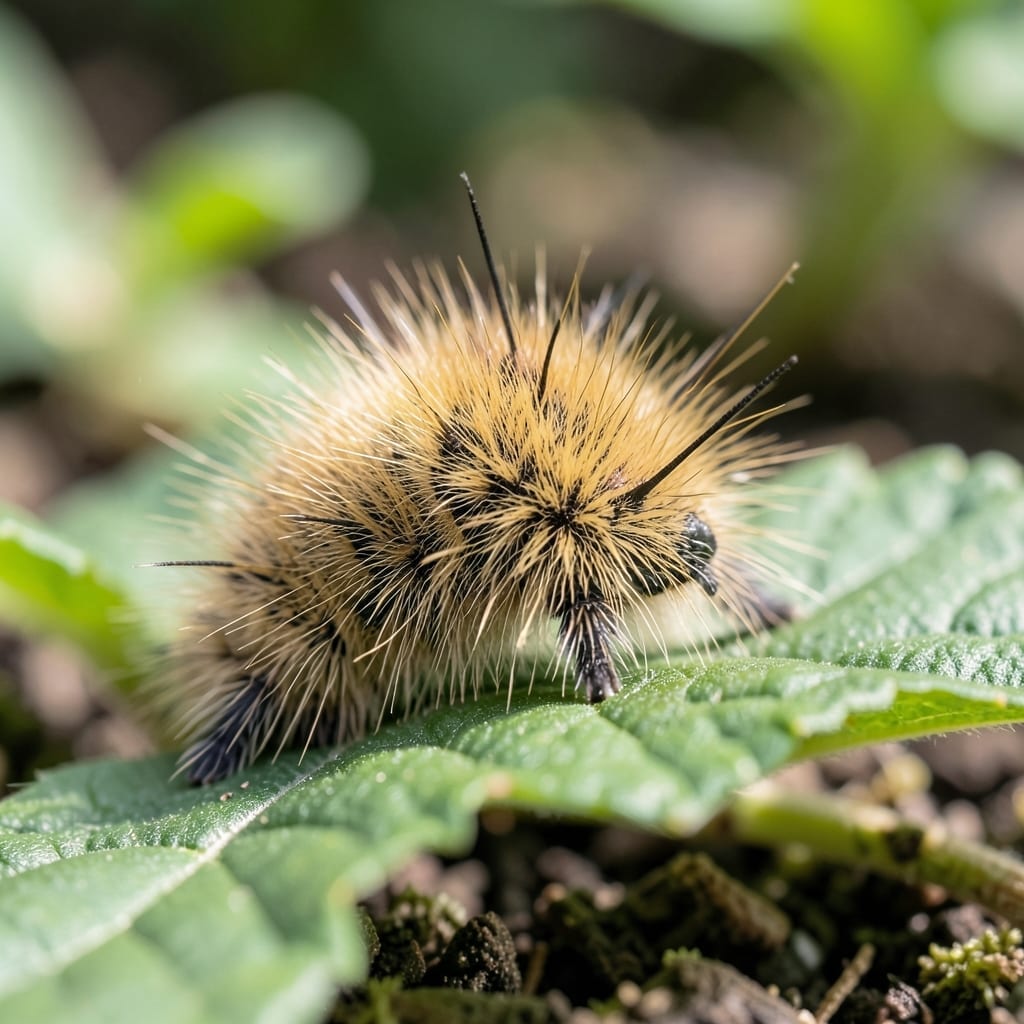
That fuzzy caterpillar in your garden might pack a surprise. I learned the hard way that the southern flannel moth caterpillar’s soft appearance hides spines that deliver a painful sting you won’t soon forget.
Identification is your first line of defense. These pests have a distinctive tan to gray coloring with longer tufts of hair, and they’re common in trees and shrubs across southern states. The sting feels like a sharp pinch followed by burning pain.
Here’s the thing—most people don’t realize the sting comes from venomous spines, not a bite. The pain typically peaks within 5-10 minutes but can linger for hours. Immediate action eases the discomfort significantly.
Fair warning: some folks experience more severe reactions. Knowing how to identify these caterpillars and what to do when stung keeps your gardening safe and enjoyable. This guide covers both.
The southern flannel moth caterpillar, also known as the Megalopyge opercularis, stings as a defensive mechanism. Unlike bees or wasps, it doesn’t bite or inject venom through a stinger. Instead, its sting comes from hollow, venom-filled spines embedded in its fur-like setae. Here’s why it happens:
The caterpillar’s body is covered in dense, silky hairs that conceal microscopic, brittle spines. These spines are connected to venom sacs. When brushed against skin, the spines break off and release venom into the wound, causing immediate pain, redness, and swelling.
This caterpillar stings only when threatened. If touched, stepped on, or even if it feels trapped (e.g., pressed against skin by clothing), it reacts instinctively. The venom contains proteolytic enzymes and neurotoxins that trigger an immune response, leading to localized pain and sometimes systemic reactions.
Southern flannel moth caterpillars are masters of disguise, blending into trees, leaves, or gardens. Their fur-like appearance makes them look harmless, increasing the chance of accidental contact. Gardeners, hikers, or children playing outdoors are most at risk.
If you’ve encountered a southern flannel moth caterpillar (or puss moth caterpillar), the sting can be painful. Here’s how to address it quickly and effectively:
Apply a cold compress or ice pack wrapped in a cloth to the affected area for 10-15 minutes. This reduces swelling and numbs the pain. Over-the-counter pain relievers like ibuprofen or acetaminophen can also help.
Wash the sting site with soap and water to remove any remaining spines or venom. Avoid scratching, as this can worsen irritation or lead to infection.
Apply a paste of baking soda and water or use a commercial sting relief product (like calamine lotion) to soothe the skin. Some people find relief with a mixture of meat tenderizer and water, as it breaks down the venom proteins.
If you experience severe symptoms like difficulty breathing, dizziness, or swelling beyond the sting site, seek medical attention immediately. Allergic reactions, though rare, can be serious.
Prevention Tips:
The pain typically peaks within 5-10 minutes and may linger for a few hours. Most people feel relief within 24 hours with proper care. Severe cases can last longer if untreated.
Yes, though rare, some people may experience swelling, nausea, or difficulty breathing. Seek medical help immediately if symptoms go beyond the sting site.
Use a long stick or wear thick gloves to gently move it. Never touch it bare-handed—even dead caterpillars can sting. Place it far from walking paths.
A baking soda paste or meat tenderizer mix can help break down the venom. Ice packs and over-the-counter pain relievers also reduce discomfort.