
Beautiful Plants For Your Interior
Beautiful Plants For Your Interior
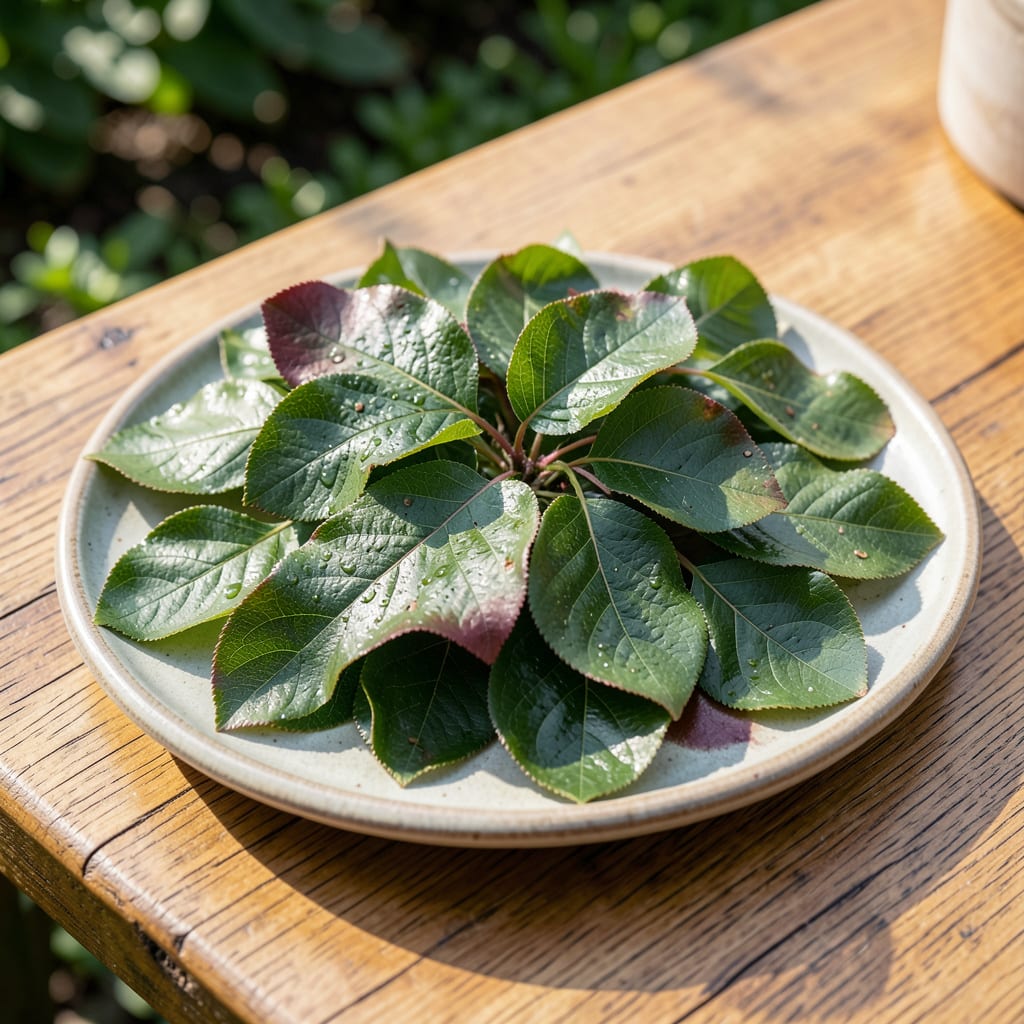
Yellow spots or curled edges on your sour cherry leaves aren’t just unsightly—they’re a cry for help. I’ve seen healthy trees turn distressed overnight from pests, fungi, or simple hunger.
Diagnosing the issue starts with a close look at the pattern and timing. A few adjustments to care or a natural spray can turn things around within weeks, restoring that glossy green you expect from a thriving tree.
📚 In This Guide
Here’s how I diagnose and treat the most common leaf problems on sour cherry trees.
Begin by examining the upper and lower surfaces of the leaves for any discoloration, spots, or unusual patterns. I look for yellowing between veins, which often indicates nutrient deficiencies, or dark brown lesions, which may point to fungal infections like leaf spot.
Check for curled or distorted leaves, which can signal pest activity such as aphids or cherry leaf roll virus. Note the distribution of symptoms—whether they appear on older leaves first or affect new growth uniformly. This helps narrow down the cause.
Sour cherry trees are susceptible to several fungal diseases, including brown rot and powdery mildew. Brown rot appears as tan to brown spots with a concentric ring pattern, while powdery mildew presents as a white, powdery coating on leaf surfaces.
Bacterial leaf spot causes small, water-soaked spots that turn brown and may have a yellow halo. If you see these symptoms, act quickly—bacterial infections can spread rapidly, especially in wet conditions. Remove and destroy affected leaves to prevent further contamination.
For fungal issues, improve air circulation by pruning dense branches and avoid overhead watering to reduce leaf wetness, which encourages fungal growth.
Aphids, scale insects, and spider mites are common pests that target sour cherry tree leaves. Aphids cluster on new growth and excrete a sticky substance called honeydew, which can lead to sooty mold. Scale insects appear as small, immobile bumps on stems and leaves.
Spider mites cause stippling or yellowing on leaves and fine webbing on the undersides. To confirm their presence, hold a white piece of paper under the leaves and tap them—if mites are present, they’ll appear as tiny moving dots.
Introduce beneficial insects like ladybugs or lacewings for aphid control, or use insecticidal soap for severe infestations. For scale and mites, horticultural oil applied during the dormant season can be effective.
Prevention is the best strategy for maintaining healthy sour cherry tree leaves. Start by ensuring the tree is planted in well-draining soil with access to full sun for at least 6-8 hours daily. Proper spacing between trees promotes air circulation, reducing humidity that favors disease.
Water at the base of the tree, keeping the leaves dry, and avoid late evening watering to allow foliage to dry before nightfall. Mulch around the base with organic material to retain moisture and suppress weeds, but keep mulch a few inches away from the trunk to prevent rot.
Apply a balanced fertilizer in early spring to support vigorous growth, but avoid over-fertilizing, which can lead to tender new growth that’s more susceptible to pests and diseases.
Consistent monitoring is key to catching issues early. I inspect my sour cherry trees at least once a week during the growing season, paying special attention to the undersides of leaves where pests and diseases often start.
Keep a garden journal to track symptoms, treatments, and results. This helps identify patterns and effective solutions over time. Prune out any diseased or infested branches immediately, sterilizing your tools with rubbing alcohol between cuts to prevent spreading pathogens.
Finally, clean up fallen leaves and debris around the tree in autumn to remove overwintering sites for pests and diseases. This simple step can significantly reduce problems in the following season.
Small details make a big difference in keeping your tree healthy and thriving.
Inspection Technique: When checking leaves in Step 1, use a hand lens or magnifying glass to spot early signs of trouble. I’ve found that morning inspections are best—dew makes symptoms like powdery mildew or honeydew more visible, and pests are often more active at this time.
Sunlight Strategy: The 6-8 hours of daily full sun mentioned in Step 4 is non-negotiable for vibrant foliage. If your tree isn’t getting enough light, thin out nearby branches or consider transplanting to a sunnier spot. Lack of sun weakens leaves, making them more susceptible to the very issues you’re trying to prevent.
Watering Wisdom: To build on Step 4’s advice, water deeply but infrequently—about 1-2 inches per week, depending on rainfall. The goal is to encourage deep root growth, which supports overall leaf health. Always water in the early morning so foliage dries quickly, reducing the risk of fungal infections.
Tool Sterilization: In Step 5, sterilizing tools with rubbing alcohol between cuts isn’t just a suggestion—it’s critical. I keep a spray bottle of alcohol handy during pruning sessions. Skipping this step can spread diseases from one branch to another, turning a small problem into a tree-wide issue.
Yes! Fresh or dried sour cherry tree leaves make a tart, aromatic tea. Steep 1-2 teaspoons of dried leaves in hot water for 5-10 minutes. Rich in antioxidants, it’s often used for relaxation or digestive support.
Harvest leaves in late spring or early summer when they’re young, vibrant green, and free from pests. Avoid picking after heavy rain or if the tree has been recently sprayed.
Yes! Try black cherry leaves, hibiscus, or rosehip for comparable tart flavors and health benefits. Each offers antioxidants and vitamin C, though flavors and potency may vary.
Yellowing leaves often signal overwatering, nutrient deficiencies (like nitrogen or iron), or poor drainage. Check soil moisture and fertility, and ensure the tree gets full sunlight.
