
Beautiful Plants For Your Interior
Beautiful Plants For Your Interior
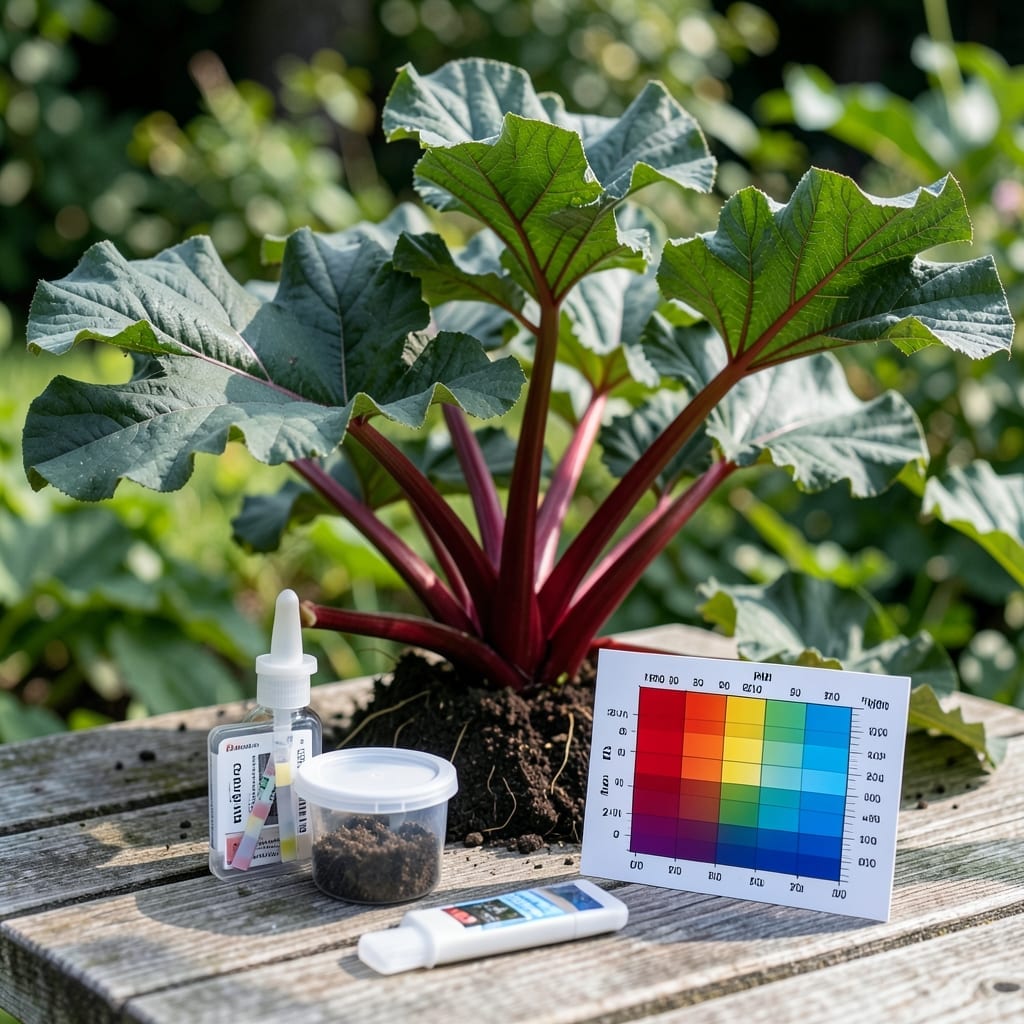
If your 🥬 Rhubarb patch isn’t producing those vibrant, tangy stalks you love, the soil might be to blame. Getting the pH right is often the overlooked game-changer for healthy growth.
I learned the hard way that even with perfect sunlight and watering, wrong pH levels can stunt your plants. The good news? Testing and adjusting it is simpler than you think.
Discover how to create the ideal conditions for your Rhubarb to thrive, from testing to easy adjustments that yield bountiful harvests season after season.
For rhubarb plants to thrive, the soil pH must be just right. I’ve found that 6.0 to 6.8 is the sweet spot for optimal growth. This slightly acidic range ensures your plants can absorb essential nutrients like nitrogen and phosphorus efficiently.
When the pH strays too far from this range, rhubarb struggles. Too acidic, and you might see yellowing leaves. Too alkaline, and the plant may exhibit stunted growth or weak stalks. Keeping it balanced is key for vibrant, healthy plants.
| Requirement | Specification |
|---|---|
| Ideal pH Range | 6.0 to 6.8 |
| Soil Type | Well-draining loam |
| Nutrient Uptake | Optimal in range |
| Signs of Imbalance | Yellow leaves, stunted growth |
In my experience, slightly acidic soil works best for rhubarb. This pH range mimics the natural conditions where rhubarb thrives, allowing it to develop strong roots and vibrant stalks. If your soil is too alkaline, adding organic matter can help bring it into balance.
I always recommend testing your soil before planting. A simple home pH test kit can give you a clear reading. If the pH is below 6.0, adding garden lime can raise it gradually. Conversely, if it’s above 6.8, elemental sulfur can lower it effectively.
Remember, rhubarb is a perennial, so the soil conditions you set now will impact your plants for years. It’s worth taking the time to get it right from the start. I’ve seen firsthand how a well-balanced pH leads to larger yields and healthier plants over time.
Another tip: mulching with compost can help maintain a stable pH. Compost not only adds nutrients but also buffers the soil, preventing drastic pH swings. It’s a simple step that can make a big difference in the long run.
If you’re unsure about your soil’s current pH, don’t guess. A professional soil test from your local extension office can provide detailed insights. They’ll often give you recommendations tailored to your specific soil type and region.
Finally, keep in mind that rhubarb prefers consistent moisture. While pH is crucial, it’s just one part of the equation. Pairing the right pH with proper watering and well-draining soil will set your rhubarb up for success. 🌱
With these steps, you’ll create the perfect environment for your rhubarb to grow strong and productive for years to come. It’s all about giving your plants the best start possible.
Testing your soil pH is the first step to ensuring your rhubarb plants have the right conditions. I always start with a home pH test kit, which is affordable and easy to use. These kits typically include a color-coded chart to match your soil sample results.
For more accuracy, consider sending a sample to your local extension office for a professional analysis. They’ll provide a detailed report, including recommendations for amending your soil to reach that ideal 6.0 to 6.8 range.
If your pH is too low, garden lime is a great option to raise it. I’ve found that applying 5-10 pounds per 100 square feet works well for most gardens. Work it into the top 6 inches of soil for best results.
For soil that’s too alkaline, elemental sulfur can help lower the pH. Follow the package instructions carefully, as too much can overshoot your target. I recommend applying it in small increments and retesting frequently.
Timing matters when adjusting pH. I prefer to amend the soil in early spring or fall, giving it time to stabilize before the growing season. This approach ensures your rhubarb plants start with the best possible conditions.
Remember, organic matter like compost can also help balance pH naturally. It’s a great way to improve soil health while gently adjusting its acidity or alkalinity. 🌱