
Beautiful Plants For Your Interior
Beautiful Plants For Your Interior
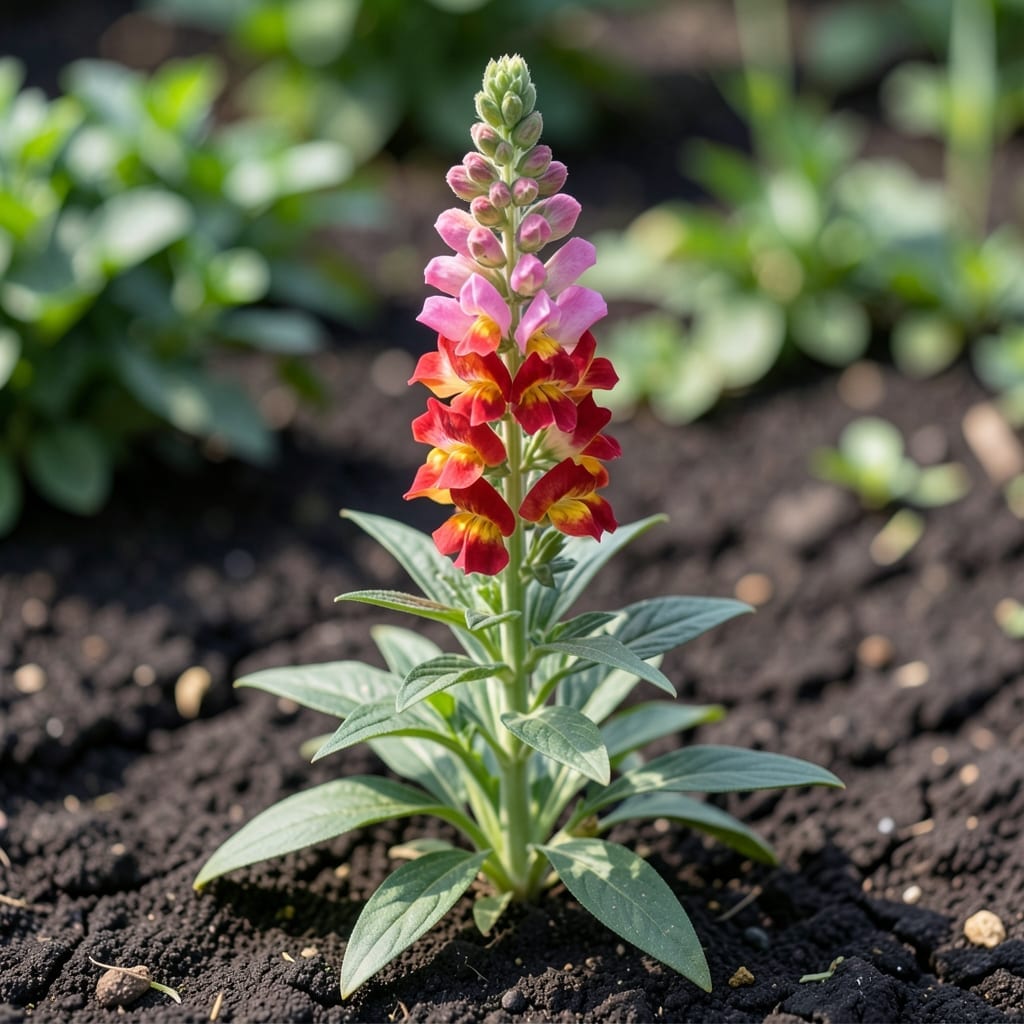
I remember the first time I planted Snapdragons 🌸 – their vibrant blooms transformed my garden. But here’s what I learned the hard way: their performance hinges on one critical factor.
Whether you give them full sun or partial shade can mean the difference between lackluster flowers and a spectacular display that lasts all season. It’s not just about survival; it’s about thriving.
Discover how to place your Snapdragons for the most stunning, long-lasting blooms. The right light exposure makes all the difference.
 Best Window Placement
I’ve found that Snapdragons perform best with 6+ hours of sun daily, but they can tolerate partial shade. The key is understanding their light preferences to maximize those stunning blooms.
In my experience, too little light leads to leggy growth and fewer flowers, while too much can scorch the leaves in hot climates. Balance is everything with these beauties.
| Requirement | Specification |
|---|---|
| Ideal Light | Full sun to partial shade |
| Minimum Sun | 4-6 hours daily |
| Best For Blooms | 6+ hours of sun |
| Shade Tolerance | Dappled shade in hot climates |
For the most vibrant blooms, I recommend planting Snapdragons where they’ll get morning sun and afternoon shade in warmer zones. This prevents heat stress while ensuring they photosynthesize enough.
In cooler climates, full sun is ideal. I’ve seen Snapdragons thrive in USDA zones 7-11 with all-day sun exposure. They just need consistent moisture to prevent wilting.
If your garden only offers shade, choose a spot with bright, indirect light. While they’ll grow, expect fewer flowers and taller, leggier stems as they stretch for light.
Watch for signs of stress. Yellowing leaves often mean too much sun, while sparse blooms and weak stems suggest insufficient light. Adjust their placement as needed.
For container gardens, I place my Snapdragons on a south-facing balcony where they get full morning sun. This mimics their natural preference for bright, direct light.
In my trials, dwarf varieties handle partial shade better than taller types. They’re more compact and don’t stretch as dramatically when light is limited.
Remember, well-draining soil pairs perfectly with proper light. Snapdragons hate soggy roots, so ensure their location offers both good light and drainage.
☀️I’ve noticed that light exposure dramatically impacts Snapdragon performance. Full sun produces the most vibrant blooms and compact growth, while shade often results in taller, leggier plants with fewer flowers.
The intensity and duration of light also influence color saturation. In my garden, Snapdragons in full sun develop deeper, richer hues compared to those in partial shade.
| Condition | Bloom Impact | Color Intensity |
|---|---|---|
| Full Sun | Abundant, continuous | Deep, vibrant |
| Partial Shade | Moderate, sporadic | Softer, muted |
| Full Shade | Sparse, delayed | Pale, washed out |
In hotter climates, I’ve found that afternoon shade prevents heat stress while still allowing for strong blooming. The flowers last longer when protected from scorching midday rays.
For maximizing bloom time, I recommend morning sun with shade during the hottest part of the day. This combination gives Snapdragons the light they need without the stress of intense heat.
If you’re stuck with a shady spot, choose lighter-colored varieties. In my experience, white and pastel Snapdragons perform better in low light than darker colors, which need more sun to develop their full richness.
I’ve also noticed that dwarf varieties bloom more consistently in partial shade than taller types. Their compact size means they don’t stretch as much when reaching for light.
☀️