
Beautiful Plants For Your Interior
Beautiful Plants For Your Interior
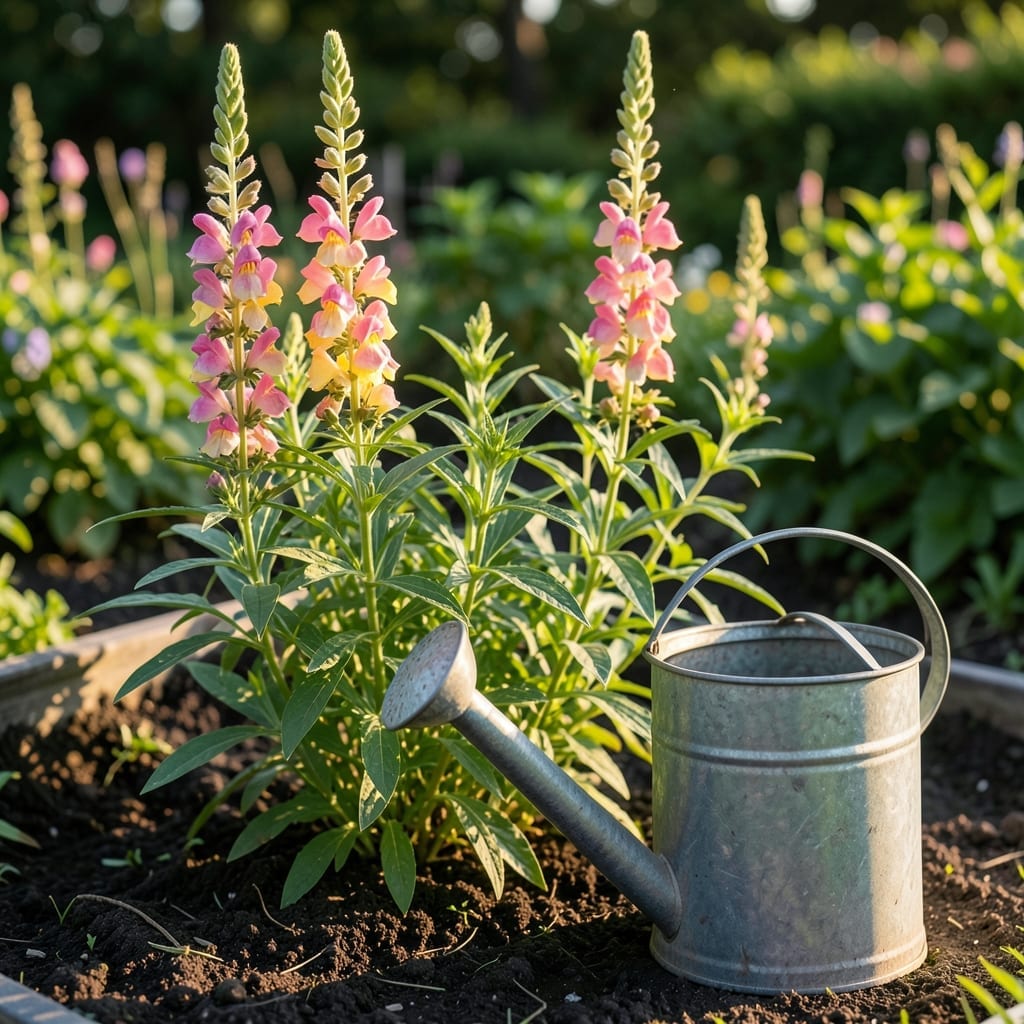
There’s something magical about watching 🌸 Snapdragons transform a garden with their towering spikes and vibrant colors. But here’s the catch – even the most beautiful blooms will struggle without the right watering approach.
Many gardeners assume these flowers need constant moisture, but that couldn’t be further from the truth. The key lies in finding that perfect balance between too much and too little.
I’ve learned through trial and error that Snapdragons thrive when you follow a simple, consistent routine. It’s not about daily watering – it’s about strategic timing and amounts.
Let me show you exactly how to keep your Snapdragons happy and blooming all season long with a watering schedule that actually works.
I’ve found that snapdragons thrive when their water needs match their growth stage. Seedlings demand consistent moisture, while mature plants prefer a balanced approach to encourage strong roots and vibrant blooms.
As a gardener, I focus on soil moisture and seasonal changes to adjust my watering routine. This ensures my snapdragons stay healthy and produce lush flowers throughout the growing season.
| Growth Stage | Water Requirement | Frequency |
| Seedlings | Keep soil moist | Daily |
| Mature Plants | 1 inch per week | Weekly |
| Flowering Stage | Consistent moisture | Every 5-7 days |
| Hot Climate | 1.5 inches per week | 2x Weekly |
| Cool Climate | 0.75 inches per week | Every 10 days |
For seedlings, I water lightly but daily to keep the soil evenly moist. This prevents the delicate roots from drying out while avoiding waterlogging, which can cause rot.
Once my snapdragons reach maturity, I switch to deep watering about once a week. This encourages the roots to grow deeper, making the plants more resilient during dry spells.
During the flowering stage, I pay close attention to soil moisture. I water every 5-7 days, ensuring the top inch of soil is dry before watering again to prevent over-saturation.
In hot climates, I increase watering to twice a week, providing about 1.5 inches of water. This helps combat evaporation and keeps the plants hydrated under the scorching sun.
For cool climates, I reduce watering to every 10 days, using about 0.75 inches of water. Overwatering in cooler temps can lead to root rot, so I always check soil moisture first.
I also adjust my watering based on soil type. Sandy soil drains quickly, so I water more frequently, while clay soil retains moisture longer, requiring less frequent watering.
Using mulch around my snapdragons helps retain soil moisture and reduces the need for constant watering. It’s a simple trick that makes a big difference in maintaining consistent hydration. 🌱
I see many gardeners struggle with snapdragon water requirements, often making simple but costly mistakes. Overwatering is the most common issue, leading to root rot and yellowing leaves. These plants prefer consistent moisture without soggy soil.
Underwatering can be just as damaging, causing wilted stems and poor flowering. I always check the top inch of soil before watering—if it’s dry, it’s time to hydrate. Timing matters too; morning watering prevents fungal growth.
⚠️ Avoid These Pitfalls
Watering at night invites fungal diseases, while shallow watering encourages weak root systems. Always water at the base of the plant, not the leaves.
Another mistake I notice is using cold water straight from the hose, which can shock the roots. I let my water sit for a few hours to reach room temperature first. This small step makes a big difference.
Snapdragons in containers need more frequent watering than those in the ground. I check my potted snapdragons every 2-3 days in hot weather, as containers dry out faster. Always ensure drainage holes are present.
If you see drooping flowers or brown leaf edges, it’s often a sign of inconsistent watering. I maintain a weekly schedule but adjust based on rainfall and temperature. Consistency is key for healthy snapdragons.
Finally, remember that mulching helps retain moisture and regulate soil temperature. I apply a 2-inch layer of organic mulch around my snapdragons to reduce water evaporation and suppress weeds. This simple practice saves time and water.