
Beautiful Plants For Your Interior
Beautiful Plants For Your Interior
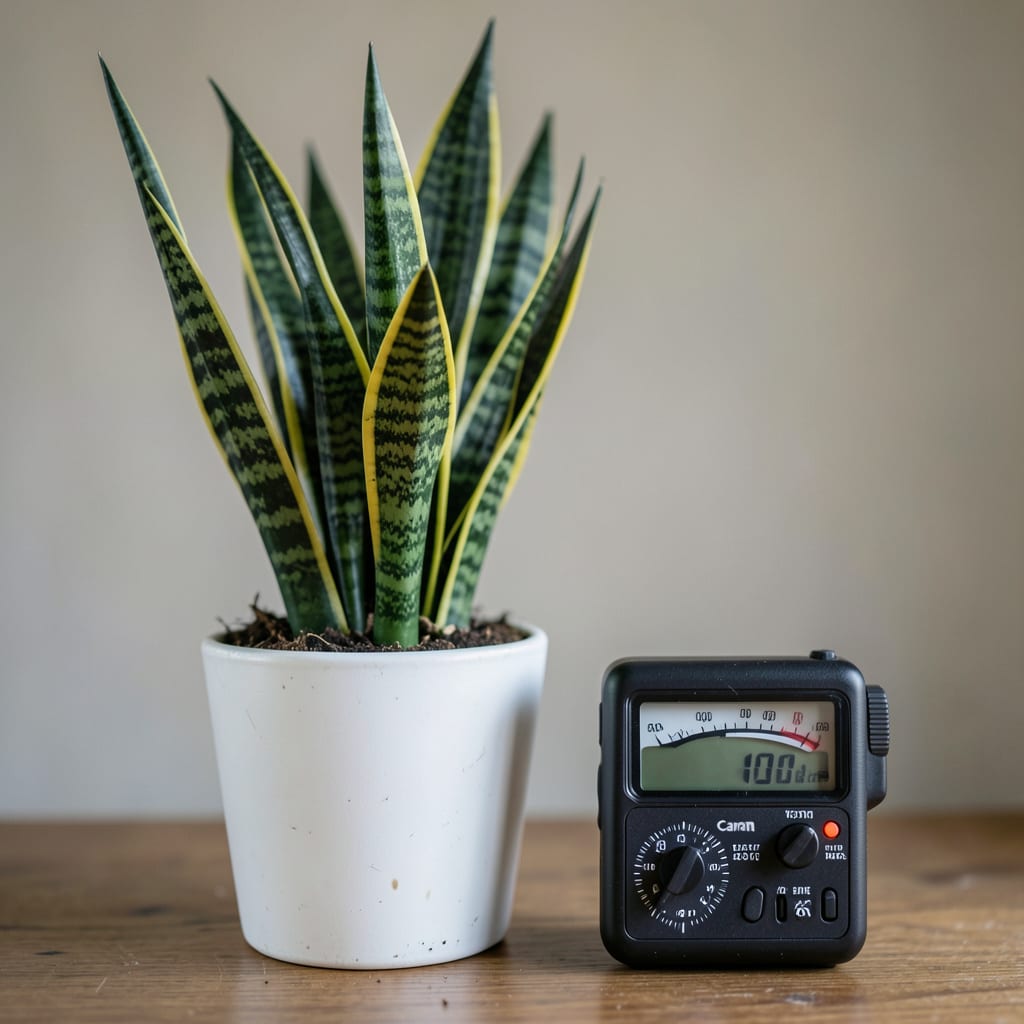
I’ve always been fascinated by the Snake Plant 🌿, known for its ability to thrive in various lighting conditions. Whether you’re a seasoned plant parent or just starting out, understanding its light requirements is key to keeping it healthy and vibrant.
From low to bright light, I’ll guide you through the optimal conditions for your Snake Plant to flourish in your home or office, particularly in USDA Zone 6. Let’s explore how to give it the right amount of light.
I’ve found that Snake Plants are incredibly adaptable when it comes to light conditions. They can thrive in various lighting setups, making them perfect for different spaces in your home or office. Whether you have a bright, sunny room or a dimly lit corner, your Snake Plant can adjust accordingly 🌿.
The key to their adaptability lies in their ability to photosynthesize efficiently even in low light conditions. This makes them an excellent choice for rooms with limited natural light. However, it’s essential to understand that while they can tolerate low light, they still require some light to maintain their health and promote growth 🔥.
It’s worth noting that Snake Plants are more forgiving than many other houseplants when it comes to light. They can survive in conditions that would cause other plants to struggle or perish. This makes them an ideal choice for busy people or those new to plant care 🌱.
When placing your Snake Plant, consider the direction of your windows. A north-facing window provides gentle, indirect light that’s perfect for these plants. If you only have south-facing windows, using a sheer curtain can help filter the intense sunlight and prevent damage to the leaves.
Snake Plants can also thrive under artificial lighting, making them suitable for offices or rooms without direct natural light. Fluorescent lights or LED grow lights can provide the necessary spectrum and intensity for healthy growth.
One of the benefits of Snake Plants is their ability to purify the air. They are known to remove toxins and improve indoor air quality, making them a healthy addition to any living or working space. This benefit is not directly related to light conditions but is an added advantage of having these plants in your environment.
To ensure your Snake Plant gets the right amount of light, observe its response to its current lighting conditions. If the leaves are stretching or becoming leggy, it may need more light. Conversely, if the leaves are scorched or discolored, it might be receiving too much direct sunlight 🔍.
Adjusting the light exposure for your Snake Plant is relatively straightforward. If you notice it’s not thriving in its current location, try moving it to a spot with more appropriate lighting. Remember, it’s always better to start with less light and gradually increase it, as it’s easier to add light than to reduce excessive light exposure.
In summary, while Snake Plants can tolerate a range of light conditions, they do best in medium to bright indirect light. By understanding and adjusting their light exposure, you can help your Snake Plant thrive and enjoy its many benefits 🌟.
For those looking to optimize their Snake Plant’s growth, consider using a light meter to measure the exact light levels in different areas of your home or office. This can help you pinpoint the ideal location for your plant.
Overall, the adaptability of Snake Plants to various light conditions is one of their most appealing characteristics. Whether you’re looking for a low-maintenance plant for a dim room or a decorative element for a brighter space, the Snake Plant is an excellent choice.
I recommend providing your Snake Plant with medium to bright indirect light for optimal growth. While they can tolerate low light conditions, their growth rate and overall health will be better in brighter environments 🌿.
A north-facing window is an ideal location, as it provides gentle, indirect light throughout the day. If this isn’t possible, an east- or west-facing window can also work well, as long as you filter the direct sunlight during peak hours 🔥.
For optimal growth, place your Snake Plant in a spot with 4-6 hours of indirect light daily. Monitor the plant’s response and adjust its location as needed.
When it comes to artificial lighting, Snake Plants can thrive under fluorescent or LED grow lights. These lighting options can supplement natural light or provide the necessary light in rooms without windows.
To determine if your Snake Plant is receiving the right amount of light, observe its leaves. If they’re stretching or becoming leggy, it may need more light. Conversely, if the leaves are scorched or discolored, it might be getting too much direct sunlight 🔍.
Adjusting the light for your Snake Plant is straightforward. If it’s not thriving, try moving it to a brighter location or supplementing with artificial light. Start with small changes and monitor the plant’s response to avoid over-correction.
In my experience, Snake Plants are quite forgiving when it comes to light. However, providing them with the right amount of light will enhance their growth and overall appearance 🌟.
For those who want to get precise, using a light meter can help measure the exact light levels in your space. This tool can guide you in finding the perfect spot for your Snake Plant.
Overall, understanding and meeting your Snake Plant’s light needs is crucial for its health and vitality. By providing the right conditions, you can enjoy the many benefits these plants offer.
When caring for Snake Plants, it’s essential to avoid common lighting mistakes that can impact their health and appearance. One of the most frequent errors is placing them in direct sunlight, which can cause the leaves to become scorched or discolored 🌿.
Another mistake is not providing enough light, leading to leggy growth or weak, spindly leaves. While Snake Plants can tolerate low light, they still need some light to photosynthesize and maintain their health 🔥.
Avoid placing your Snake Plant in direct sunlight, as it can cause damage to the leaves. Instead, opt for bright, indirect light for optimal growth and health.
To avoid these mistakes, observe your Snake Plant’s response to its lighting conditions. If the leaves are stretching or becoming leggy, it may need more light. Conversely, if the leaves are scorched or discolored, it might be receiving too much direct sunlight 🔍.
Adjusting the light exposure for your Snake Plant is relatively straightforward. If you notice it’s not thriving in its current location, try moving it to a spot with more appropriate lighting. Remember, it’s always better to start with less light and gradually increase it, as it’s easier to add light than to reduce excessive light exposure.
By being mindful of these common lighting mistakes, you can help your Snake Plant thrive and enjoy its many benefits, from air purification to aesthetic appeal 🌟.
In summary, providing the right amount of light is crucial for the health and vitality of your Snake Plant. By understanding their light requirements and avoiding common mistakes, you can create an optimal environment for your plant to flourish.
Snake Plants thrive in medium to bright indirect light. A north-facing window is ideal, providing gentle light throughout the day. This promotes healthy growth and maintains their vibrant appearance .
Yes, Snake Plants can tolerate low light conditions, making them perfect for rooms with limited natural light. However, their growth rate may slow down, and they may not be as vibrant .
Snake Plants can be damaged by direct sunlight, which can cause leaf scorch. It’s best to filter direct sunlight with a sheer curtain, especially during peak hours, to prevent damage .
Yes, Snake Plants can thrive under artificial lighting, such as fluorescent or LED grow lights. These can supplement natural light or provide the necessary light in rooms without windows, ensuring optimal growth .
