
Beautiful Plants For Your Interior
Beautiful Plants For Your Interior
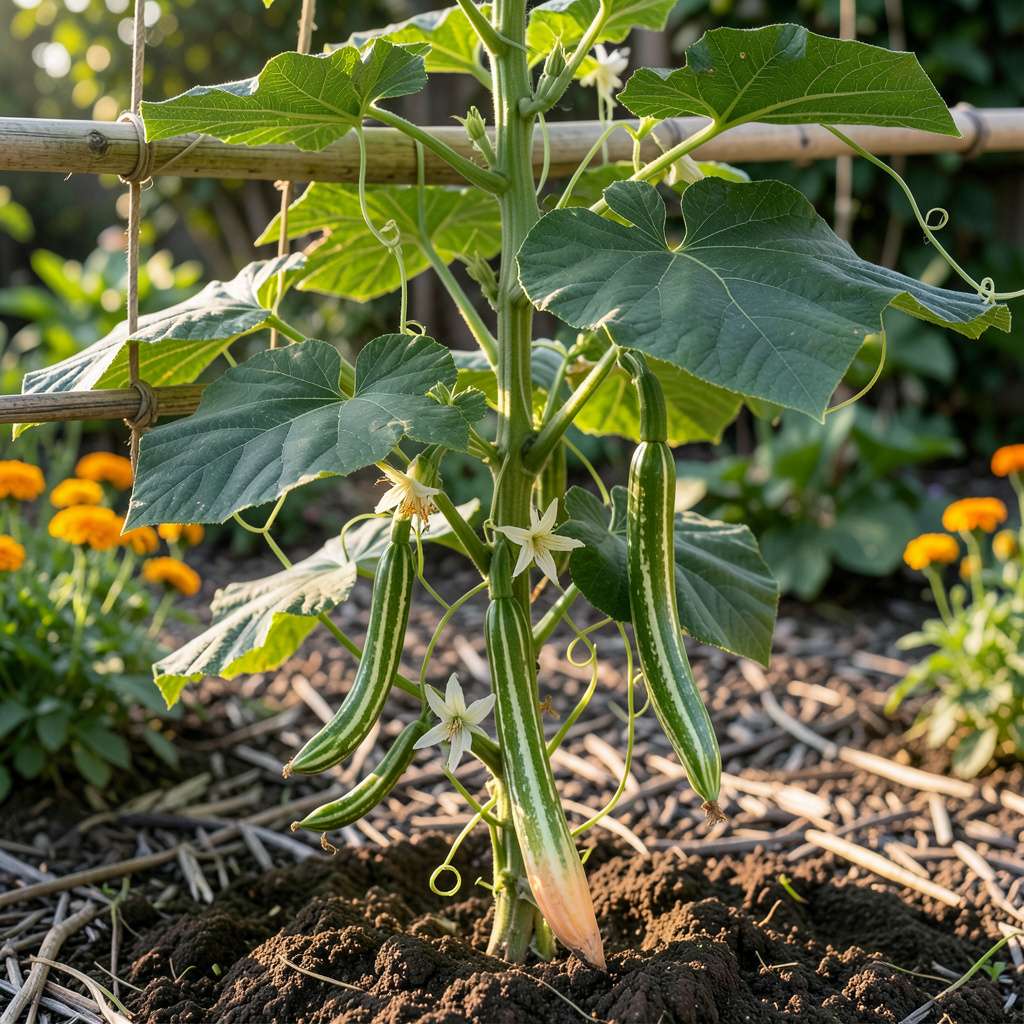
Snake gourd shines in stir-fries, curries, and soups thanks to its mild, slightly sweet flavor and tender texture when cooked. Try it sautéed with garlic and spices, stuffed with seasoned fillings, or blended into chutneys for a refreshing twist.
This slender green vegetable is a hidden gem in many Asian kitchens because it soaks up flavors like a sponge while keeping its delicate crunch. 🔥 I love how it transforms in different dishes—when stir-fried, it develops a subtle nutty edge, but in curries, it becomes almost buttery as it absorbs aromatic spices. The real magic happens when you pair it with bold ingredients like mustard seeds or coconut milk, where its mildness creates perfect balance. What’s even better? Its high water content means it cooks quickly, making it ideal for fast weeknight meals.
💡 In This Article
The secret to snake gourd’s culinary versatility lies in its 92% water content and delicate cell structure. Unlike fibrous vegetables, its flesh breaks down quickly when exposed to heat, transforming from crisp to silky in just 3-5 minutes of cooking.
This rapid softening makes it perfect for quick stir-fries where you want tender pieces without mushiness. The vegetable’s thin skin (only 1-2mm thick) means it doesn’t require peeling for most dishes, saving prep time while maintaining texture.
What truly sets snake gourd apart is its neutral pH (6.5-7.0), which allows it to absorb flavors like a culinary sponge. When sautéed with garlic and chili, it takes on a subtle heat that lingers pleasantly. In coconut-based curries, its porous flesh soaks up the rich sauce, becoming almost creamy.
I’ve found it works particularly well with umami-rich ingredients like fermented fish sauce or dried shrimp, where its mildness lets those deep flavors shine without competition. ✨
The vegetable’s texture changes dramatically with cooking methods. Raw, it offers a refreshing crunch similar to cucumber but with a slightly firmer bite. Lightly steamed (2-3 minutes), it becomes tender while retaining structure—ideal for salads.
When braised for 15-20 minutes in curries, the flesh practically melts, creating a luxurious mouthfeel that contrasts beautifully with heartier ingredients like potatoes or chickpeas.
Chefs in South India often compare snake gourd to zucchini, but with two key advantages: it holds its shape better at high temperatures, and its flavor is more subtle. This makes it the perfect canvas for complex spice blends.
In Thai cuisine, its ability to absorb coconut milk and lemongrass flavors without overpowering them has earned it a place in many classic recipes. The vegetable’s natural sweetness (about 2.5g sugar per 100g) also means it balances spicy dishes beautifully.
Nutritionally, snake gourd brings more to the table than just texture. It contains 1.5g fiber per 100g and notable amounts of vitamin C, making it both a flavor enhancer and a health booster. The seeds, when young and tender, can be cooked along with the flesh, adding a pleasant nutty note.
This combination of culinary flexibility and nutritional benefits explains why it appears in everything from quick weekday meals to elaborate festival dishes across Asia. 💫
One pro tip I’ve learned: the younger the gourd, the more tender and flavorful it will be. Look for specimens under 12 inches long with smooth, unblemished skin. These will have the best texture and require minimal cooking time.
The vegetable’s rapid growth cycle (harvest-ready in 60-70 days) means you can often find perfectly fresh specimens at local markets, which makes all the difference in dishes where texture is key.
Look for firm, bright green gourds under 12 inches long with smooth skin. Avoid any with soft spots or wrinkles. The stem end should feel slightly springy when pressed gently. Younger, smaller ones are more tender and flavorful.
Most recipes don’t require peeling since the skin is thin (1-2mm) and edible. For stuffed dishes or when texture matters, use a vegetable peeler. Always wash thoroughly first—the ridges can trap dirt. The skin adds nice color and nutrients.
Bitterness comes from overripe gourds or the seeds. Always taste a tiny piece raw first. If bitter, soak slices in salted water for 15 minutes before cooking. Remove seeds from mature gourds—they’re the main culprit. Younger gourds are naturally sweeter.
Yes, when young and tender! Rinse white seeds from small gourds and cook them with the flesh. They add a pleasant nutty flavor. In larger gourds, discard the mature brown seeds—they become tough and bitter.
Cooked dishes keep 3-4 days refrigerated in airtight containers. Raw gourd stays fresh 5-7 days wrapped in paper towels in the fridge. For longer storage, blanch slices 2 minutes, cool, and freeze up to 3 months.
