
Beautiful Plants For Your Interior
Beautiful Plants For Your Interior
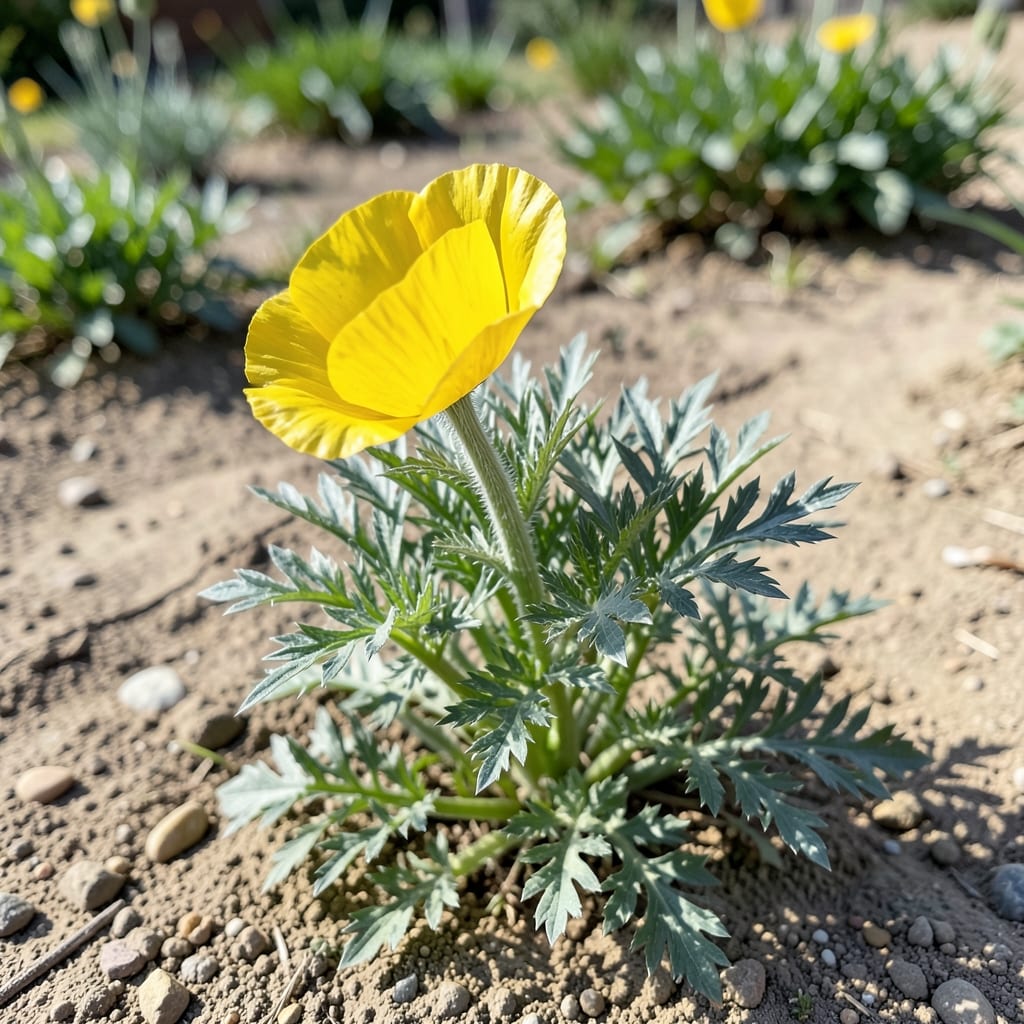
These bright little flowers changed my garden last spring. 🌟 Small yellow poppies bring cheerful color without demanding much in return—just the right spot and a little attention.
I planted mine in well-drained soil with full sun, and they thrived with minimal effort. They’re drought-tolerant once established, but they’ll reward you with more blooms if you keep the soil lightly moist during dry spells.
The best part? They self-seed easily, so you’ll get a new wave of color next year with zero work. Just thin the seedlings in early spring to give them room to shine.
Perfect for borders, wildflower patches, or even containers. They’re as low-maintenance as they are beautiful.
The small yellow poppy (Eschscholzia californica), while hardy, can face issues that stunt its growth or vibrancy. Here’s why these problems happen and the science behind them.
This plant thrives in well-draining, sandy, or loamy soil with a pH of 6.0–7.5. Compacted or clay-heavy soil restricts root development, leading to stunted growth and fewer blooms. Waterlogging from poor drainage can also cause root rot, as the fungus Phytophthora thrives in soggy conditions.
Small yellow poppies are full-sun plants, requiring 6–8 hours of direct sunlight daily. Inadequate light disrupts photosynthesis, reducing chlorophyll production. This weakens the plant, leading to pale, sparse foliage and fewer flowers. Shade from taller plants or structures is often the culprit.
While drought-tolerant once established, inconsistent watering can stress the plant. Overwatering suffocates roots and promotes fungal diseases, while underwatering causes wilting and premature flower drop. The ideal approach: water deeply but infrequently, allowing the top inch of soil to dry between waterings.
Aphids and spider mites are common pests that sap nutrients from the poppy’s leaves and stems. Aphids excrete honeydew, a sticky substance that attracts sooty mold, further hindering growth. Regular inspection and neem oil or insecticidal soap applications can mitigate these issues.
If your small yellow poppies are struggling, the right fixes can bring them back to their vibrant best. Here’s how to tackle common problems with practical, garden-tested solutions.
This often signals overwatering or poor drainage. Let the soil dry out slightly between waterings, and ensure pots have drainage holes. For garden beds, mix in compost to improve soil structure. Prevention tip: 💡 Water at the base in the morning to avoid fungal growth.
Aphids and slugs love tender poppy leaves. For aphids, spray a mild soap-water solution (1 tsp dish soap per liter of water) directly on the pests. For slugs, set up beer traps or use organic slug pellets. Prevention tip: 🎯 Encourage natural predators like ladybugs by planting companion flowers like marigolds.
Small yellow poppies are hardy but can suffer in late frosts. Cover young plants with frost cloth or a light blanket overnight. If damage occurs, trim back dead foliage to encourage new growth. Prevention tip: ✨ Plant after the last frost date for your region.
Powdery mildew or root rot often appears in humid conditions. Remove affected leaves and improve airflow around plants. For root rot, reduce watering and repot in fresh, well-draining soil. Prevention tip: 🌡️ Space plants properly and avoid overhead watering.
With these targeted fixes, your small yellow poppies will thrive with minimal fuss. Keep an eye on their needs, and they’ll reward you with cheerful blooms!
They thrive with 6–8 hours of direct sunlight. Without enough light, they may produce fewer blooms and weaker stems.
Use well-draining, sandy, or loamy soil with a pH of 6.0–7.5. Avoid heavy clay, which can cause root rot.
Plant after the last frost date in your region. This ensures young plants avoid cold damage.
Water deeply but infrequently, letting the top inch of soil dry between waterings. Overwatering can lead to fungal issues.