
Beautiful Plants For Your Interior
Beautiful Plants For Your Interior
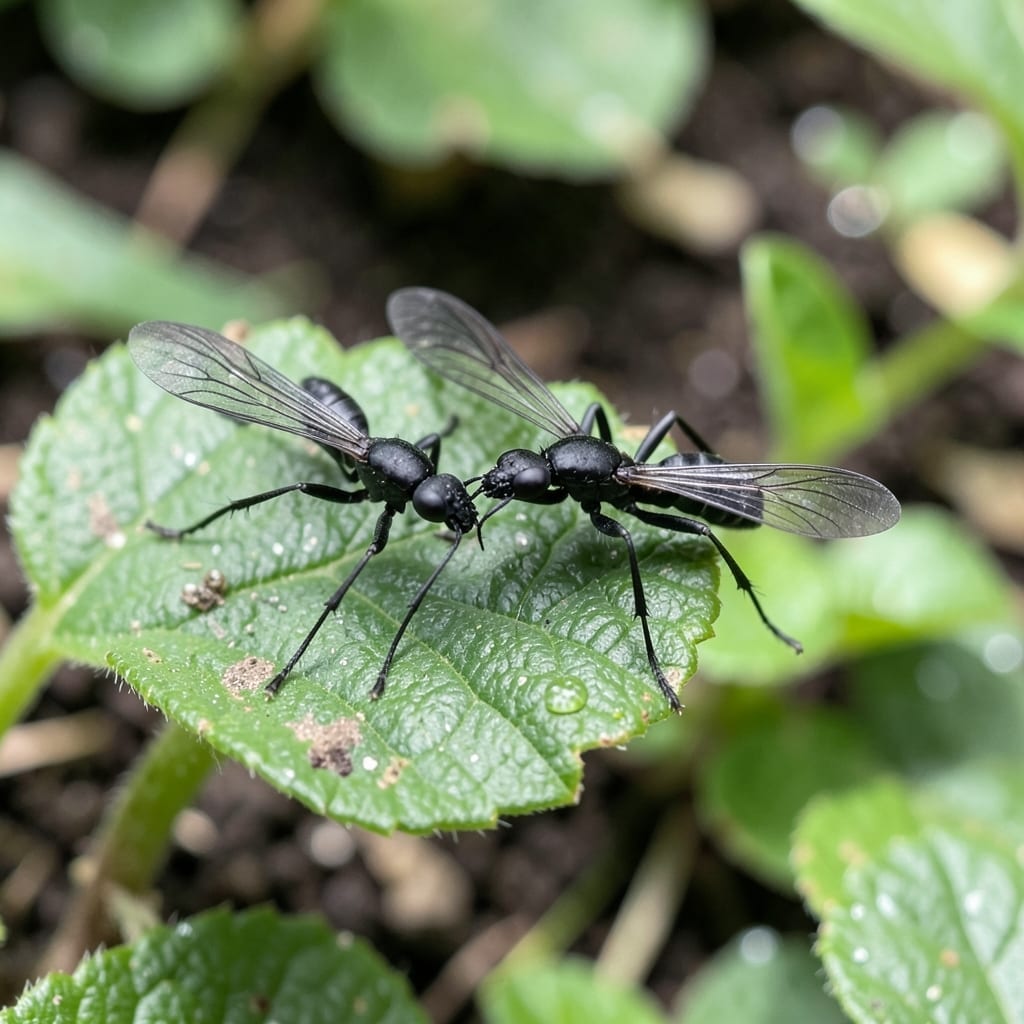
Tiny winged invaders on your plants? I spotted these on my roses last summer and panicked. Turns out they’re aphids in their reproductive stage, not ants at all.
They cluster on new growth and leaf undersides, sucking plant juices. Left unchecked, they’ll curl leaves and stunt growth. The good news: they’re easy to control with early action.
Organic sprays work fast, but prevention is better. A strong blast of water dislodges many, and ladybugs will eat the rest if you give them a chance.
Your plants can recover fully with the right approach. Here’s how to spot them and stop the damage.
Small winged ant-like bugs, often winged aphids, termites, or swarming ants, appear in gardens for specific environmental and biological reasons. Understanding these triggers helps you address the root cause and prevent future infestations.
Many winged insects, like reproductive ants or termites, emerge during warm, humid seasons (spring/summer) to mate and establish new colonies. This is a natural part of their life cycle, but damp soil or decaying wood in your garden can accelerate the process.
Stressed plants release chemical signals that attract sap-sucking pests like winged aphids. Overwatering, poor drainage, or nutrient deficiencies weaken plants, making them prime targets. Check for yellowing leaves or moldy soil as warning signs.
Winged termites and carpenter ants thrive in damp, rotting wood or mulch piles. Leaky irrigation, improper compost storage, or untreated wooden structures create ideal breeding grounds. Remove decaying organic matter and improve airflow to deter them.
An imbalance in your garden’s ecosystem—such as fewer ladybugs, lacewings, or birds—allows winged pest populations to explode. Introduce beneficial insects or avoid broad-spectrum pesticides to restore natural controls.
Addressing these triggers—seasonal timing, plant health, moisture control, and predator balance—reduces the likelihood of recurring infestations.
Dealing with small winged ant-like bugs in your garden or home? Here’s how to tackle each cause with simple, effective fixes.
If excess moisture is attracting these pests, let the soil dry out between waterings. Use pots with drainage holes and add a layer of gravel to prevent waterlogging. Pro tip: 💡 Stick your finger an inch into the soil—if it feels damp, hold off on watering.
Clear away leaf litter, fallen fruit, or rotting plant material where these bugs thrive. Keep compost bins sealed and far from your garden. Prevention: Regularly clean up plant debris to discourage future infestations.
Inspect windows, doors, and foundation cracks for tiny entry points. Seal gaps with caulk or weatherstripping. For indoor plants, place a layer of diatomaceous earth on the soil surface to deter crawling pests. Pro tip: ✨ Reapply after rain or watering.
Encourage ladybugs, lacewings, or parasitic wasps—natural enemies of these bugs. Plant pollinator-friendly flowers like marigolds or alyssum to attract them. Avoid broad-spectrum pesticides that harm helpful insects.
Prevention: Maintain a diverse garden ecosystem to keep pest populations in check long-term.
Yes, winged aphids can damage plants by sucking sap from leaves and stems. This weakens the plant and can cause stunted growth or curled leaves if left untreated.
Winged aphids have a softer, more rounded body and clear wings, while winged ants have elbowed antennae and a distinct waist. Aphids cluster on new growth, while ants often move in trails.
Yes! Mix 1 tablespoon of mild dish soap with 1 quart of water and spray directly on the bugs. This breaks down their protective coating and kills them without harsh chemicals.
They often emerge during warm, humid weather when reproductive adults take flight to mate and spread. Overwatering or stressed plants can also trigger their appearance.