
Beautiful Plants For Your Interior
Beautiful Plants For Your Interior
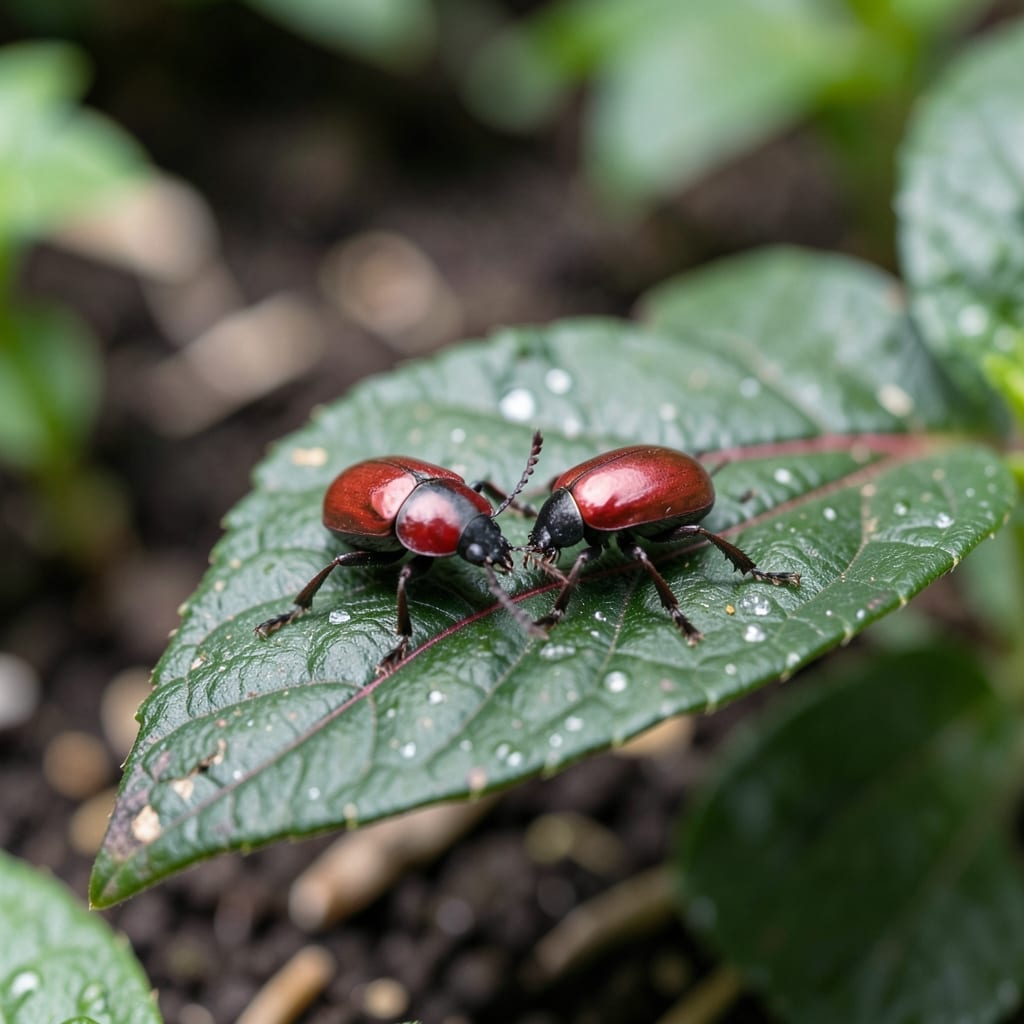
I noticed the tiny red beetles first on my windowsill, then crawling across the kitchen floor. They’re small, fast, and surprisingly persistent—but I’ve found the exact way to identify and eliminate them for good.
These pests usually enter homes looking for moisture or food, often hitching a ride on plants or firewood. The good news? They’re not dangerous, just annoying. A few simple steps can stop them in their tracks.
You’ll learn to spot their hiding spots, cut off their entry points, and use safe, effective methods to remove them. No harsh chemicals needed—just smart, targeted action.
Works for apartments, houses, or anywhere these little invaders appear. Here’s how to take back your space.
Small red beetles often find their way into homes for specific, preventable reasons. Understanding these triggers can help you address the root cause and keep them out for good.
Many red beetles, like carpet beetles or drugstore beetles, thrive in damp environments. Leaky pipes, poorly ventilated basements, or even excess humidity from shower steam can attract them. These insects seek moisture to survive and reproduce, making your home an ideal habitat if conditions are right.
Red beetles are often drawn indoors by accessible food. Pantry pests (e.g., red flour beetles) target grains, flour, cereals, and pet food left in original packaging. Even crumbs in cabinets or spills behind appliances can sustain an infestation. Sealing food in airtight containers and cleaning storage areas regularly removes their primary motivation to enter.
Cracks in foundations, gaps around windows, or torn screens provide easy access for beetles like ladybugs or soldier beetles. These species may wander inside while searching for shelter, especially during seasonal changes. Sealing entry points with caulk or weatherstripping and installing door sweeps can block their path.
Some red beetles, such as powderpost beetles, infest wood, fabric, or wool. Old furniture, hardwood floors, or stored textiles (like blankets or rugs) can harbor larvae. Regularly inspecting wooden items and using cedar or mothballs in storage areas can deter these pests.
By targeting these four key factors—moisture, food, entry points, and materials—you can significantly reduce the likelihood of a beetle invasion.
Small red beetles in your home can be a nuisance, but they’re often easy to control with the right approach. Below are targeted solutions based on the most common causes, along with prevention tips to keep them from returning.
If beetles are sneaking in through cracks or gaps, use caulk to seal windows, doors, and foundation openings. Pay special attention to areas where pipes or wires enter the house. Install door sweeps and repair torn screens to block their entry.
Prevention tip: Inspect your home’s exterior annually for new gaps, especially before summer. 💡
Many red beetles, like ladybugs or soldier beetles, are drawn to indoor plants or garden foliage near entry points. Move houseplants away from doors and windows, and ensure outdoor vegetation is trimmed back from the house. If they’re already inside, gently vacuum them up (then dispose of the bag outside).
Prevention tip: Use fine mesh netting over vents or open windows if you keep plants nearby. 🌿
Beetles often infest pantries or kitchens where they find grains, flour, or pet food. Store dry goods in airtight containers and regularly check for expired items. Wipe down shelves with vinegar to remove scent trails that attract them.
Prevention tip: Clean up spills immediately and take out trash frequently to avoid odors. ✨
Damp areas like basements, bathrooms, or under sinks can attract moisture-loving beetles. Use a dehumidifier in humid spaces, fix leaky pipes, and ensure proper ventilation. For persistent issues, consider moisture-absorbing products like silica gel.
Prevention tip: Run exhaust fans during and after showers to reduce humidity. 🌡️
For severe infestations, consider natural predators like diatomaceous earth (food-grade) or professional pest control. Always start with the simplest, least toxic methods first!
No, most small red beetles found indoors are not harmful. They don’t bite, sting, or spread diseases. However, some species like red flour beetles can contaminate food. Keep pets away from them to prevent accidental ingestion.
They gather in groups due to pheromones or shared attraction to food, moisture, or warmth. Ladybugs and soldier beetles often cluster near windows or light sources, especially during seasonal transitions.
Seal entry points, store food in airtight containers, and reduce moisture with dehumidifiers. Regularly clean pantries and inspect plants near entryways. Prevention is simpler than elimination!
Vacuum them up immediately and dispose of the bag outside. For pantry infestations, discard contaminated food and wipe shelves with vinegar. This removes scent trails that attract more.