
Beautiful Plants For Your Interior
Beautiful Plants For Your Interior
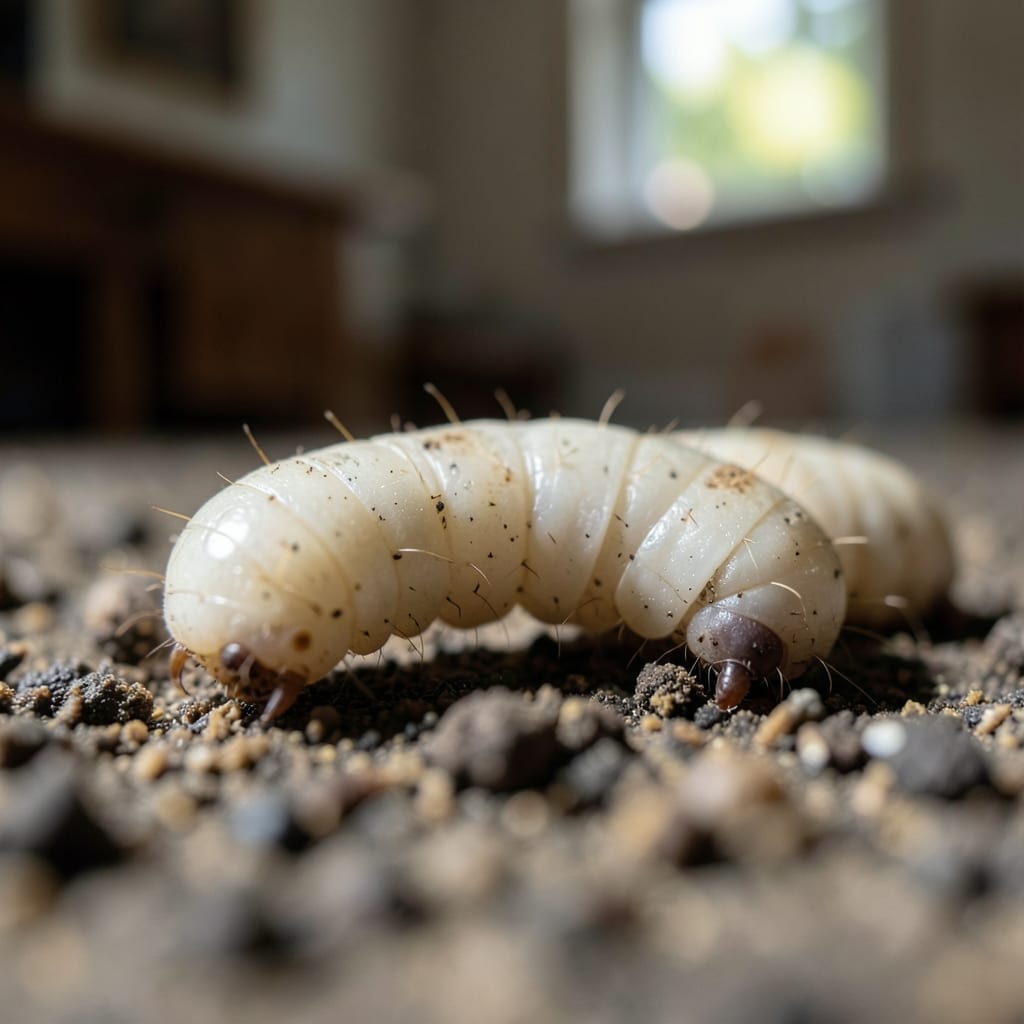
I found my first house grub under the kitchen sink last spring. Tiny, white, and wriggling—definitely not a guest I invited in.
These pests usually hitch a ride on potted plants or sneak in through cracks. They’re harmless but unsettling, and they multiply fast if you ignore them. The good news? You can spot and stop them before they spread.
With a little vigilance and the right approach, you’ll clear them out within days. No harsh chemicals needed—just simple, targeted solutions that work.
Works for apartments, houses, and even garages. Here’s how to handle it.
Small grubs in your home often trace back to a few common causes. Understanding these can help you address the root of the problem effectively.
Grubs thrive in damp environments. Leaky pipes, poor ventilation, or high humidity levels can create ideal conditions for eggs to hatch. Beetles and moths, common grub parents, lay eggs in moist areas like basements, bathrooms, or under sinks. Fixing leaks and using dehumidifiers can deter them.
Grubs are attracted to organic matter. Pantry moths or beetles may infest stored grains, pet food, or even decaying plant material. Sealing food in airtight containers and regularly cleaning storage areas removes their food supply, making your home less inviting.
Grubs often enter homes as larvae from outdoor soil or mulch. Cracks in foundations, gaps around doors, or open windows can serve as entryways. Sealing these openings and maintaining a clean yard (especially near entry points) reduces the risk of infestation.
If adult beetles or moths are already present, they may lay eggs indoors, leading to a grub problem. Regular pest control measures, like traps or natural predators (e.g., nematodes for outdoor grubs), can break the life cycle before grubs emerge.
Tackling small grubs in your home starts with identifying the root cause and applying targeted solutions. Below are practical fixes for common scenarios, paired with prevention tips to keep them from returning.
Grubs thrive in damp environments. Fix leaky pipes, use a dehumidifier in basements or crawl spaces, and ensure proper ventilation in bathrooms and kitchens. Pro tip: Seal cracks in walls or floors where moisture accumulates to block entry points. 💡
Store dry goods (flour, cereal, pet food) in airtight containers and clean up spills or crumbs immediately. Take out trash regularly and keep compost bins sealed. Pro tip: Vacuum pantries and shelves weekly to remove hidden eggs or larvae. ✨
Grubs often breed in decaying plant matter or wood. Remove piles of leaves, mulch, or old firewood near your home’s foundation. Pro tip: Inspect houseplants—repot any with grubs in the soil and discard infested potting mix. 🌡️
For visible grubs, diatomaceous earth (food-grade) or neem oil can dehydrate and kill them without harsh chemicals. Apply in cracks, under appliances, or along baseboards. For severe cases, use insect growth regulators (IGRs) to disrupt their life cycle. Pro tip: Wear gloves when handling treatments. 🎯
Prevention is key: Regularly inspect dark, undisturbed areas (under sinks, behind furniture) and maintain a clean, dry home to deter future grubs.
No, they don’t bite, sting, or spread disease. They’re mostly a nuisance and sign of a pest issue. Wash hands after handling them to avoid irritation.
Check damp areas like under sinks, basements, or near houseplants. Look for clusters or trails leading to food sources. A flashlight helps spot them in dark corners.
Vinegar can kill grubs on contact, but it’s not a long-term fix. For better results, use diatomaceous earth or neem oil in infested areas. Always test on a small surface first.
Unlikely. Without treatment, they’ll keep multiplying. Address moisture, food sources, and entry points to break their life cycle and prevent recurrence.