
Beautiful Plants For Your Interior
Beautiful Plants For Your Interior
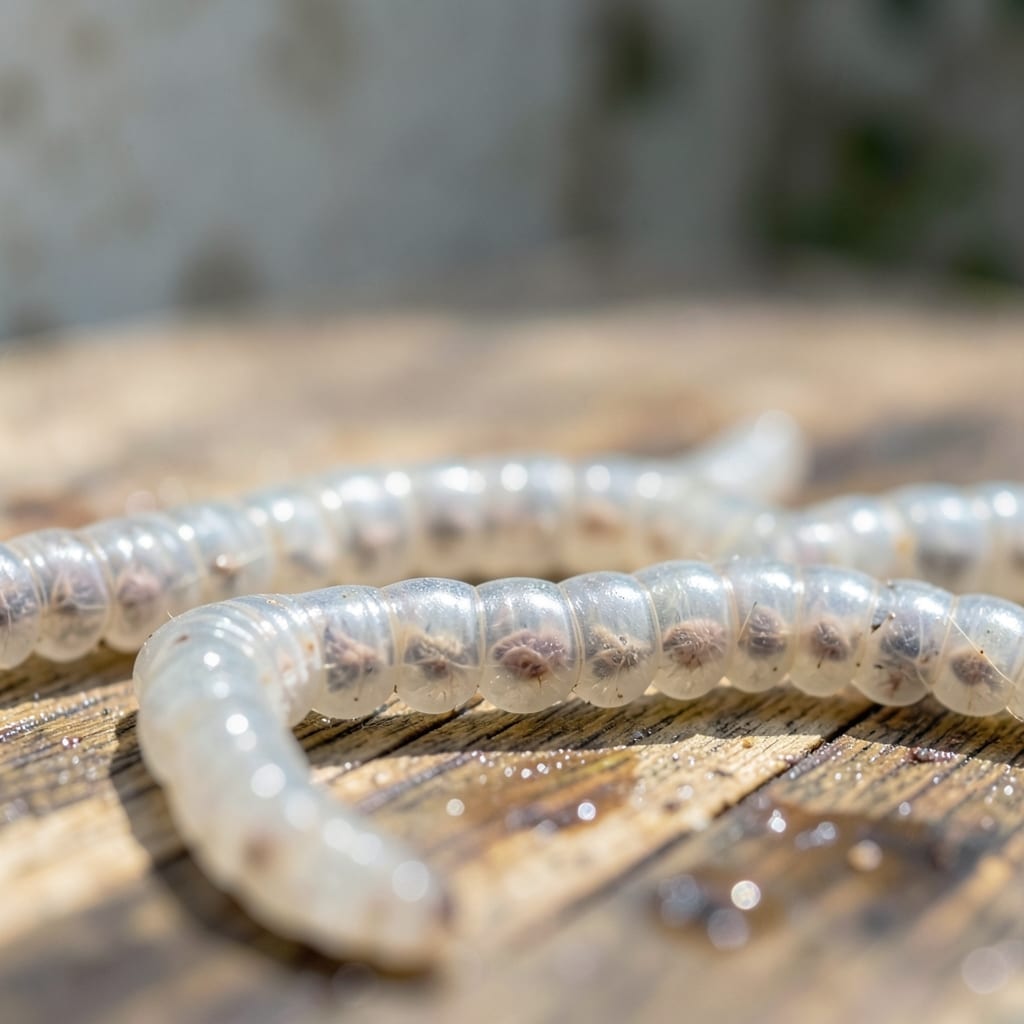
I spotted them first in my kitchen—tiny, translucent worms wriggling across the floor. 🌱 Turns out, these small clear pests are often fungus gnat larvae or drain fly maggots, both thriving in damp, organic-rich spots we overlook.
Here’s the thing—they’re not just gross; they signal a moisture or decay issue hiding in plain sight. I traced mine to an overwatered houseplant and a rarely-used sink drain. Simple fixes, but easy to miss until they multiply.
Natural removal starts with eliminating their breeding grounds. A vinegar-and-baking-soda flush for drains and letting plant soil dry out between waterings stops them fast. No harsh chemicals needed.
Within 48 hours, you’ll see fewer worms as their habitat disappears. Consistency is key—keep areas dry and clean to prevent their return. This works for kitchens, bathrooms, or any damp indoor space.
Small, clear worms in your home are often the larval stage of common household pests. These unwelcome guests thrive in specific conditions, and understanding their origins is key to prevention and removal.
Fruit flies, drain flies, or pantry moths lay eggs in decaying organic matter. Overripe fruits, unsealed garbage, or spilled liquids provide ideal breeding grounds. The larvae (small clear worms) hatch and feed on these materials, often in kitchens or trash areas.
Damp environments like leaky pipes, wet sponges, or clogged drains create perfect habitats for worm-like larvae. Drain fly larvae, for example, thrive in the slimy buildup of organic debris in sinks or shower drains.
Overwatered houseplants can harbor fungus gnat larvae, which appear as tiny, translucent worms in the soil. These pests feed on decaying plant matter and proliferate in consistently moist potting mix.
Pantry pests like Indian meal moths or flour beetles may introduce larvae into stored grains, flour, or pet food. If these items aren’t sealed properly, the larvae can escape and wander, appearing as small clear worms in your home.
Dealing with small clear worms in your home can be unsettling, but these solutions will help you tackle the issue effectively. Below are targeted fixes based on common causes, along with prevention tips to keep them from returning.
If the worms are in your kitchen or pantry, they’re likely feeding on stored grains, flour, or pet food. Discard any infested items in sealed bags. Clean shelves with vinegar or soapy water to remove eggs and larvae. Store dry goods in airtight containers to prevent future infestations.
💡 Pro tip: Regularly check expiration dates and rotate stock to avoid old, forgotten food attracting pests.
Clear worms thrive in damp areas like under sinks or basements. Fix leaks promptly and use a dehumidifier in humid spaces. Wipe down surfaces to eliminate standing water. Ensure crawl spaces and attics are properly ventilated to reduce moisture buildup.
For a chemical-free approach, use diatomaceous earth (food-grade) in cracks and crevices where worms may hide. Sprinkle lightly, let it sit for a few hours, then vacuum. Essential oils like peppermint or tea tree can also deter pests—mix a few drops with water and spray along baseboards and entry points.
Vacuum carpets, rugs, and upholstery thoroughly to remove eggs or larvae. Wash bedding, curtains, and fabric items in hot water. Pay extra attention to dark, undisturbed corners where worms may lurk.
🎯 Prevention: Keep your home clean, dry, and well-sealed. Inspect grocery bags and secondhand items for signs of pests before bringing them inside.
No, these larvae don’t bite or transmit diseases. They’re mostly a nuisance and indicate a cleanliness issue. However, avoid touching them directly for hygiene reasons.
Check the soil surface for tiny, translucent worms. If the soil stays damp or smells musty, it’s likely harboring fungus gnat larvae. Let the soil dry between waterings.
Bleach can kill larvae but may damage pipes over time. A safer option is a vinegar-and-baking-soda flush weekly. Pour 1 cup of each down the drain, let sit for 10 minutes, then rinse.
With consistent cleaning and moisture control, you should see fewer worms within 2-3 days. Full elimination may take up to 2 weeks as remaining eggs hatch.