
Beautiful Plants For Your Interior
Beautiful Plants For Your Interior
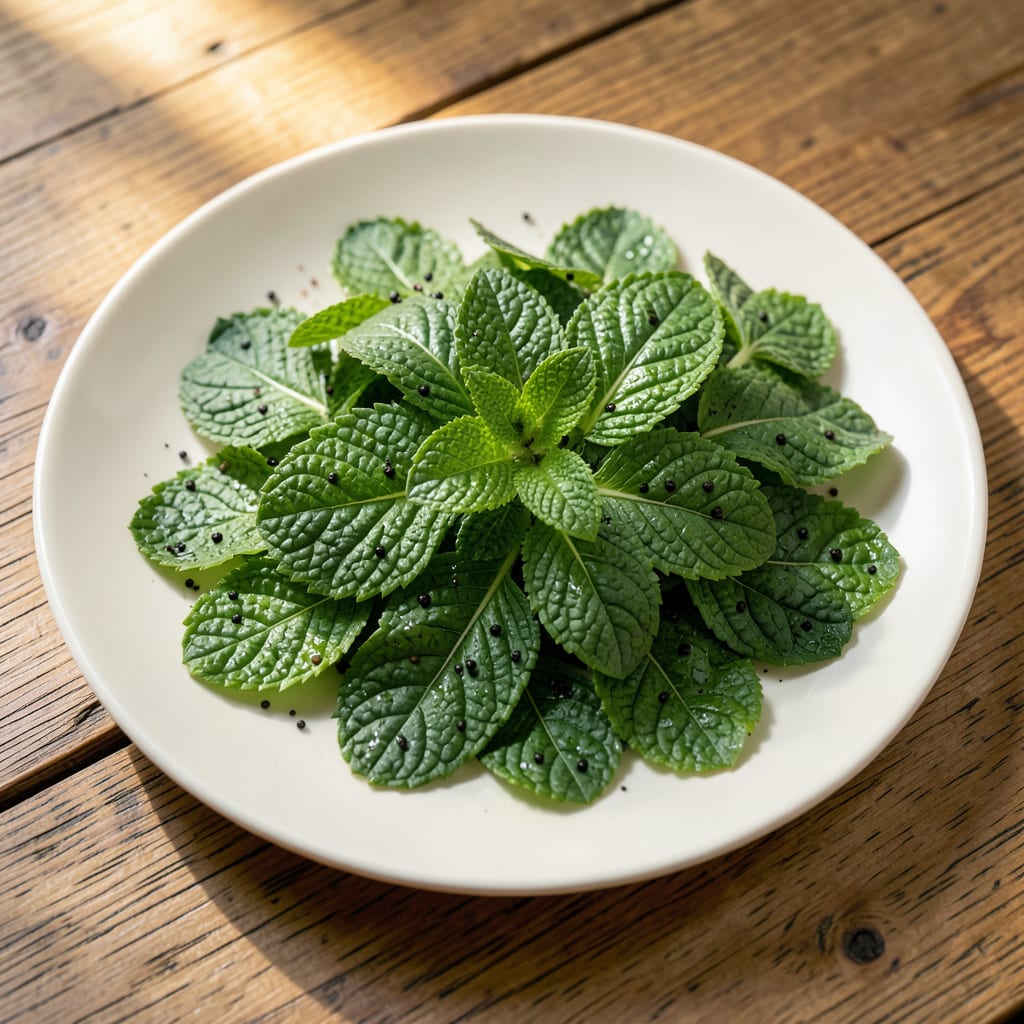
I spotted those same tiny black dots on my mint last week. They’re either aphids leaving their mark or early signs of fungal trouble—both common with mint’s lush growth.
Don’t panic. A quick inspection and the right fix can save your plants. I’ll walk you through identifying the cause and stopping it before it spreads to the rest of your garden.
📚 In This Guide
Here’s the method I use to diagnose and treat those mysterious dark spots without harming your plants.
Start by examining both sides of the leaves with a magnifying glass if possible. I look for tiny moving dots which usually indicate spider mites, or stationary specks that might be sooty mold. Check the stems and leaf undersides carefully—pests often hide there.
Note the pattern too. Random dots suggest pest activity, while clustered spots often point to fungal issues. The difference between these tells you which treatment path to take next.
Don’t shake the plant vigorously during inspection. This can dislodge pests and make them harder to identify, plus it stresses the mint unnecessarily.
If the dots wipe off with a damp cloth, you’re probably dealing with sooty mold, which grows on the honeydew left by aphids or whiteflies. This fungal issue appears as a black, dusty coating rather than raised bumps.
When the spots are raised or sunken into the leaf tissue, suspect fungal diseases like leaf spot. These typically have defined edges and may appear water-soaked at first.
Tiny moving dots or webbing between leaves clearly indicate spider mites. These pests thrive in dry conditions and often appear when mint isn’t getting enough humidity.
For sooty mold, first eliminate the underlying pest problem. I use a strong stream of water to knock off aphids, then apply insecticidal soap according to package directions. The mold will disappear once the honeydew source is gone.
With fungal issues, improve air circulation immediately. Space plants 12-18 inches apart and water at the base rather than overhead. A copper fungicide spray can help stop the spread if applied at the first sign.
Spider mites require consistent treatment. Spray plants with water daily to disrupt their life cycle, and consider introducing beneficial insects like ladybugs. These natural predators will clean up the infestation without chemicals.
Maintain consistent moisture without overwatering. Mint prefers soil that stays evenly moist but never soggy. I check the soil daily by sticking my finger 1 inch deep—if it feels dry, it’s time to water.
Provide 6-8 hours of sun daily but protect from intense afternoon heat which can stress plants. A location with morning sun and afternoon shade works perfectly for most mint varieties.
Regularly pinch back stems to encourage airflow. This not only prevents fungal issues but also promotes bushier growth. I do this every 2-3 weeks during the growing season, removing about 1/3 of the stem length each time.
These practical insights will help you diagnose and treat the problem more effectively.
Inspection Technique: In Step 1, use a white paper towel behind the leaves to make tiny dots more visible. The contrast helps you spot spider mites or sooty mold that might otherwise blend in with the leaf color.
Pattern Recognition: Remember that random dots usually mean pests while clustered spots suggest fungal issues. I’ve found that spider mites often create a speckled pattern along leaf veins, which is a dead giveaway.
Moisture Balance: For Step 4, that 1 inch deep soil check is crucial—mint roots are shallow and can dry out quickly. I water in the morning so the plant has moisture during the 6-8 hours of sun it needs daily, but the soil still has time to drain before evening.
Prevention Tip: When pinching back stems every 2-3 weeks, focus on the center of the plant first. This opens up airflow right where fungal problems are most likely to start, and removing 1/3 of the stem length encourages that bushier growth we want.
They’re usually caused by fungal infections like mint rust or pests such as aphids or spider mites. Inspect the leaves closely—if the dots wipe off, it’s likely sooty mold from pests. If they’re embedded, it’s probably a fungal issue.
It’s best to avoid using affected leaves, as fungal spores or pests can spread. If the infestation is minor, wash the leaves thoroughly and use them sparingly, but discard heavily damaged ones.
For pests, use insecticidal soap or neem oil. For fungal issues, remove infected leaves and improve airflow. Copper fungicides can help in severe cases. Always water at the base to keep leaves dry.
Yes, both pests and fungal diseases can spread to nearby plants. Isolate the affected mint and treat it promptly to prevent contamination.
