
Beautiful Plants For Your Interior
Beautiful Plants For Your Interior
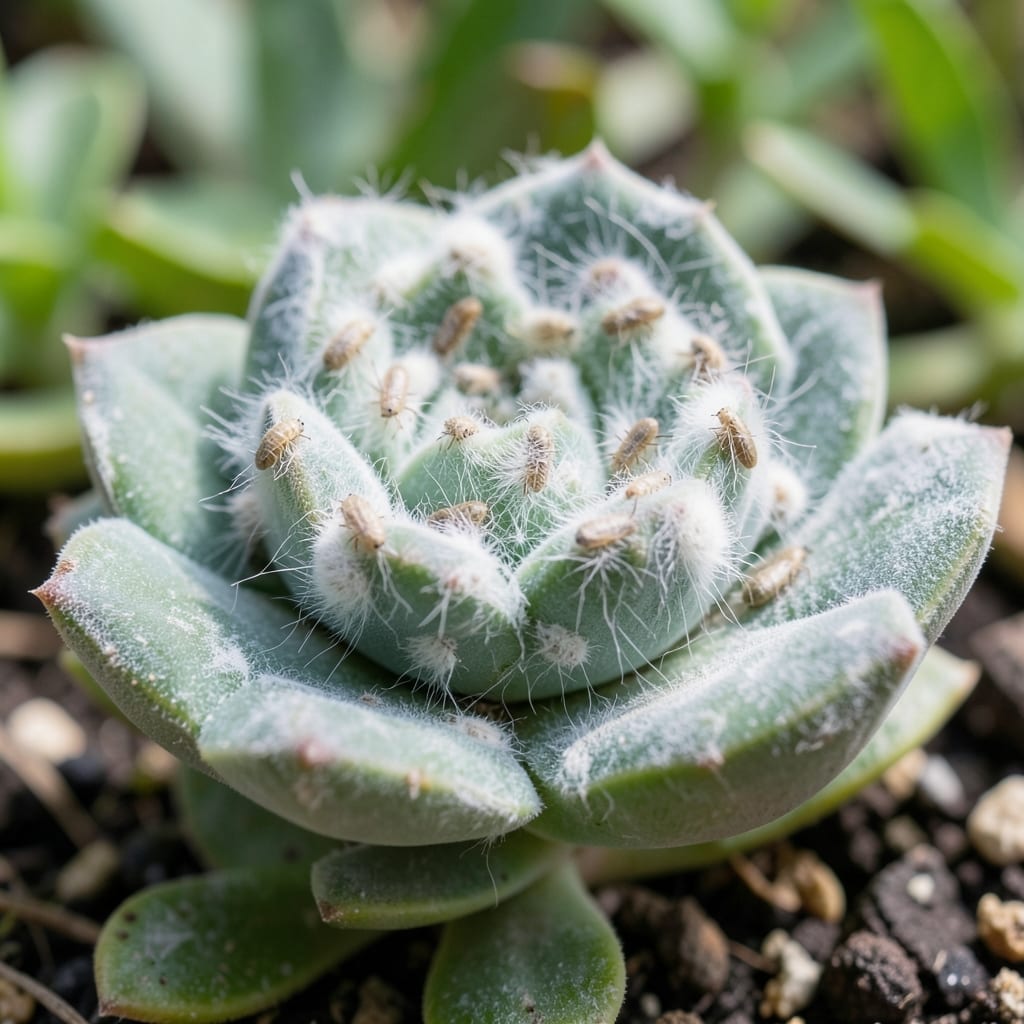
White cottony spots on your succulents aren’t decorative fluff. I spotted my first mealybug cluster last summer, tucked in the crevice of a jade plant, and it looked like someone had dabbed cotton swabs on the leaves.
These pests leave behind a sticky residue that attracts ants and can lead to sooty mold. They drain plant sap, stunting growth and causing leaves to yellow and drop, turning your thriving succulent into a sad shadow of itself.
Here’s the thing—early detection makes all the difference. Catch them soon enough and you can wipe out the infestation with a cotton swab dipped in rubbing alcohol, no harsh chemicals needed.
Prevention is simpler than you think: isolate new plants, inspect regularly, and keep your succulents healthy. A strong plant resists pests better than a stressed one.
Mealybugs thrive on succulents due to a mix of environmental and plant-health factors. Understanding these causes helps prevent infestations and keeps your plants healthy. Below are the primary reasons these pests appear.
Mealybugs flourish in warm, low-humidity environments—ideal for succulents. These pests reproduce rapidly in temperatures between 70–90°F (21–32°C), especially when the air lacks moisture. Indoor heating or dry climates create perfect breeding grounds.
While succulents need minimal water, excess moisture stresses the plant, weakening its natural defenses. Mealybugs target stressed succulents, feeding on their sap. Poor drainage or waterlogged soil exacerbates this, creating a haven for pests.
Succulents grown too close together lack airflow, trapping humidity and encouraging mealybug spread. Additionally, weak or damaged plants (from poor light, nutrient deficiencies, or physical injury) are more susceptible to infestation.
Mealybugs often hitchhike via unsterilized potting mix, tools, or new plants. Reusing soil or sharing tools between infected and healthy succulents spreads these pests quickly. Always quarantine new plants and sterilize tools to prevent contamination.
Mealybugs can be stubborn, but with the right approach, you can save your succulents. Here’s how to tackle each issue head-on:
If you spot white, cotton-like patches, act fast. Dab the bugs with a cotton swab soaked in rubbing alcohol (70% isopropyl). This dissolves their protective coating and kills them on contact. For larger infestations, spray the plant with a mix of 1 part alcohol to 3 parts water. Repeat every few days until they’re gone.
Honeydew attracts ants and mold. Wipe leaves with a damp cloth to remove the sticky film. Then, treat the plant with neem oil spray (mix 1 tbsp neem oil, 1 tsp dish soap, and 1 quart of water). Apply weekly to disrupt the mealybugs’ life cycle.
Prevention is key! Keep your succulents healthy with these habits:
💡 Pro tip: Ladybugs and lacewings are natural predators—introduce them to your garden for organic control!
They appear as small, white, cottony clusters in leaf crevices or stem joints. These fluffy spots resemble tiny cotton balls and may spread across the plant if untreated.
Overwatering, poor airflow, or contaminated soil often cause recurring infestations. 70–90°F (21–32°C) and low humidity create ideal conditions for these pests to thrive.
Yes! Isolate the plant and treat with rubbing alcohol or neem oil immediately. For severe cases, prune affected areas and repot in fresh, sterile soil.
Inspect succulents weekly, especially new additions. Focus on hidden spots like leaf undersides and stem bases where pests like to hide.