
Beautiful Plants For Your Interior
Beautiful Plants For Your Interior
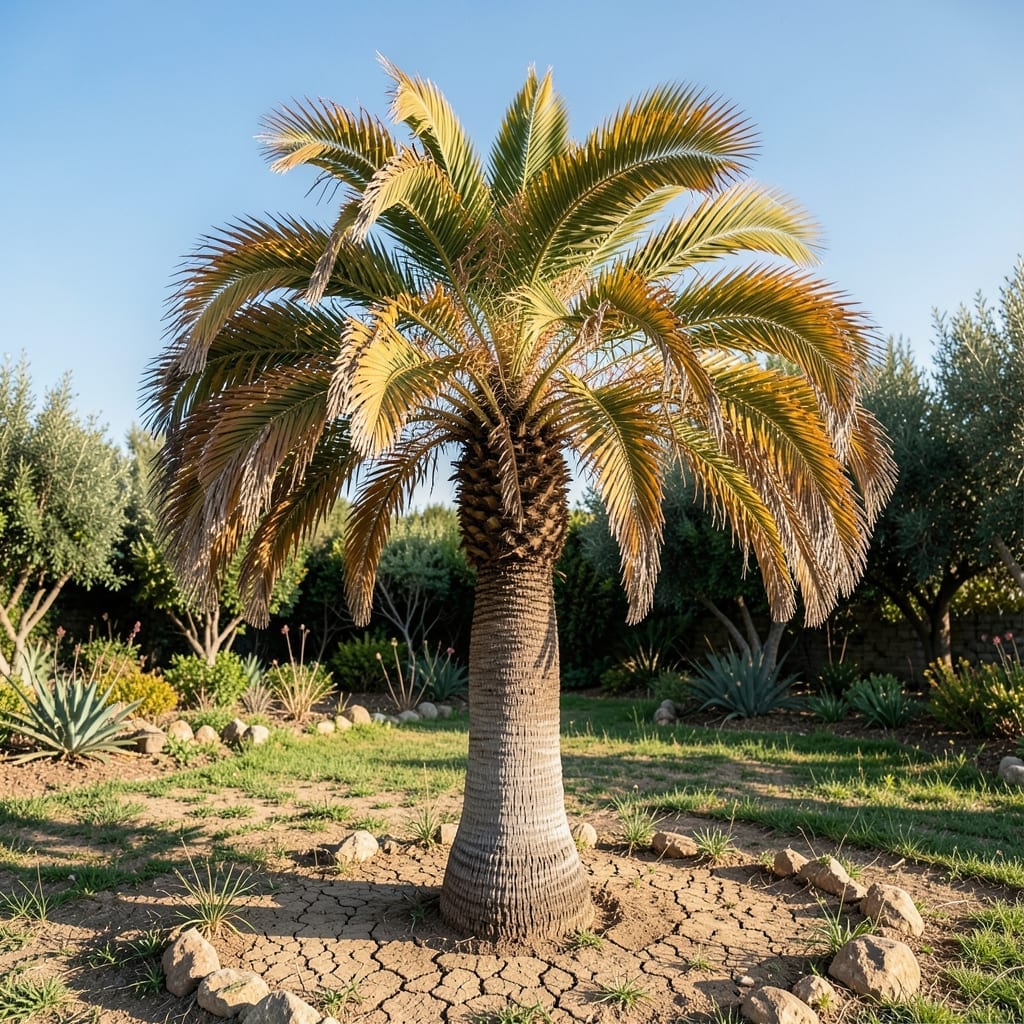
My palm tree looked like it was on its last frond last summer. Brown, crispy leaves and drooping branches had me convinced it was a goner, but a few targeted fixes brought it back to life.
Turns out most palm problems come from too much water, not enough nutrients, or the wrong kind of soil. The good news is these are all easy to diagnose and treat with simple changes to your care routine.
Within 4-6 weeks of adjusting watering and adding the right fertilizer, you’ll see new green fronds emerging. The transformation from sad and sickly to vibrant and thriving is surprisingly quick.
Works for potted palms, backyard specimens, or even newly planted ones. Here’s exactly what to look for and how to fix it.
Several factors can lead to a sick palm tree, often stemming from environmental stress, pests, or cultural mismanagement. Understanding these causes helps you address the issue effectively.
Palm trees thrive in warm climates, but sudden cold snaps or prolonged frost can damage their cells. Freezing temperatures rupture cell walls, leading to blackened or wilted fronds. Conversely, excessive heat without adequate water accelerates stress, causing nutrient deficiencies.
Both overwatering and underwatering harm palm trees. Soggy soil suffocates roots, promoting fungal infections like root rot. Meanwhile, drought conditions dehydrate the tree, turning fronds yellow or brown. Aim for deep, infrequent watering to maintain soil moisture without waterlogging.
Common culprits include palm weevils, spider mites, and scale insects. Weevils bore into the trunk, weakening the tree from within, while mites and scales suck sap, causing stippled or discolored leaves. Regular inspections and horticultural oil treatments can prevent outbreaks.
Palms require specific nutrients, notably magnesium (Mg), potassium (K), and manganese (Mn). Yellowing fronds (chlorosis) often signal a magnesium shortage, while frizzled or necrotic leaf tips may indicate potassium deficiency. A palm-specific fertilizer can correct imbalances.
Pathogens like Fusarium wilt or Ganoderma butt rot attack palms, often through wounds or poor sanitation. Symptoms include wilting, lesions, or conk formations at the base. Prevention includes sterilizing pruning tools and removing infected debris promptly.
Bringing your palm back to health starts with targeting the root of the problem. Below are practical fixes for common issues, paired with prevention tips to keep your palm thriving long-term.
Fix: Apply a palm-specific fertilizer rich in magnesium, potassium, and manganese. Use a slow-release granular formula, following the package instructions for dosage. Water deeply after application to help nutrients reach the roots.
Prevention: Fertilize every 2–3 months during the growing season (spring to fall). Avoid generic fertilizers, as they may lack the micronutrients palms need.
Fix: Spray the foliage and trunk with neem oil or insecticidal soap, covering both sides of the fronds. For severe cases, use a systemic insecticide labeled for palms. Repeat every 7–10 days until pests are gone.
Prevention: Inspect your palm weekly for early signs of pests. Keep the area around the tree free of debris, where pests often hide.
Fix: Stop watering immediately and let the soil dry out. If the roots are mushy, trim the affected areas with sterilized shears. Repot potted palms in fresh, well-draining soil (mix in perlite or sand). For in-ground palms, improve drainage by amending the soil or creating a small berm to redirect water.
Prevention: Water only when the top 1–2 inches of soil are dry. Ensure pots have drainage holes, and avoid planting in low-lying areas where water pools.
Fix: Prune damaged fronds with clean shears to encourage new growth. For cold-damaged palms, wrap the trunk in burlap or frost cloth during future cold snaps. Move potted palms to a sheltered location.
Prevention: Acclimate indoor palms gradually to direct sunlight. In colder climates, choose cold-hardy palm varieties and protect them before temperatures drop below their tolerance.
💡 Pro Tip: Always sterilize pruning tools with rubbing alcohol between cuts to prevent spreading disease. A little care goes a long way in keeping your palm healthy!
Water when the top 1-2 inches of soil are dry. This usually means 2-3 times per week in hot weather, less in cooler months. Overwatering causes root rot, so always check soil moisture first.
Use a palm-specific fertilizer with magnesium, potassium, and manganese. Apply every 2-3 months during growing season. Avoid generic fertilizers—they often lack essential micronutrients.
No, once fronds turn brown they won’t recover. Remove them to redirect energy to new growth. Focus on fixing the underlying issue (water, nutrients, pests) to prevent more damage.
White spots often indicate spider mites or scale. Spray with neem oil or insecticidal soap every 7-10 days until gone. Isolate the plant to prevent spreading to others.