
Beautiful Plants For Your Interior
Beautiful Plants For Your Interior
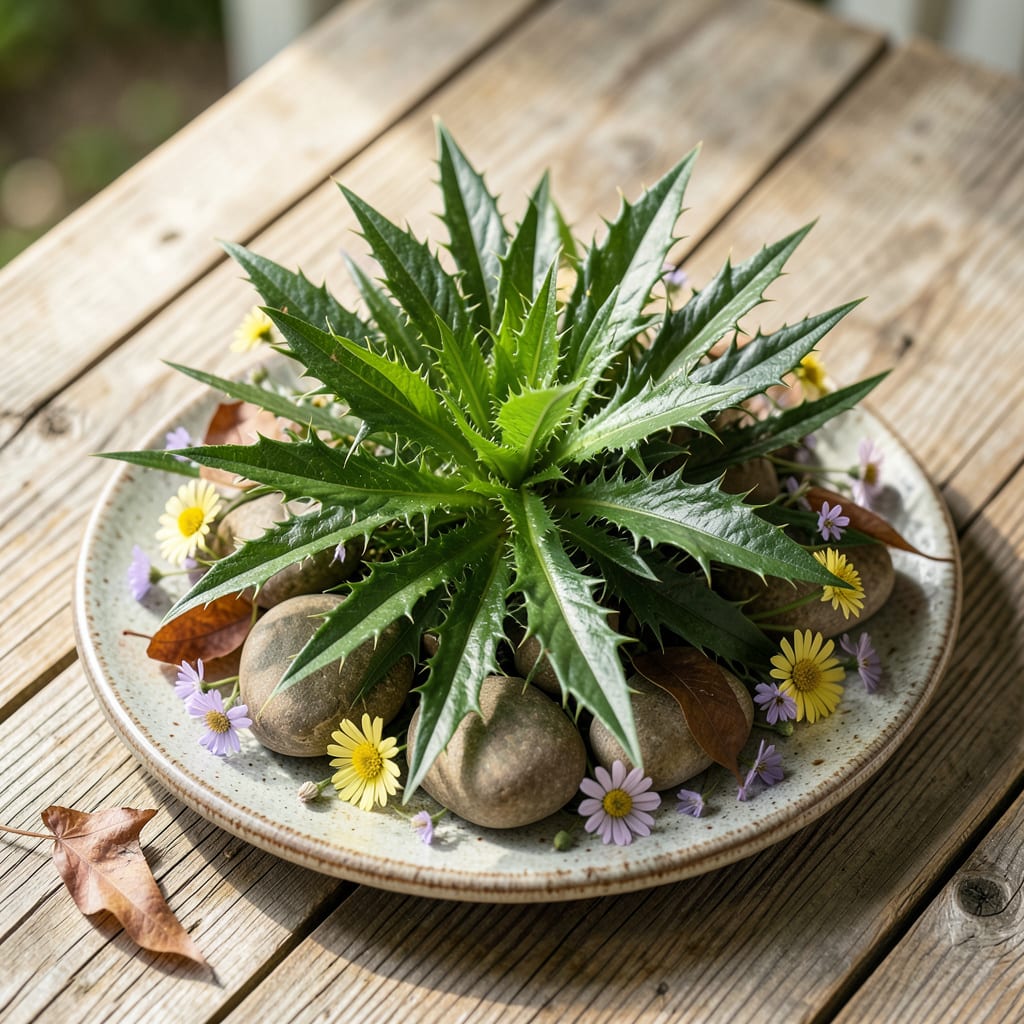
Spiky leaves add drama and protection to any garden. I’ve grown these shrubs for years, and they’re the easiest way to add year-round structure while deterring pests and prying eyes.
Holly, barberry, and pyracantha top my list—they thrive in sun or partial shade, need minimal care, and reward you with bold texture or bright berries. Plant them in well-drained soil, and they’ll handle drought like champions.
Pruning keeps them tidy and encourages new growth. A simple trim in late winter shapes them up without harming their natural defenses. They’ll stand guard in your landscape for decades.
Perfect for borders, hedges, or foundation plantings. These shrubs work hard so you don’t have to.
Nature equips some shrubs with spiky leaves as a clever survival mechanism. Below are the primary reasons this adaptation occurs, grounded in science and practical garden observations.
Spiky or thorny leaves act as a physical deterrent to herbivores like deer, rabbits, and insects. The sharp edges make it difficult or painful for animals to consume the foliage, protecting the shrub from being eaten. This is especially common in arid or nutrient-poor environments where plants are more vulnerable to grazing.
In dry climates, spiky leaves reduce surface area, minimizing water loss through evaporation. The pointed shape also creates a microclimate around the leaf, trapping moisture and reducing exposure to harsh sunlight. Shrubs like holly or barberry use this adaptation to thrive in drought-prone areas.
Some spiky leaves are angled to maximize sunlight absorption while reducing shade for lower foliage. This ensures the entire shrub receives adequate light for photosynthesis. Additionally, the spines can reflect excess light, preventing overheating in intense sun.
Over generations, shrubs in competitive or harsh environments develop spiky leaves through natural selection. Varieties with this trait survive longer, reproduce, and pass the characteristic to offspring. Gardeners can leverage this by choosing spike-leafed shrubs for low-maintenance, resilient landscapes.
Dealing with a shrub with spiky leaves can be rewarding, but challenges like pests, diseases, or environmental stress may arise. Here’s how to tackle the most common problems and keep your shrub thriving. 🌿✨
Spiky-leaved shrubs like holly or barberry can attract pests such as aphids or spider mites.
This often signals overwatering, nutrient deficiency, or poor drainage.
Cold winds and frost can damage spiky shrubs, causing brown or crispy leaves.
Powdery mildew or leaf spot can appear in humid conditions.
With these solutions, your spiky shrub will stay healthy and vibrant year-round!
Holly, barberry, and pyracantha are top choices. They offer year-round interest with glossy leaves and bright berries. These shrubs also provide excellent natural barriers.
Not all, but many do. Holly and pyracantha are famous for their colorful berries, while barberry produces small, red fruits. Berries add seasonal color and attract wildlife.
Prune once a year in late winter or early spring. This encourages new growth and maintains shape. Always wear gloves to protect your hands from thorns.
Yes, most are! The sharp leaves deter deer and other animals. This makes them ideal for gardens in areas with high deer populations.
