
Beautiful Plants For Your Interior
Beautiful Plants For Your Interior
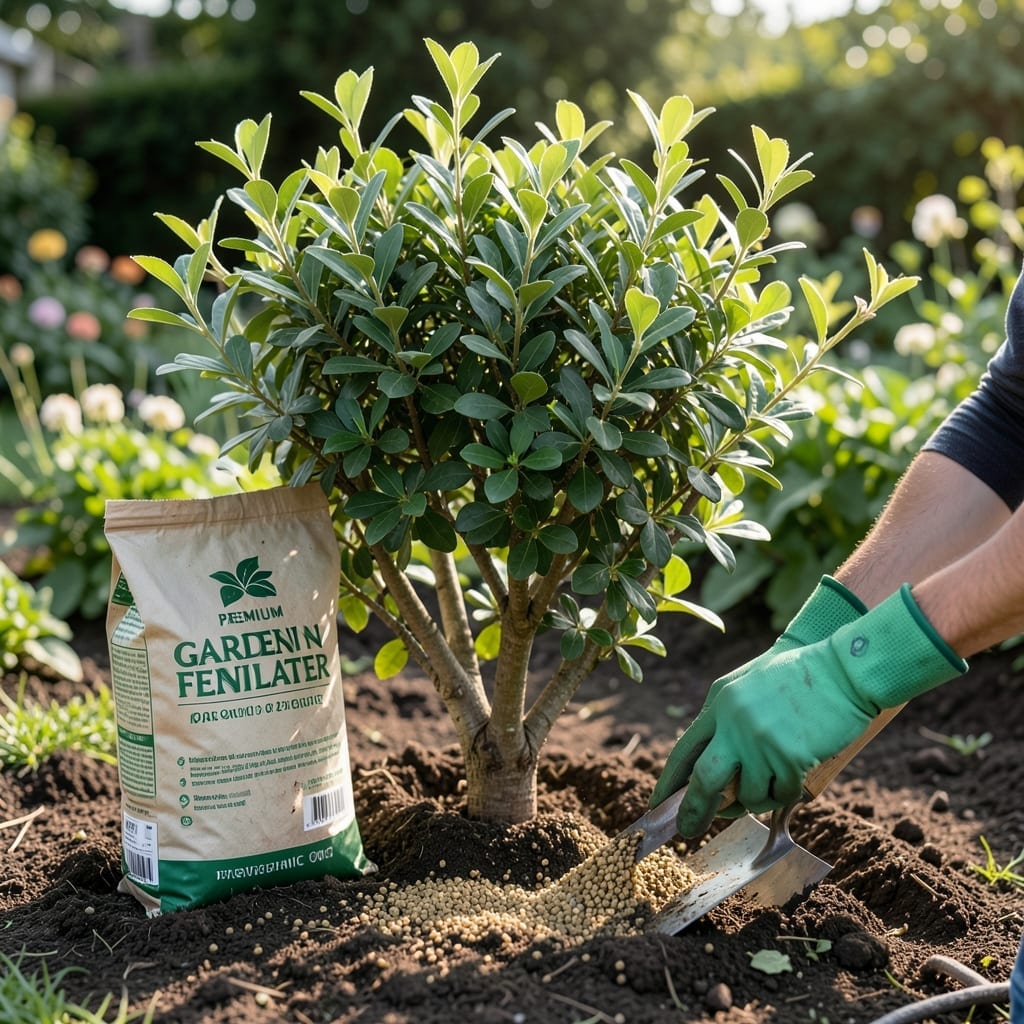
As the leaves change color, many gardeners wonder if fall is the right time to fertilize 🌿 Shrubs—or if doing so might harm their plants. The answer isn’t one-size-fits-all.
Timing and technique can make all the difference for root development and next year’s growth. What works for one shrub might not suit another.
Discover how to decide whether your Shrubs need that fall nutrient boost and when to apply it for best results.
Deciding whether to fertilize shrubs in fall depends on your goals and climate. I’ve seen gardeners get amazing root development with a well-timed application, but timing is everything. Early fall can help store nutrients for spring growth.
However, late fall fertilization can trigger new growth that won’t harden off before frost, risking winter damage. We must balance the benefits against the risks for each shrub type.
I always recommend focusing on early fall fertilization—before the first frost date in your area. This gives shrubs time to absorb nutrients and strengthen their root systems before dormancy.
Slow-release fertilizers work best in fall because they provide a steady nutrient supply without overwhelming the plant. Avoid high-nitrogen formulas, as they promote leafy growth rather than root development.
For evergreen shrubs, a light application in early fall can be beneficial. But for deciduous varieties, I’d advise waiting until dormancy or skipping fall fertilization entirely if your shrubs are already healthy.
If you notice yellowing leaves or stunted growth, these could be signs your shrubs need a nutrient boost. However, always check for other issues like pests or disease before reaching for the fertilizer.
In colder climates, I’d caution against fertilizing after mid-September. The risk of winter injury to new growth outweighs the benefits. In milder regions, you might have until late October for a safe application.
Remember that soil testing is your best friend. It tells you exactly what nutrients your shrubs need, preventing over-fertilization and potential harm to your plants and the environment.
Finally, always water deeply after fertilizing to help distribute nutrients and prevent root burn. This is especially important in fall when rainfall might be unpredictable.
With the right approach, fall fertilization can give your shrubs a strong foundation for next year’s growth 🌿
Choosing the right fall fertilizer for shrubs can make or break your plants’ winter readiness. I always recommend slow-release formulas because they provide steady nutrition without shocking the system.
Organic options like compost or bone meal are excellent for fall. They improve soil health while delivering nutrients gradually, which is perfect for root development before dormancy.
| Fertilizer Type | Best For | Application Time |
|---|---|---|
| Slow-Release Granular | All shrub types | Early fall |
| Organic Compost | Soil improvement | September |
| Low-Nitrogen Liquid | Evergreens | Early October |
For evergreen shrubs, I suggest applying fertilizer by mid-September in colder zones. This gives them time to absorb nutrients before the ground freezes.
Deciduous shrubs can often skip fall feeding unless they show nutrient deficiencies. If you do fertilize, use a balanced formula and apply it at least 6 weeks before frost.
Application method matters too. I prefer to work fertilizer into the top inch of soil around the drip line, not the trunk. This encourages root growth where it’s most effective.
After applying, always water thoroughly to activate the fertilizer. In dry falls, I might water again 2-3 days later to ensure the nutrients reach the root zone.
Remember, less is more in fall. A light application is safer than overdoing it. Your shrubs will thank you with stronger growth next spring 🌿