
Beautiful Plants For Your Interior
Beautiful Plants For Your Interior
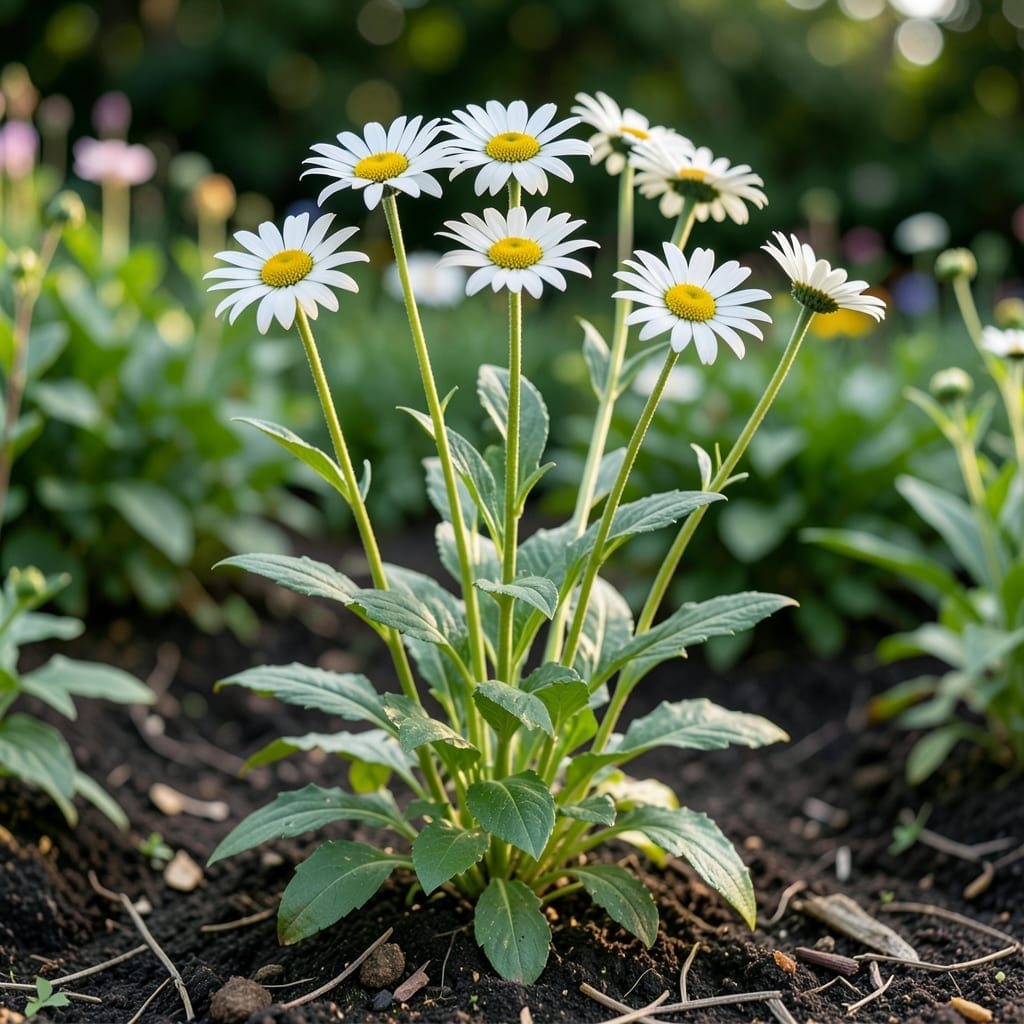
There’s something magical about watching Shasta Daisy 🌼 transform a garden with their bright white petals and cheerful yellow centers. But to truly enjoy their beauty, timing is everything.
I’ve learned that understanding their bloom season lets you plan your garden for maximum impact. Whether you’re a seasoned gardener or just starting out, this knowledge is the key to spectacular displays.
From ideal planting windows to seasonal care tips, I’ll share how to make the most of your Shasta Daisy bloom period. These flowers don’t just appear by chance – they thrive with the right approach.
Discover how to extend their blooming period and keep your garden vibrant longer. Let’s make your outdoor space the envy of the neighborhood.
I love how Shasta daisies bring that classic charm to any garden. Their bloom season typically starts in early summer and can last through fall, depending on your climate and care routine.
In most regions, you’ll see the first flowers in June, with the peak blooming period hitting in July and August. This is when your garden will be at its most vibrant, with those iconic white petals and yellow centers in full display.
| Stage | Timeframe | Notes |
|---|---|---|
| Early Blooms | June | First flowers appear |
| Peak Season | July-August | Most abundant flowers |
| Late Blooms | September | Flowers taper off |
| Extended Season | October | Possible in mild climates |
In USDA zones 5-9, where Shasta daisies thrive best, the blooming period can be quite long. I’ve seen gardens where the flowers keep coming for 3-4 months with proper care.
Climate plays a big role in your bloom timeline. Cooler northern regions might see a slightly delayed start, while warmer southern areas could enjoy earlier blooms and a longer season.
For the best results, plant your Shasta daisies in full sun with well-draining soil. They need at least 6 hours of sunlight daily to produce those gorgeous blooms we all love.
I’ve noticed that plants established in early spring tend to bloom more robustly. If you plant in fall, you might see a slightly delayed but still impressive display the following year.
Watering consistently is key during the bloom season. Aim for about 1 inch of water per week, either from rainfall or irrigation. This keeps the soil moist but not waterlogged.
One of my favorite things about Shasta daisies is their resilience. Even in hot summers, they’ll keep blooming if you give them a little extra attention, like morning watering to beat the heat.
Remember, the exact timing can vary based on your specific microclimate and the care you provide. But with the right conditions, you can enjoy these cheerful flowers from early summer well into fall. 🌼
I’ve found that with the right care, you can stretch your Shasta Daisy bloom season well beyond its natural window. These cheerful flowers typically bloom from early summer to early fall, but a few simple tricks can keep them going stronger, longer.
One of my favorite methods is regular deadheading. By removing spent blooms every few days, you encourage the plant to produce new flowers instead of setting seeds. This keeps your garden looking fresh and vibrant for weeks on end.
Another game-changer is proper fertilization. I use a balanced 5-10-5 fertilizer every 4-6 weeks during the growing season. This gives the plants the nutrients they need to produce more blooms and maintain their health.
Don’t overlook watering techniques. Shasta daisies prefer consistent moisture but hate soggy roots. I water deeply once a week, making sure to soak the soil to a depth of 6 inches. This encourages deep root growth and stronger plants.
If your daisies start looking leggy mid-season, a light pruning can work wonders. I trim back the stems by about one-third in early summer. This promotes bushier growth and can lead to a second wave of blooms.
Finally, remember that mulching helps maintain soil moisture and temperature. I apply a 2-3 inch layer of organic mulch around the base of my plants, keeping it a few inches away from the stems to prevent rot.
With these techniques, I’ve seen my Shasta daisies bloom up to 2 weeks longer than usual. It’s amazing how small adjustments can make such a big difference in your garden’s appearance ☀️