
Beautiful Plants For Your Interior
Beautiful Plants For Your Interior
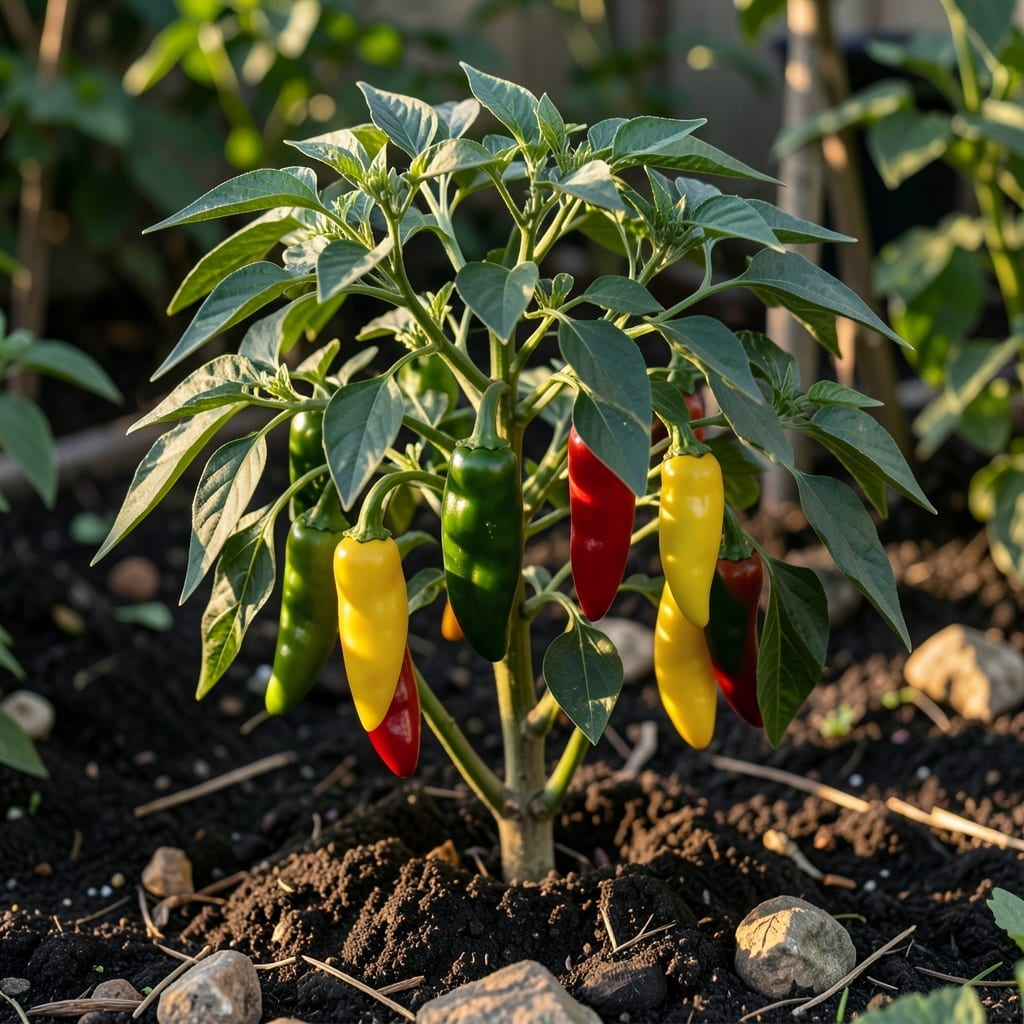
Those serrano pepper leaves can be tricky. I’ve seen them yellow, curl, or get spotted more times than I can count, but each issue tells a story about what your plant needs.
Whether it’s pests, water stress, or nutrient deficiencies, the solution is usually simpler than you think. Healthy leaves mean a productive plant, and I’ll show you how to get there.
📚 In This Guide
Here’s how I handle these leaves properly—no guesswork, just clear steps for safety.
First, confirm you’re dealing with serrano pepper plant leaves and not another variety. Serrano leaves are typically 2-3 inches long, lance-shaped, and have smooth edges with a slightly glossy finish. They grow in pairs along the stem, alternating as they ascend.
I always double-check by looking for the small, white, star-shaped flowers or the characteristic serrano peppers forming nearby. Misidentifying the plant could lead to handling the wrong leaves, which might have different toxicity levels.
Before touching any part of the plant, put on nitrile or latex gloves to protect your skin. Serrano pepper leaves, like the peppers themselves, contain capsaicin, which can irritate skin, especially if you have cuts or sensitive skin.
I also recommend wearing long sleeves and eye protection if you’re working with multiple plants or pruning extensively. Even a small amount of capsaicin transferred to your eyes or face can cause significant discomfort.
When pruning or removing leaves, use clean, sharp scissors or pruning shears to avoid crushing the plant tissue. Crushing releases more capsaicin into the air, which you could inadvertently inhale.
I like to work in a well-ventilated area or outdoors to minimize exposure. If you start to feel a burning sensation in your throat or nose, step away immediately and wash your hands and face with soap and cool water.
After handling the leaves, remove your gloves carefully—peel them off from the inside out to avoid transferring capsaicin to your skin. Wash your hands with soap and warm water for at least 20 seconds.
Don’t forget to clean your tools, too. I soak my scissors or pruners in soapy water for 5 minutes to break down any residual capsaicin, then rinse and dry them thoroughly. This prevents cross-contamination the next time you use them.
Never compost serrano pepper leaves if you’re unsure about your compost’s heat level. Capsaicin can persist, and if the compost doesn’t get hot enough, it might not break down completely. I dispose of them in a sealed bag with household trash to avoid accidental contact.
If you’re using the leaves for culinary purposes, ensure they’re from a plant grown without pesticides or chemicals. Even then, use them sparingly—serrano leaves have a milder but still noticeable heat compared to the peppers.
These practical insights will help you handle serrano pepper plants with confidence and avoid common pitfalls.
Identification Tip: In Step 1, pay close attention to the 2-4 inch length and lance-shaped leaves with pointed tips. Confession: I once mistook a similar-looking plant for serrano and regretted it. Always verify by comparing to a confirmed serrano image when uncertain.
Protection Essential: Step 2 isn’t optional—nitrile gloves are your first defense against capsaicin irritation. I learned this the hard way after a painful experience with garden gloves that weren’t protective enough. Designate specific clothes for pepper handling to prevent cross-contamination.
Ventilation Matters: When pruning in Step 3, a well-ventilated area is non-negotiable. Even small particles can cause respiratory irritation. I set up a fan nearby and position myself upwind to avoid inhaling any airborne capsaicin.
Cleanup Strategy: For Step 4, don’t just wipe tools—use soap and warm water specifically. Capsaicin is oil-based and won’t come off with water alone. I keep a dedicated sponge just for cleaning pepper-handling tools to ensure thorough decontamination.
No, serrano pepper leaves are not recommended for consumption. They contain solanine and other alkaloids, which can be toxic and cause digestive discomfort or worse if ingested in large quantities.
If you consume a small amount, monitor for symptoms like nausea or stomach pain. Drink water and seek medical advice if symptoms persist. For large amounts, contact poison control immediately.
Yes! The leaves contain capsaicin, which can deter pests. Steep them in water for a DIY spray, but avoid using it on edible plants to prevent contamination.
Wear gloves when pruning or handling leaves to avoid skin irritation. Wash your hands thoroughly afterward, and never touch your face or eyes during the process.
For a similar flavor, use the peppers themselves (seeds removed for less heat) or mild substitutes like bell peppers or jalapeños. Always avoid the leaves and stems.