
Beautiful Plants For Your Interior
Beautiful Plants For Your Interior
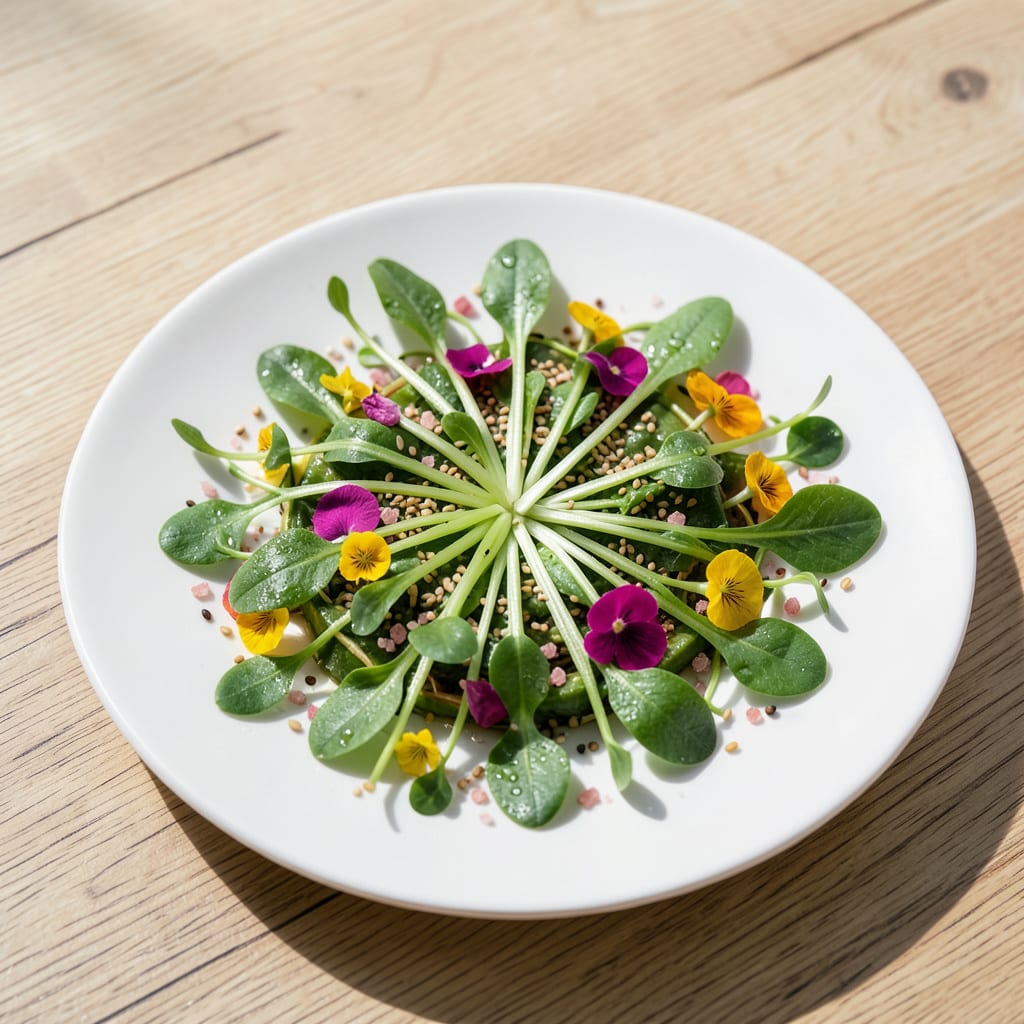
Those upward-pointing leaves might actually be a good sign. 🌱 I noticed this with my peppers last season—seedlings reaching for light often develop this posture as they stretch toward better conditions.
It usually means they’re healthy but need adjustment. Check your light source first; 12-16 hours of daily exposure helps them grow straight. Overwatering can cause similar effects, so let the soil dry slightly between drinks.
📚 In This Guide
Here’s how to spot the early signs that your young plants are thriving.
Start by looking at the very first leaves that appear—the cotyledons. These initial leaves should be perky and pointing upward, forming a little V shape. This is your first sign that the seedling is receiving proper light and beginning to photosynthesize effectively.
I always check these first thing in the morning when plants are most turgid. If they’re drooping or pointing sideways, it usually means the seedling is thirsty or needs more support from the soil.
After the cotyledons come the true leaves, which look more like the mature plant’s foliage. Healthy true leaves will also point upward at about a 45-degree angle, showing they’re actively growing toward the light source.
Real talk: if your true leaves are flat or pointing down, the plant might be stretching for light. Move your seedlings closer to the window or add a grow light. You’ll see improvement within 24-48 hours of making this adjustment.
Make it a habit to inspect your seedlings each day. Healthy stems should be thick and sturdy, supporting the upward-pointing leaves. The leaves themselves should have a vibrant green color and feel firm to the touch.
Here’s the thing—seedlings often reorient their leaves overnight to maximize light exposure. Don’t be alarmed if they look different in the morning. What matters is that by midday, they’re pointing up again.
Upward-pointing leaves often indicate perfect growing conditions. The soil should feel slightly dry to the touch between waterings, and your seedlings should receive 12-16 hours of light daily from a bright source.
I know it seems weird, but sometimes less water is better. Overwatering causes leaves to droop despite pointing upward initially. Stick your finger 1 inch into the soil—if it feels damp, wait another day to water.
As your seedlings mature, you’ll notice the newest leaves at the top pointing most upward, while older leaves may angle slightly outward. This is normal. The key is consistent upward growth at the crown.
Track progress by measuring stem height weekly. Healthy seedlings with proper light typically grow 1-2 inches per week. If growth stalls and leaves stop pointing up, reassess your light and water situation immediately.
Small details make a big difference in spotting healthy growth patterns.
Morning Inspection: I always check cotyledons first thing in the morning when plants are most turgid, as mentioned in Step 1. This is when they’ll show their most accurate orientation—perky and pointing upward in that telltale V shape. If they’re drooping at this time, it’s a sure sign they need water or soil support.
Light Adjustment Tip: In Step 2, if your true leaves are flat or pointing down, don’t wait to act. Move seedlings closer to the window or add a grow light immediately. You’ll see improvement within exactly 24-48 hours of making this adjustment, just as the instructions state.
Daily Routine: Step 3 emphasizes daily checks, and here’s why it matters: seedling leaves often reorient overnight. Don’t panic if they look different in the morning—what counts is that upward point by midday. I’ve learned this the hard way after worrying over perfectly normal overnight changes.
Moisture Check: For Step 4’s soil test, stick your finger exactly 1 inch into the soil as directed. If it feels damp, wait another day. Overwatering is the most common mistake I see—leaves may point up initially but will droop if the roots can’t breathe.
This is a natural response called phototropism—seedlings grow toward light. Upward-pointing leaves often indicate healthy development as they maximize light absorption for photosynthesis.
Not always. While many seedlings exhibit this behavior, some varieties (like broadleaf plants) may have horizontal or drooping leaves naturally. Check your plant type for typical growth patterns.
This could signal stress from overwatering, poor drainage, or insufficient light. Adjust care by ensuring proper light exposure and well-draining soil.
Most seedlings show upward growth within 3–7 days after germination, once they break the soil surface. If delayed, verify light and moisture conditions.
No—let nature take its course! Forcing leaves into position can damage tender stems. Simply rotate the tray daily for even light distribution.
