
Beautiful Plants For Your Interior
Beautiful Plants For Your Interior
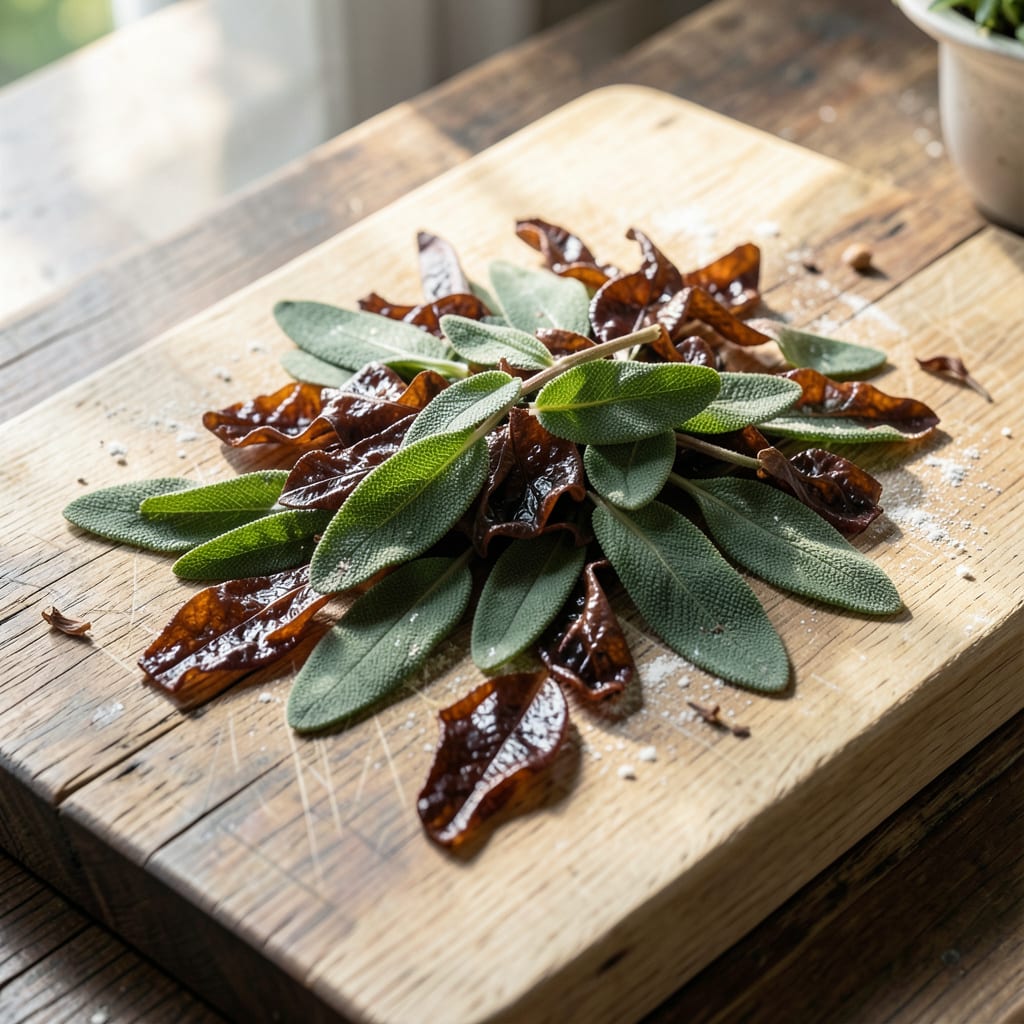
Brown sage leaves hit different when it’s your favorite kitchen herb. I’ve watched my plants go from vibrant green to crispy in days, and the causes are always simpler than you think.
Overwatering, dry air, or a sneaky pest usually top the list. Most gardeners jump to fungus first, but sage problems start with the basics: water, light, and airflow.
Fix the issue fast and you’ll see new growth within 2-3 weeks. The plant recovers surprisingly well once you remove the stressor.
Works for potted plants, garden beds, or windowsill herbs. Here’s how to diagnose and treat it right.
Several factors can lead to your sage leaves turning brown, often tied to environmental stress or care mistakes. Here are the most common culprits:
Sage is drought-tolerant but needs consistent moisture. Underwatering causes leaves to dry out and crisp, while overwatering leads to root rot, cutting off nutrient flow. Sage thrives in well-draining soil—soggy roots suffocate, turning foliage brown from the bottom up.
While sage loves sunlight, intense afternoon heat (especially in dry climates) can scorch leaves, causing brown, brittle edges. This is common in potted plants with limited soil to buffer heat. Shade cloth or afternoon shade can prevent sunburn.
Sage prefers 60–70°F (15–21°C). Frost or sudden cold snaps damage cells, leading to blackened or wilted brown leaves. Conversely, heatwaves accelerate moisture loss. Protect plants with mulch or row covers during temperature swings.
Pathogens like Alternaria or Phytophthora thrive in humid conditions, causing brown spots with yellow halos. Poor air circulation or wet foliage (from overhead watering) spreads spores. Prune affected leaves and improve ventilation to stop the spread.
Spider mites, aphids, and scale suck sap from leaves, leaving them stippled or entirely brown. Check leaf undersides for webbing or sticky residue. A strong blast of water or neem oil can dislodge pests early.
When your sage leaves start turning brown, quick action can restore their vibrant green. Below are targeted fixes for the most common causes, along with prevention tips to keep your plant thriving.
Fix: Stop watering immediately and check the soil. If it’s soggy, repot the sage in fresh, well-draining soil with a mix of perlite or sand. Trim any blackened, mushy roots with clean shears before replanting.
Prevention: Water only when the top 1-2 inches of soil are dry. Use pots with drainage holes and avoid saucers that trap water. 💡 Pro tip: Sage thrives on neglect—less water is often better!
Fix: Give the plant a deep watering until water runs out the drainage holes. For dry air, mist the leaves lightly or place a tray of water with pebbles near the plant to boost humidity.
Prevention: Stick to a consistent watering schedule (about once a week for potted sage). Group plants together to create a microclimate with higher humidity.
Fix: Move the plant to a spot with bright, indirect light or provide shade during the hottest part of the day (e.g., with a sheer curtain or shade cloth). Prune severely browned leaves to redirect energy to healthy growth.
Prevention: Sage loves sunlight but can scorch in extreme heat. Aim for 6-8 hours of morning sun and afternoon shade, especially in hot climates.
Fix: Inspect the leaves and stems for spider mites, aphids, or scale. Wipe them off with a damp cloth or spray with insecticidal soap. For stubborn pests, use neem oil (mix 1 tsp oil + 1 tsp dish soap per quart of water).
Prevention: Keep the plant clean and isolated from other infected plants. Regularly check the undersides of leaves for early signs of pests. 🎯 Pro tip: A strong spray of water can dislodge many pests before they settle in.
Fix: Remove all affected leaves and stems immediately to prevent spread. Apply a copper-based fungicide or a homemade baking soda spray (1 tsp baking soda + 1 quart water + a few drops of dish soap). Improve air circulation around the plant.
Prevention: Avoid overhead watering—water at the base instead. Space plants apart to ensure good airflow, and sterilize pruning tools with rubbing alcohol between uses.
No, once leaves turn brown they won’t recover. Remove them to redirect energy to healthy growth. New green leaves will emerge within 2-3 weeks with proper care.
Yes, as long as the browning is from environmental stress, not mold or pests. Wash leaves thoroughly before use and discard any with slimy or spotted areas.
Water when the top 1-2 inches of soil are dry, usually every 7-10 days. Sage prefers dry conditions, so less water is better than more.
Use well-draining soil mixed with perlite or sand. Avoid heavy or clay-based mixes that retain too much moisture, which can cause root rot.
