
Beautiful Plants For Your Interior
Beautiful Plants For Your Interior
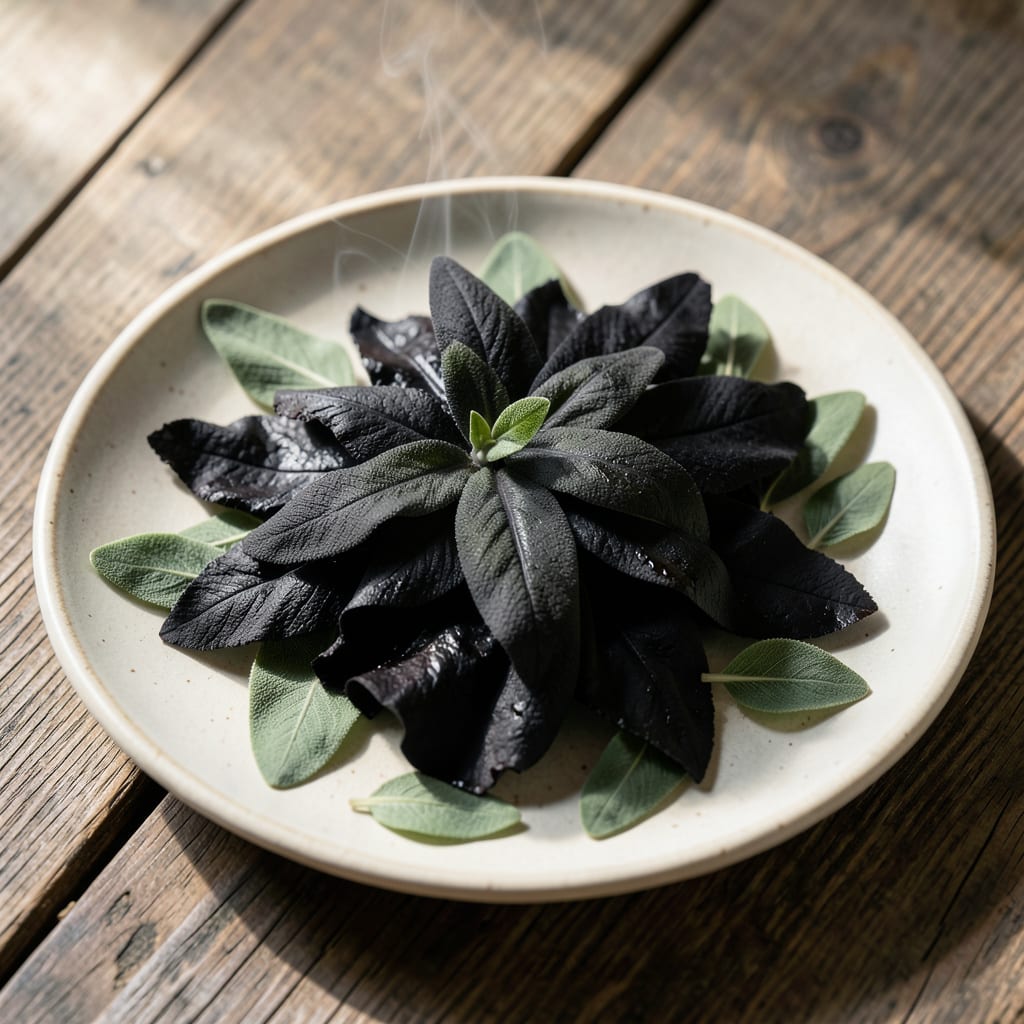
Black sage leaves caught my attention in my herb garden last week. I knew something was wrong when the normally silver-green foliage started darkening at the edges, spreading inward like ink on paper.
Overwatering was my first suspect, but I soon realized environmental stress and fungal issues could be just as likely. The good news is this problem is fixable if you catch it early enough.
You can revive your plant with some simple adjustments to watering, airflow, and sunlight. The key is acting before the blackening spreads to the entire plant.
I’ve brought back several sage plants from the brink using these methods, and the recovery time is often just 2-3 weeks with proper care.
Sage leaves turning black can be alarming, but the root causes are often manageable. Here are the most common culprits:
Root asphyxiation is a primary cause. Sage thrives in dry, well-drained soil, and excess water clogs the soil’s air pockets, suffocating roots. This triggers root rot, where fungal pathogens (e.g., Phytophthora or Pythium) attack the roots, cutting off nutrient uptake. Without intervention, the plant can’t sustain its foliage, leading to blackened, mushy leaves. Action: Check soil moisture 1–2 inches deep—if soggy, reduce watering and improve drainage with perlite or sand.
While sage loves sunlight, intense UV exposure without acclimation can scorch leaves, especially in heatwaves. High temperatures (above 90°F) combined with low humidity accelerate moisture loss, causing necrosis (tissue death) that appears as black or dark brown patches. Action: Provide afternoon shade in extreme heat and ensure consistent moisture (not soggy) to prevent stress.
Fungi like Alternaria or Botrytis thrive in humid, poorly ventilated conditions. These pathogens infect leaves, creating dark spots that spread and merge into large black areas. Overhead watering worsens this by keeping foliage damp. Action: Prune affected leaves, space plants for airflow, and water at the base. Copper fungicides can help in severe cases.
Sage is hardy but not immune to cold shock. Sudden temperature drops below 30°F rupture plant cells, leading to blackened, wilted leaves. This is common in early winter or late spring frosts. Action: Cover plants with frost cloth or move potted sage indoors before cold snaps.
Don’t panic if your sage leaves are turning black—here’s how to nurse your plant back to health. Each issue has a targeted fix, and a little care goes a long way.
If soggy soil is the culprit, stop watering immediately and let the top 2 inches of soil dry out. Repot the sage in fresh, well-draining potting mix (add perlite or sand for extra grit). Trim any black, mushy roots with clean scissors. Prevention tip: Water only when the soil feels dry to the touch, and ensure pots have drainage holes. 💡
Move potted sage indoors or to a sheltered spot if temperatures dip below 50°F (10°C). For garden plants, cover with frost cloth before cold snaps. Prune blackened leaves in spring to encourage new growth. Prevention tip: Plant sage in a sunny, warm microclimate or grow it in containers for easy relocation. ☀️
Remove and destroy affected leaves to prevent spread. Apply a copper-based fungicide or a DIY mix of 1 tsp baking soda + 1 quart water + a few drops of dish soap. Spray every 7–10 days until the issue clears. Prevention tip: Space plants for airflow, avoid overhead watering, and sterilize pruning tools with rubbing alcohol. ✨
If leaves scorch from intense sun, provide afternoon shade (especially in hot climates) and keep soil evenly moist. Mulch with pebbles to retain moisture and cool roots. Prevention tip: Acclimate sage gradually to full sun and water deeply during heatwaves. 🌿
Check for aphids, spider mites, or scale—common pests that weaken plants. Blast them off with water or use neem oil (1 tbsp oil + 1 tsp dish soap + 1 quart water). Repeat every 5–7 days. Prevention tip: Inspect plants weekly and encourage beneficial insects like ladybugs. 🐞
Unfortunately, once sage leaves turn black, the damage is irreversible. The plant won’t regenerate those specific leaves. However, with proper care, your sage will grow fresh, healthy foliage in 2-3 weeks.
Water sage deeply but infrequently—only when the top 1-2 inches of soil are completely dry. In hot weather, this might mean watering every 7-10 days. Always ensure pots have drainage holes.
Excess rain leads to waterlogged soil, causing root rot. This cuts off nutrient flow to the leaves, which then blacken. Improve drainage by amending soil with perlite or sand to prevent future issues.
Yes, prune blackened leaves immediately to prevent fungal spread and redirect energy to healthy growth. Use clean scissors and sterilize them between cuts with rubbing alcohol.
