
Beautiful Plants For Your Interior
Beautiful Plants For Your Interior
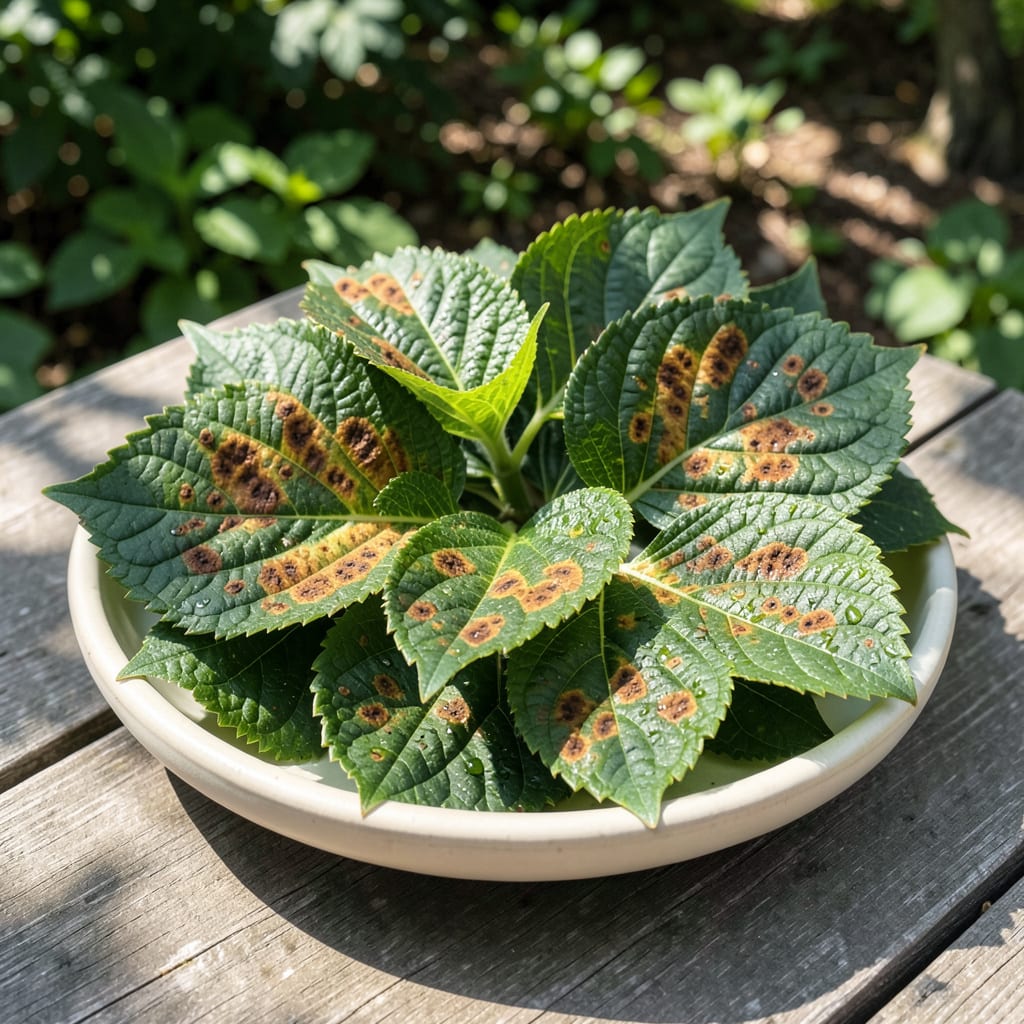
Those orange-brown spots on your hydrangea leaves aren’t just ugly—they’re a red flag. 🌿 I spotted them on my plants last summer and ignored them for too long, only to watch the infection spread like wildfire.
Rust is a fungal issue that thrives in wet, humid conditions. It starts as small spots on the upper leaves, then turns into powdery pustules underneath. Left untreated, it weakens the plant and stunts growth. The good news? You can stop it with organic fixes.
I tackled mine with a mix of neem oil and better air circulation. Within 2 weeks, the new growth was rust-free, and my hydrangeas bounced back stronger. Prevention is even simpler: space plants properly and water at the base.
Works for all hydrangea varieties, from oakleaf to bigleaf. Let’s clear up those leaves!
Rust spots on hydrangea leaves are often a sign of underlying issues that disrupt the plant’s health. Here’s a breakdown of the most common causes, explained with actionable insights:
Fungal pathogens, particularly Pucciniastrum hydrangeae, thrive in damp, poorly ventilated environments. These fungi spread through spores, which germinate on wet foliage, leading to the characteristic orange-brown rust spots. Overhead watering or crowded plantings create ideal conditions for fungal growth.
Overwatering or high humidity can weaken hydrangeas, making them more susceptible to rust. Waterlogged soil prevents proper root respiration, stressing the plant and reducing its ability to fend off infections. Ensure your hydrangeas have well-draining soil and avoid watering the leaves directly.
Dense foliage or planting hydrangeas too close together restricts airflow, trapping moisture on the leaves. This stagnant environment encourages fungal spores to settle and multiply. Prune nearby plants and space hydrangeas properly to improve ventilation.
A lack of essential nutrients, like potassium or phosphorus, can compromise a hydrangea’s immune system. Weakened plants are less able to resist fungal attacks. Regularly fertilize with a balanced, organic formula to maintain vibrant, resilient foliage.
Rust spots on hydrangea leaves can be frustrating, but early action can save your plant. Below are targeted fixes for common causes, along with simple prevention tips to keep your hydrangeas healthy and vibrant.
If rust is caused by Puccinia or other fungi:
Prevention: Water at the base of the plant (avoid overhead watering) and space hydrangeas properly. 💡 Morning watering allows leaves to dry quickly.
Soggy soil breeds rust-friendly conditions:
Prevention: Use a moisture meter or water only when the top inch of soil is dry. ✨ Drip irrigation is ideal for keeping leaves dry.
Extreme heat or poor light can weaken plants, making them rust-prone:
Prevention: Plant hydrangeas in a spot with dappled sunlight and consistent temperatures. 🎯 Native varieties often adapt better to local conditions.
Yes, fungal spores can travel via wind or water to nearby susceptible plants. Remove infected leaves immediately and avoid overhead watering to prevent spreading.
Neem oil helps mild to moderate cases but may need 2-3 applications spaced 7-10 days apart. For severe rust, use copper-based fungicides and prune heavily infected areas.
Space plants properly, water at the base in the morning, and maintain good airflow. A 2-inch mulch layer also helps reduce splash-back spores.
