
Beautiful Plants For Your Interior
Beautiful Plants For Your Interior
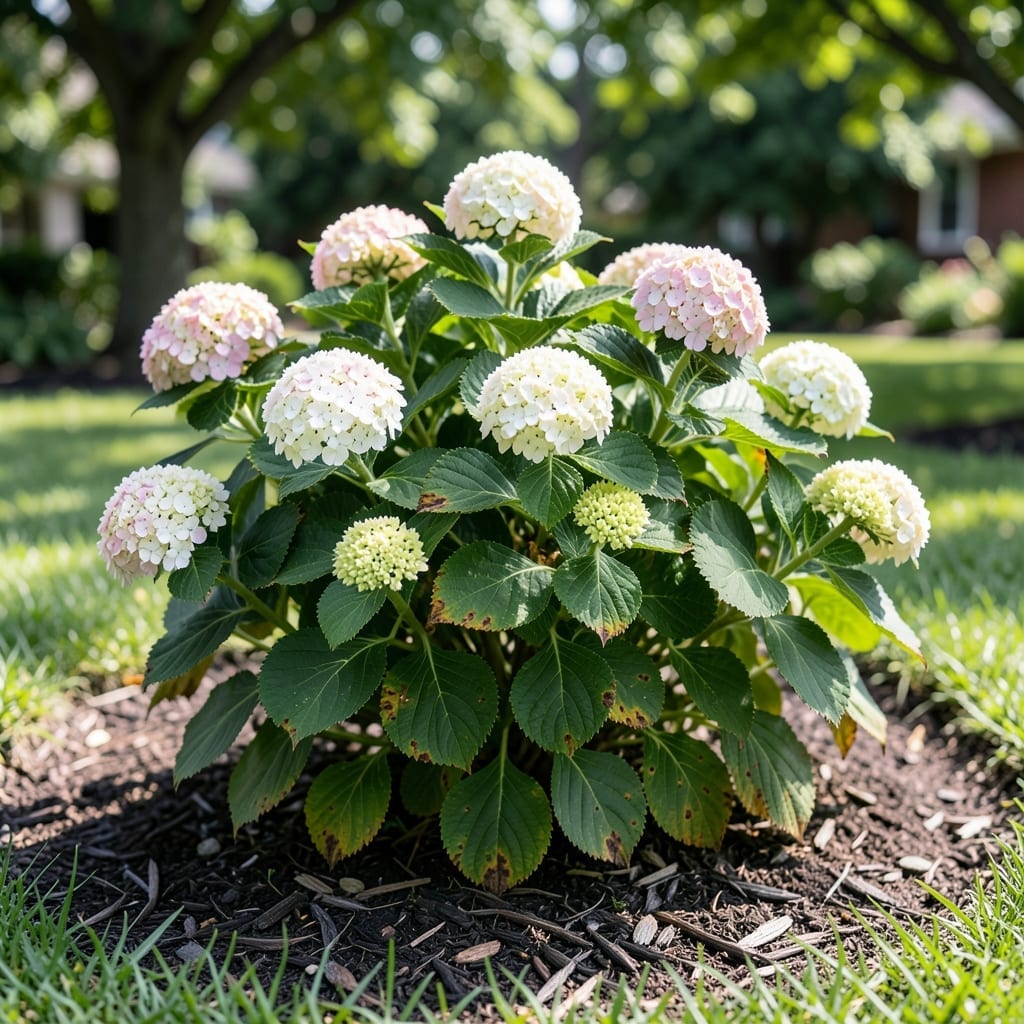
Orange spots on your hydrangea leaves spell trouble, but it’s fixable. I’ve battled rust on my own plants and learned the early signs—yellow flecks that turn rusty brown—mean it’s time to act fast.
The culprit loves damp conditions, so improving airflow and avoiding overhead watering are your first defenses. I’ve seen vibrant blooms return within weeks using simple, natural treatments that don’t harm the plant or the soil.
You’ll start with basic cleanup: remove infected leaves and clear debris around the base. Then, apply a homemade spray that targets the fungus without harsh chemicals.
Works for all hydrangea varieties, even in humid climates where rust thrives. Here’s how to reclaim your garden’s showstoppers.
Rust on hydrangeas is a fungal disease that thrives under specific conditions. Here’s why it happens and how to address the root causes:
Fungal spores, like Pucciniastrum hydrangeae, flourish in damp environments. Overhead watering, poor drainage, or high humidity create ideal breeding grounds. Leaves that stay wet for 6+ hours are especially vulnerable. Water at the base of the plant in the morning to allow foliage to dry quickly.
Dense plantings or crowded garden beds restrict airflow, trapping moisture on leaves. Prune nearby shrubs or thin hydrangea stems to improve ventilation. Space plants at least 3–4 feet apart to reduce humidity pockets where rust can spread.
Fungal spores overwinter in fallen leaves, dead stems, and garden debris. Failing to remove these allows the pathogen to reinfect plants in spring. Rake and discard (do not compost) infected material, and sanitize pruning tools with rubbing alcohol between cuts.
Pro tip: Apply a 2-inch layer of mulch to prevent soil-borne spores from splashing onto leaves during rain.
Cool, moist springs (50–70°F) followed by warm days accelerate rust development. Monitor weather forecasts and preemptively treat with neem oil or copper fungicide during high-risk periods.
Tackling rust on hydrangeas starts with identifying the cause and applying the right fix. Here’s a practical guide to restore your plant’s health:
If rust is caused by fungal spores, prune infected leaves immediately and dispose of them in sealed bags—not compost. Apply a copper-based fungicide or a neem oil solution (1 tbsp neem oil + 1 tsp dish soap per gallon of water) every 7–10 days until the issue clears. 💡 Pro tip: Water at the base of the plant to keep foliage dry.
Wet leaves breed rust. Switch to drip irrigation or a soaker hose to deliver water directly to the roots. If hand-watering, do it early in the morning so leaves dry quickly. ✨ Prevention: Space plants for airflow and avoid crowding.
Trim dense growth to improve airflow. Remove 1/3 of old stems at the base in late winter or early spring. Plant hydrangeas 3–4 feet apart to reduce humidity buildup. 🎯 Bonus: Mulch with pine needles to slightly acidify soil, which hydrangeas love.
Yellowing leaves with rust spots? Test soil pH (hydrangeas prefer 6.0–6.5). Amend with sulfur to lower pH or lime to raise it. Feed with a balanced fertilizer (10-10-10) in spring, but avoid high-nitrogen formulas that promote leafy growth over blooms.
🌡️ General Prevention: Clean garden tools with rubbing alcohol between uses, and remove fallen debris regularly to stop spores from overwintering.
Yes, rust spores can travel via wind, water, or garden tools. Isolate infected hydrangeas and avoid touching healthy plants after handling affected ones. Clean tools with rubbing alcohol between uses.
With consistent neem oil or fungicide applications every 7-10 days, you should see improvement in 2-3 weeks. Full recovery may take a growing season, depending on severity.
No, composting can spread spores. Seal infected leaves in a bag and dispose of them with household trash. Never add them to compost piles.
Rarely, but severe cases can weaken the plant. Early action prevents major damage. Focus on removing infected parts and improving airflow to restore health.