
Beautiful Plants For Your Interior
Beautiful Plants For Your Interior
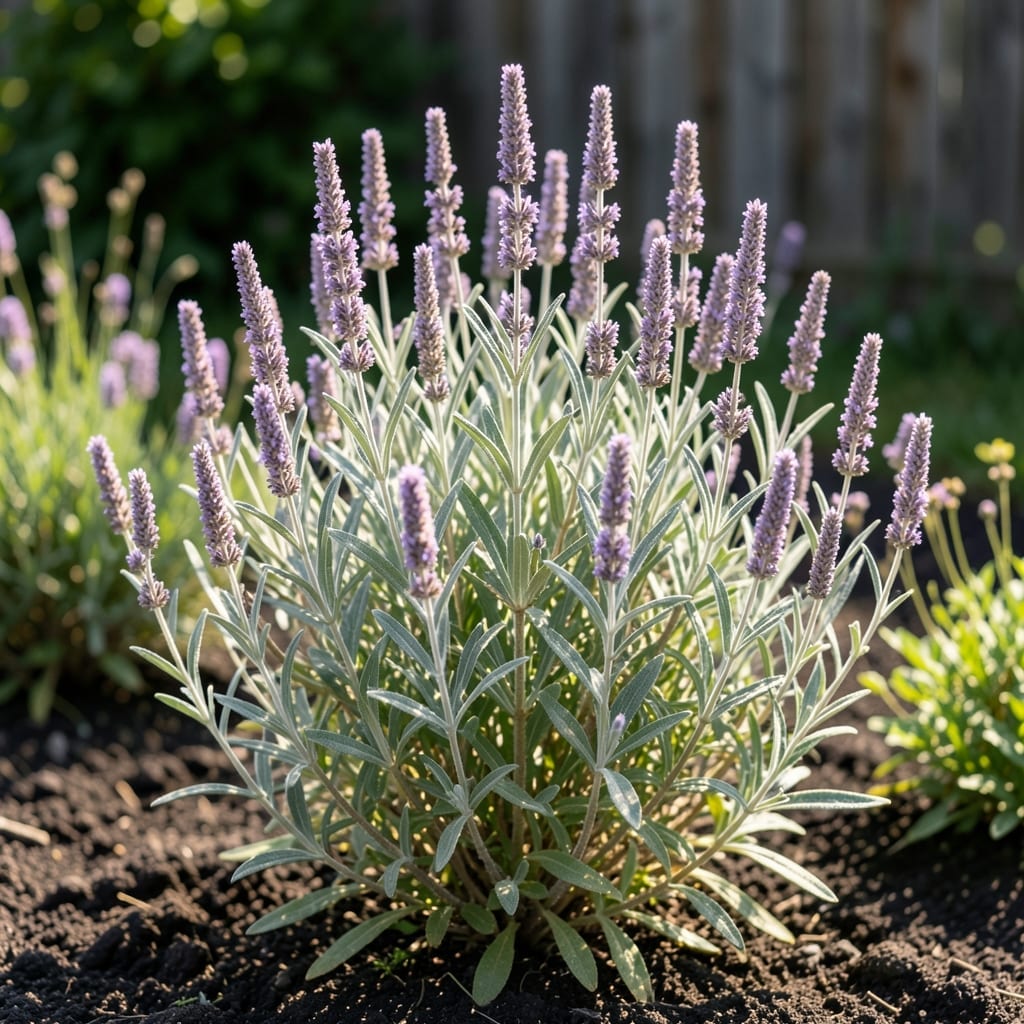
Russian sage’s iconic lavender-blue flowers can transform any garden into a pollinator paradise, but timing is everything to catch their full glory.
The 🌿 Russian Sage typically bursts into bloom from July through September, filling your space with vibrant color and fragrance. This hardy plant thrives in USDA zones 5-9, making it a versatile choice for many gardeners.
I’ll share how to maximize its flowering season and keep your garden vibrant longer. Let’s explore what makes this plant a true standout.
The Russian sage bloom time is one of the longest among perennials, typically spanning from mid-summer to early fall. In most regions, you can expect those stunning lavender-blue flowers to appear starting in July and continue through September.
This plant thrives in USDA zones 5-9, with slight variations in timing based on your local climate. Cooler areas may see a later start, while warmer zones often enjoy an earlier and more extended display. The drought-tolerant nature of Russian sage makes it a reliable choice for hot, dry summers.
| Stage | Bloom Time | Climate Notes |
|---|---|---|
| Early Bloom | Late June – July | Warmer zones start earlier |
| Peak Bloom | July – August | Full sun boosts flower production |
| Late Bloom | August – September | Cooler areas may end earlier |
| Extended Bloom | September – October | Possible in mild fall climates |
In my experience, well-drained soil and full sun exposure are key to maximizing the Russian sage flowering season. The plant can handle partial shade, but you’ll see significantly more blooms with 6+ hours of direct sunlight daily.
Gardeners in zone 5 might notice their Russian sage starts blooming a bit later, often in late July, while those in zone 9 could see flowers as early as June. The bloom period typically lasts 8-12 weeks, making it a garden staple for summer color.
Another factor affecting bloom time is the plant’s age. Mature Russian sage plants tend to have a more robust and earlier flowering display compared to younger specimens. I’ve found that 3-year-old plants often produce the most impressive floral show.
The length of daylight also plays a role in triggering blooms. Russian sage is a long-day plant, meaning it tends to flower when days are longer. This is why you’ll often see the first flowers appearing as summer approaches.
For those in regions with hot, dry summers, Russian sage is particularly well-suited. Its natural drought tolerance means it can continue blooming even when water is scarce, though occasional deep watering will help maintain the most vibrant display.
If you’re looking to create a pollinator-friendly garden, timing your Russian sage planting to coincide with its bloom period can attract bees, butterflies, and other beneficial insects throughout the summer months.
Remember that pruning practices can influence when your Russian sage blooms. I recommend early spring pruning to encourage stronger growth and more abundant flowering during the typical July-September window.
🌿To maximize your Russian sage bloom time, I focus on proper care techniques that encourage longer flowering. The key is understanding that this hardy perennial responds well to consistent conditions and thoughtful maintenance throughout its growth cycle.
In my garden, I’ve found that early spring pruning makes a significant difference. Cutting back the previous year’s growth by about one-third helps stimulate new, flower-producing stems. This simple step can add weeks to your blooming season.
Another tip I swear by is deadheading faded flowers. While Russian sage doesn’t require this as much as some other plants, removing spent blooms can encourage the plant to produce more flowers, extending your color display well into fall.
Watering practices also play a crucial role. Russian sage is drought-tolerant, but I’ve noticed that occasional deep watering during prolonged dry spells helps maintain vibrant blooms. Just be sure to let the soil dry out between waterings to prevent root rot.
For fertilization, I recommend a light touch. Too much fertilizer, especially high-nitrogen types, can lead to leafy growth at the expense of flowers. A balanced, low-dose fertilizer in early spring is usually all this plant needs.
Finally, don’t underestimate the power of full sun. Russian sage thrives in bright, direct light, and plants in shadier spots often have shorter bloom periods. If your garden has limited sun, consider planting in the sunniest spot available.
🌿