
Beautiful Plants For Your Interior
Beautiful Plants For Your Interior
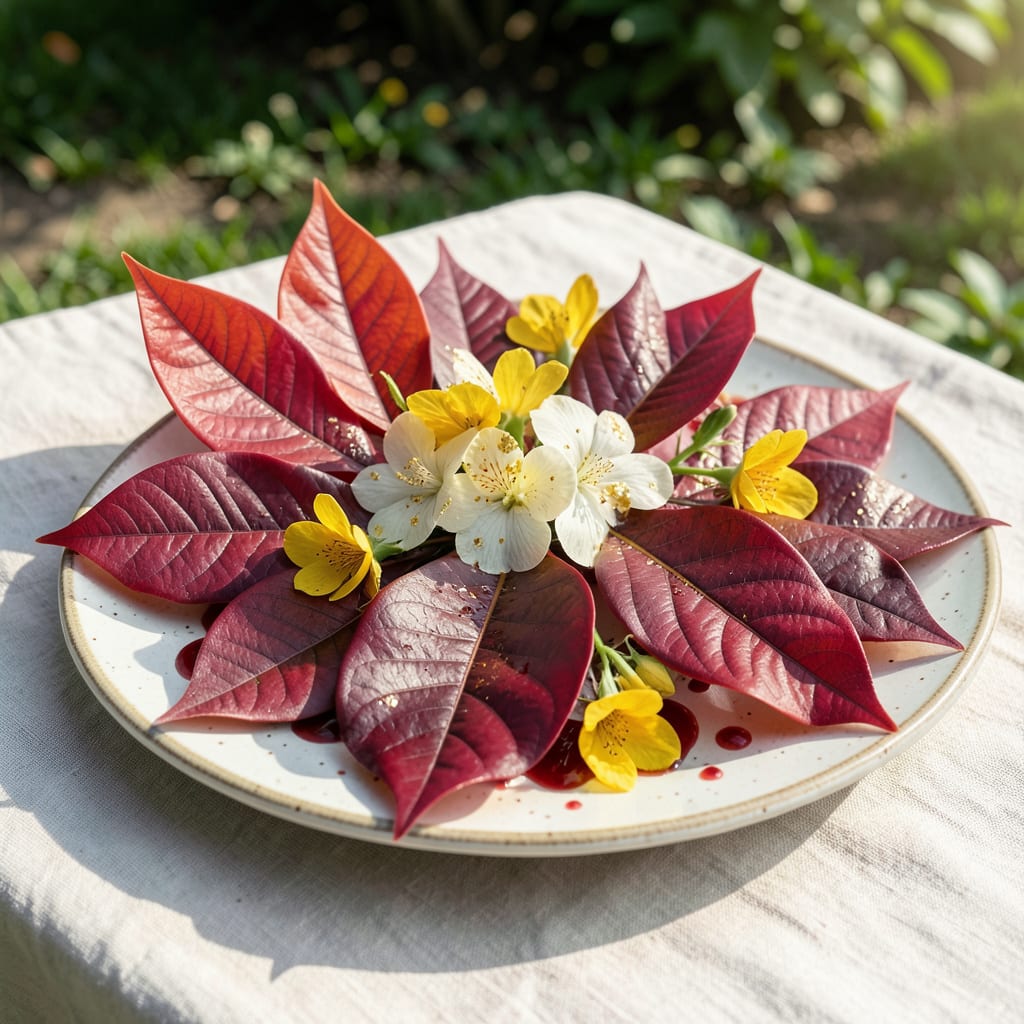
Royal poinciana leaves stole my heart at first sight. 🌿 Their delicate, fern-like patterns and vibrant green hue transform any tropical garden into a living painting.
I planted my first one five years ago, and the way its foliage creates dappled shade is pure magic. These trees thrive in warm climates with minimal fuss, rewarding you with that iconic tropical look that stops visitors in their tracks.
📚 In This Guide
Here’s my proven method for coaxing those stunning, fern-like leaves into a showstopping tropical display.
Royal poinciana demands full sun—at least 6-8 hours daily—to develop its iconic, finely divided foliage. I’ve found that even partial shade leads to sparse, leggy growth and fewer of those brilliant red-orange leaves. Choose a spot with well-draining soil; these trees despise soggy roots.
Test your location by observing sunlight patterns for a day. The leaves will only reach their signature vibrancy in unobstructed light. Avoid low-lying areas where cold air or water pools—royal poinciana is frost-sensitive and needs warmth to thrive.
Dig a hole twice as wide as the root ball but no deeper. Backfill with native soil, tampling lightly to remove air pockets. I always add a 2-3 inch layer of mulch (wood chips or bark) around the base to retain moisture and regulate soil temperature.
Water deeply after planting, then let the top 1-2 inches of soil dry before the next irrigation. Overwatering early on causes root rot, but don’t let it dry out completely—you’ll see wilting leaves within 24-48 hours if the tree is thirsty.
Once established, royal poinciana is drought-tolerant, but consistent moisture during the growing season keeps the foliage lush. I water mature trees once weekly in dry spells, adjusting for rainfall. The leaves will droop slightly when thirsty—a clear visual cue.
Fertilize lightly in early spring with a balanced 10-10-10 formula, but avoid high-nitrogen mixes. Too much nitrogen promotes leafy growth at the expense of those iconic scarlet blooms that complement the foliage. Prune only to remove dead or crossing branches—heavy pruning reduces the tree’s natural elegance.
Watch for yellowing leaves, which often signal overwatering or poor drainage. If the tips brown, it’s usually a salt buildup from tap water—switch to collected rainwater or distilled water for a few weeks. I’ve also seen spider mites in dry conditions; a strong blast of water or insecticidal soap fixes it.
In colder zones (below USDA Zone 10), grow royal poinciana in a large container. Move it indoors to a sunny room when temperatures dip below 40°F. The leaves may drop in protest, but they’ll regrow once warmth returns.
The leaves emerge bronze-red in spring, mature to deep green, then turn fiery orange before dropping in winter. This cycle is normal—don’t mistake leaf drop for disease. In tropical climates, the tree may stay semi-evergreen, but even there, expect some seasonal shedding.
For the most dramatic foliage display, pair your royal poinciana with contrasting plants. The fine, feathery leaves look stunning against broad-leafed species like bird of paradise or elephant ears. Real talk: once you see that first burst of spring growth, you’ll understand why this tree is a tropical landscape superstar.
These details make the difference between a struggling sapling and a vibrant tropical showstopper.
The Sunlight Non-Negotiable: Those 6-8 hours of daily full sun in Step 1 aren’t just a suggestion—they’re the secret to that iconic fern-like leaf structure and fiery color. I learned this the hard way after planting one in partial shade; the leaves came out sparse and pale. Trust me, sacrifice a less-than-ideal spot for that unobstructed light.
Watering Wisdom: The 24-48 hour wilting window mentioned in Step 2 is your early warning system. When you see those first droopy leaves, it’s time to water deeply—but don’t overcorrect. Let that top 1-2 inches of soil dry between waterings to prevent root rot while maintaining vibrancy.
Container Strategy: If you’re in zones below USDA Zone 10, that 40°F threshold in Step 4 is your cue to move potted specimens indoors. I’ve found that a south-facing window with supplemental grow lights keeps the foliage lush during winter months. The leaves may protest initially, but they bounce back remarkably fast.
Fertilizer Finesse: That balanced 10-10-10 formula in Step 3 works because it supports both foliage and blooms without favoring one over the other. Here’s what nobody tells you—high-nitrogen fertilizers will give you abundant green leaves, but you’ll sacrifice those stunning scarlet flowers that make this tree truly spectacular.
Yellowing leaves often signal overwatering, poor drainage, or nutrient deficiencies. Check soil moisture and ensure proper drainage to keep your tree healthy.
Royal poinciana trees are deciduous in cooler climates, shedding leaves in late fall or winter. In tropical areas, they may retain foliage year-round but drop leaves briefly before new growth.
Yes! Dried leaves make excellent organic mulch, enriching soil as they decompose. Avoid thick layers to prevent mold or pest issues.
Brown spots may indicate fungal infections or pest damage. Prune affected areas, improve air circulation, and apply a fungicide or neem oil if needed.
