
Beautiful Plants For Your Interior
Beautiful Plants For Your Interior
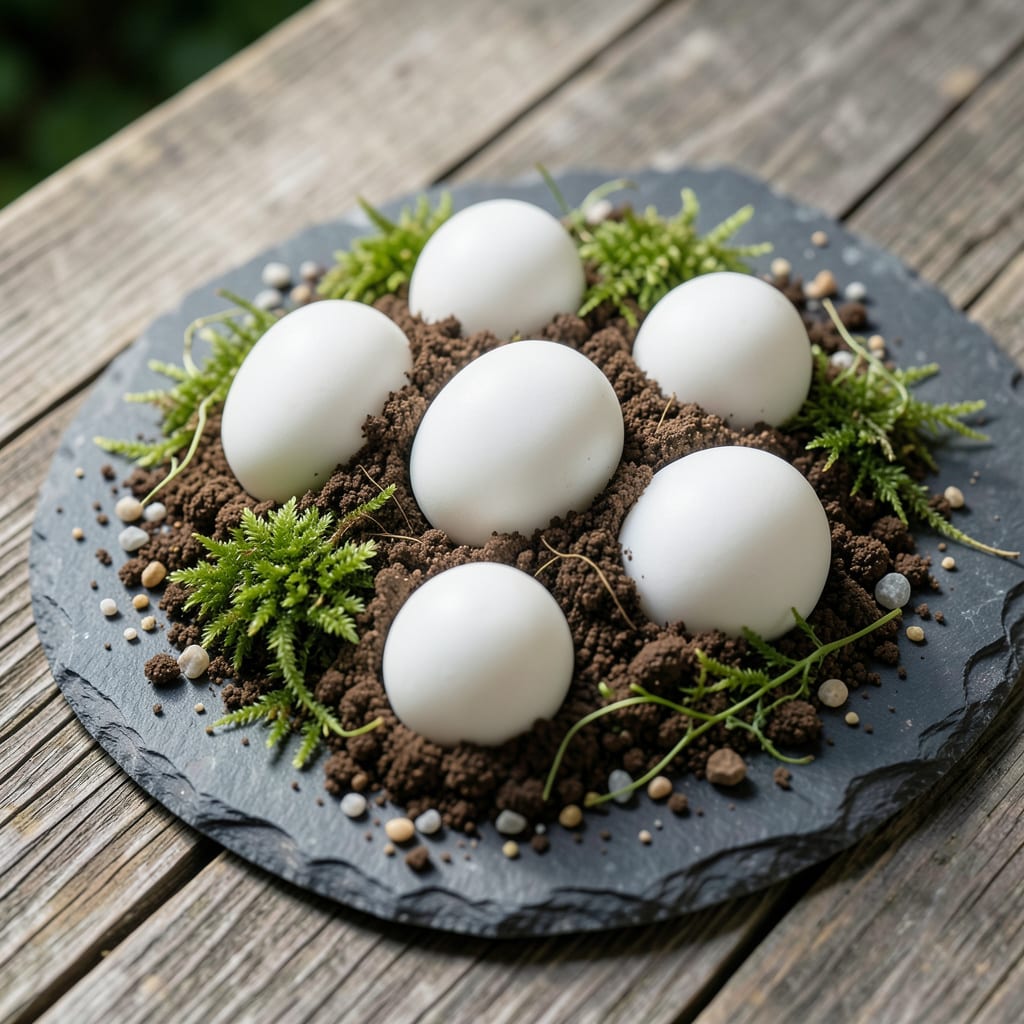
I found those mysterious white balls in my soil last spring and panicked. Turns out, they’re not always a problem—sometimes they’re just perlite or beneficial fungi.
Other times, they signal slug eggs or fungal sclerotia that could harm your plants. The key is knowing which is which before you react.
After some trial and error, I learned simple ways to identify and handle each type. The solution usually takes less than 10 minutes.
Here’s how to figure out what you’re dealing with and what to do next.
The presence of round white balls in soil can stem from several natural and biological processes. Understanding the root causes helps in addressing the issue effectively.
Many fungi, such as Sclerotinia or Elaphomyces, produce spherical sclerotia—dense, white or off-white structures that store nutrients for the fungus. These appear as small, hard balls (0.5–2 cm) in moist, organic-rich soil. Sclerotia form when the fungus senses stress or prepares for dormancy, often after heavy rains or in decaying plant matter.
Some soil-dwelling insects, like white grubs (larvae of beetles) or termite eggs, lay clusters of round, white eggs that resemble tiny balls. These are typically 1–3 mm in size and found near the surface or root zones. If left undisturbed, they hatch into larvae, which may damage plant roots.
Synthetic or organic soil additives, such as slow-release fertilizers (e.g., polymer-coated urea) or perlite, can sometimes appear as small white spheres. These are usually uniform in size and shape, unlike biological formations. Check your soil mix for added materials that might mimic natural occurrences.
Certain plants, like Dioscorea (yam) or Cyperus (sedges), produce underground bulbils or tubers that can look like white balls. These are part of the plant’s reproductive process and are often found in clusters near the parent plant’s roots.
If you’ve spotted round white balls in your soil, don’t panic—there are simple, effective fixes for each likely cause. Below, we break down solutions by issue, along with prevention tips to keep your garden healthy.
Fix: Remove the affected soil and any visible fungal balls immediately to prevent spread. Treat the area with a fungicide (copper-based or neem oil works well). For potted plants, repot with fresh, sterile soil.
Prevention: Avoid overwatering and improve drainage. 💡 Pro tip: Add organic matter like compost to boost soil health and discourage harmful fungi.
Fix: Isolate the plant and wipe down leaves/stems with a cotton swab dipped in rubbing alcohol to remove pests. For soil, apply diatomaceous earth or beneficial nematodes to target larvae. In severe cases, use insecticidal soap.
Prevention: Inspect new plants before introducing them to your garden. Keep the area clean and free of debris where pests hide.
Fix: Rinse the soil thoroughly with water to flush out excess minerals. If perlite is the culprit, mix it evenly into the soil—it’s harmless but can look like white balls when clumped.
Prevention: Use balanced fertilizers and follow label instructions. Test soil pH periodically to avoid imbalances.
Fix: Gently remove the eggs with a spoon and dispose of them in soapy water. For ant eggs, locate and treat the nest with borax baits or natural repellents like cinnamon.
Prevention: Seal entry points (cracks, gaps) and keep the garden free of food scraps that attract egg-laying pests.
Act fast, and your soil (and plants) will thank you! ✨
It depends on the cause. Fungal sclerotia or pest eggs can harm roots, while perlite or plant bulbils are harmless. Remove suspicious balls and monitor plant health closely.
Fungal balls are usually 0.5-2 cm and hard, while insect eggs are tiny (1-3 mm) and soft. Check for clusters near roots or moist areas for clues.
Only remove those that are soft, clustered, or near plant roots. Uniform, hard spheres like perlite can stay—they improve soil drainage.
Yes! Improve drainage, avoid overwatering, and use sterile soil for potted plants. Regularly inspect soil for early signs.
