
Beautiful Plants For Your Interior
Beautiful Plants For Your Interior
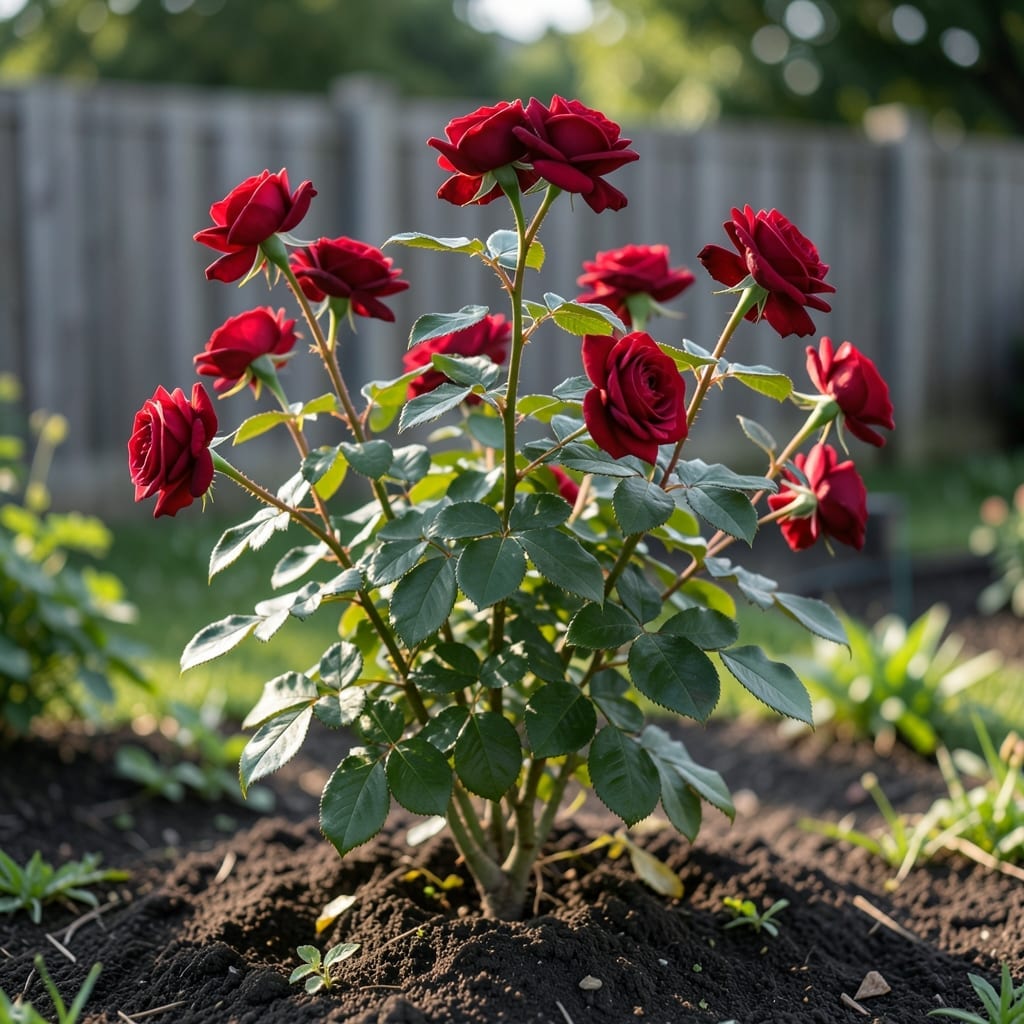
Roses are the crown jewels of any garden, but without the right sunlight, even the healthiest 🌹 may fail to produce those stunning blooms you crave. I’ve seen too many gardeners struggle with weak stems and sparse flowers simply because they underestimated this one critical factor.
Understanding their light needs can transform your garden from ordinary to extraordinary. Whether you’re growing hybrid teas or climbers, the rules for sunlight are simpler than you might think.
With just a few adjustments to their exposure, you can unlock vibrant, long-lasting blooms that become the envy of the neighborhood. The best part? It’s easier than you’d expect to get it right.
Discover how to give your roses the perfect amount of light, no matter your climate or garden setup. Let’s make those blooms thrive.

If you want your roses to thrive, sunlight is non-negotiable. Most varieties demand 6 to 8 hours of direct sun daily to produce their signature vibrant blooms. Without enough light, you’ll notice weaker stems and fewer flowers.
I’ve found that hybrid teas and floribundas perform best with full sun exposure. Even climbing roses need ample light to reach their full potential. Shade can stunt growth and reduce bloom quality.
| Rose Type | Daily Sunlight Needs | Notes |
|---|---|---|
| Hybrid Teas | 6-8 hours | Full sun for best blooms |
| Floribundas | 6-8 hours | Tolerates partial shade |
| Climbers | 6+ hours | Needs sun for vertical growth |
| Shrub Roses | 4-6 hours | More shade-tolerant |
For optimal growth, I recommend positioning your rose bushes where they can soak up morning sun. This helps dry dew quickly, reducing the risk of fungal diseases like black spot.
In hotter climates, a bit of afternoon shade can prevent petal scorch. But in cooler regions, maximum sunlight is key. I’ve seen roses struggle in shady spots, producing sparse foliage and weak stems.
If your garden lacks full sun, consider shade-tolerant varieties like ‘The Fairy’ or ‘Iceberg’. These can thrive with 4 to 6 hours of sunlight, though blooms may be less abundant.
Seasonal adjustments matter too. In early spring and late fall, roses may need every bit of light they can get. I always monitor my plants and adjust their placement if needed.
Remember, consistent sunlight is crucial. Even a few hours of shade at the wrong time can impact bloom quality. Aim for uninterrupted light during peak hours for the best results.
For container-grown roses, move pots to follow the sun. I’ve had great success with this approach, ensuring my potted roses get their daily light dose regardless of the season.
Finally, observe your garden’s sun patterns. Track how light moves across your space to find the perfect spot for your roses. A little planning goes a long way in achieving those stunning blooms we all love. ☀️
If your roses look weak or sparse, they may be begging for more light. Sunlight deficiency often shows up as long, leggy stems reaching for the sky, a clear cry for help from your plants.
Another red flag is fewer blooms than expected. Roses need energy from direct sunlight to produce those stunning flowers, so a lack of blooms usually means a lack of light.
⚠️ Warning: Pale or yellowing leaves can signal insufficient light exposure. Roses in low light often develop chlorosis, where leaves lose their vibrant green color.
Watch for weak, thin stems that struggle to support the plant. Without 6+ hours of sun, roses can’t build the strength needed to stand tall and healthy.
Disease susceptibility increases in shaded areas. Roses in low-light conditions often suffer from fungal issues like black spot or powdery mildew due to poor air circulation.
To fix this, I recommend relocating potted roses to sunnier spots or pruning nearby trees to allow more light. Even adjusting planting positions can make a big difference.
If moving isn’t an option, consider shade-tolerant varieties like ‘Zephirine Drouhin’. These thrive with 4-6 hours of sun and still produce beautiful blooms. ☀️