
Beautiful Plants For Your Interior
Beautiful Plants For Your Interior
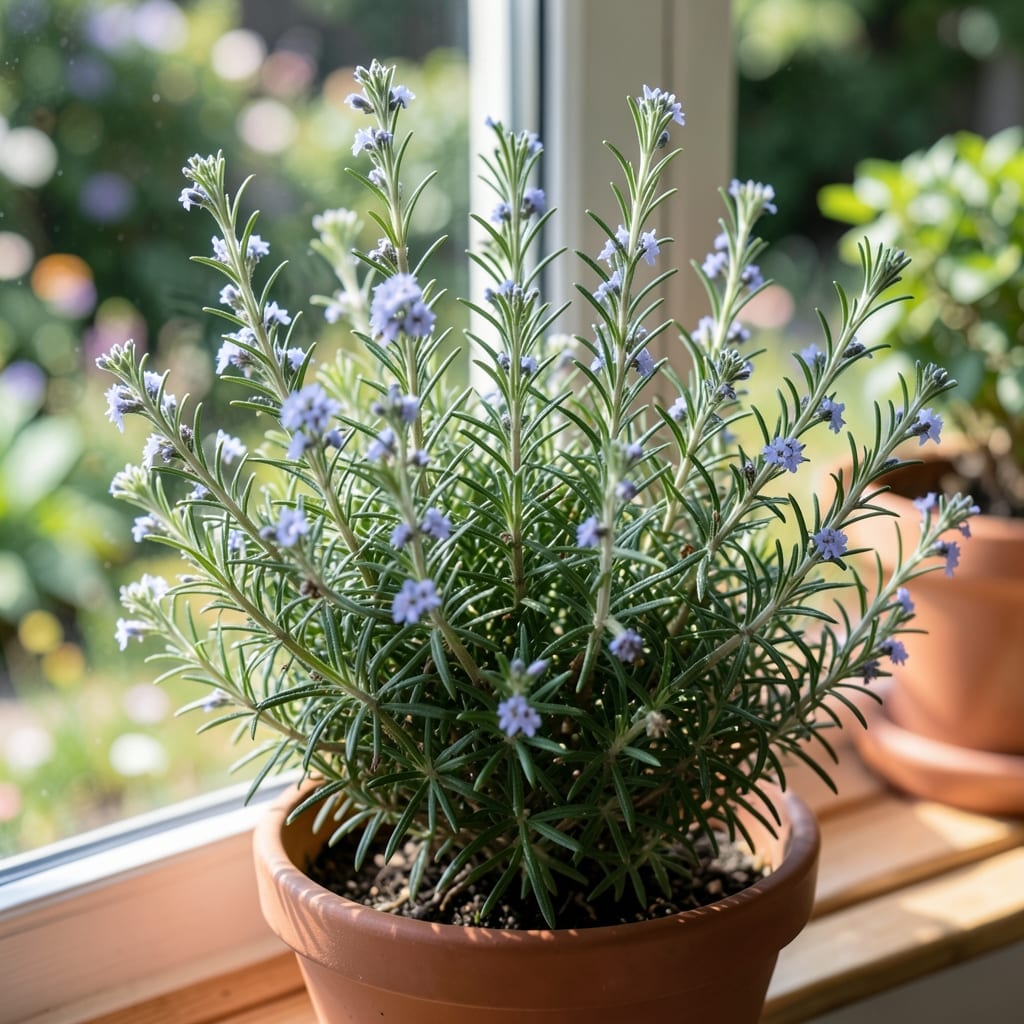
If you’ve ever watched your 🌿 rosemary wilt in summer heat or shiver through winter frosts, you know how frustrating it can be. This hardy herb thrives in a wide range of climates, but there are limits to its toughness.
I’ve learned the hard way that understanding rosemary’s temperature needs is the difference between a flourishing plant and a struggling one. Whether you’re in zones 8-10 or pushing the boundaries, knowing these thresholds is crucial.
From scorching afternoons to unexpected cold snaps, your rosemary’s survival often comes down to preparation. The good news? With the right knowledge, you can give it the best chance to thrive.
Let me show you exactly how to keep your rosemary happy, no matter what Mother Nature throws at it. You’ll discover the secrets to year-round success.
As a Mediterranean native, rosemary thrives in warm climates but can handle surprising cold. I’ve seen it flourish in USDA zones 8-10, where winters stay mild. Yet, with care, it can survive zone 7 or even zone 6 with protection. 🌿
This herb’s ideal temperature range is 70-85°F, but it tolerates 40°F nights and 100°F days if conditions are right. The key is well-draining soil and full sun to prevent stress.
Rosemary Temperature Tolerance
| Condition | Specification |
|---|---|
| Ideal Range | 70-85°F |
| Minimum Tolerance | 10-20°F (with protection) |
| Maximum Tolerance | 100°F+ (with shade) |
| USDA Zones | 8-10 (perennial), 7 (conditional) |
| Frost Sensitivity | Moderate (avoid prolonged frost) |
In my garden, upright rosemary handles heat better than prostratus varieties. The latter, often called creeping rosemary, may need afternoon shade in scorching summers. Both types hate soggy roots, so ensure excellent drainage.
Winter survival depends on root insulation. I use thick mulch or container growing to lift plants above freezing soil. In pots, I move them to sheltered spots when temps dip below 25°F.
For cold climates, consider Arp or Hill Hardy cultivars. These can endure 0°F with proper winter prep. Even then, frost cloth or burlap wraps add crucial protection during hard freezes.
Heat waves are less threatening, but drought stress can hit. I water deeply but infrequently, letting the soil dry between sessions. Early morning watering reduces evaporation and prevents leaf scorch.
Watch for yellowing leaves in extreme cold or brown tips in intense heat. These are early warning signs of temperature stress. Adjust care promptly to avoid lasting damage.
In humid regions, ensure air circulation to prevent fungal issues. Rosemary prefers dry conditions, so avoid overhead watering. A drip irrigation system works best for consistent moisture.
Whether you’re in zone 6 or zone 10, rosemary’s adaptability makes it a garden staple. Just respect its Mediterranean roots and provide the conditions it loves. ✂️
When temperatures drop below 20°F, even hardy rosemary needs protection. I always mulch heavily with straw or pine needles to insulate the roots. For container-grown rosemary, move pots indoors near a sunny window.
In scorching heat above 90°F, rosemary can suffer. I use shade cloth to filter intense afternoon sun and ensure consistent moisture without waterlogging. Well-draining soil is non-negotiable in both extremes.
For unexpected frosts, I drape frost blankets over my rosemary in the evening, removing them during the day. This simple step has saved my plants from cold damage multiple times.
In hot climates, I’ve found that drip irrigation works best. It keeps the root zone moist without wetting the foliage, which can lead to fungal issues in high humidity.
Remember, rosemary in containers is more vulnerable to temperature swings. I always use light-colored pots to reflect heat and group them together for added insulation.
With these strategies, your rosemary can handle both extremes like a champion. I’ve seen my plants thrive through heatwaves and cold spells alike 🌿