
Beautiful Plants For Your Interior
Beautiful Plants For Your Interior
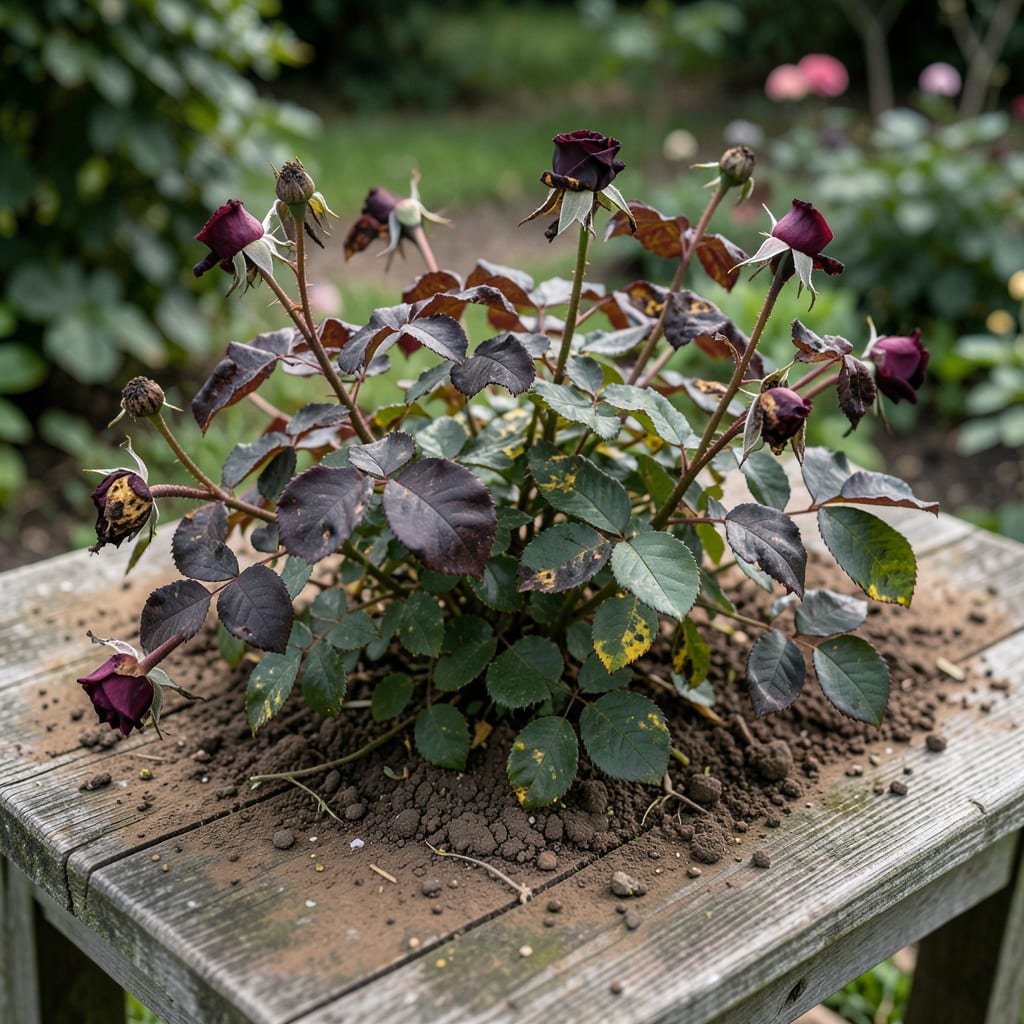
Black spots on rose thorns caught my eye last season. Turns out, these aren’t just ugly—they’re often the first sign of a serious fungal issue that can spread to the whole bush if ignored.
I learned the hard way that thorn discoloration, swelling, or unusual growths usually mean trouble. Most cases stem from poor air circulation or wet foliage, creating the perfect environment for spores to take hold and multiply.
Catching it early makes all the difference. Once you know what to look for, you can remove affected canes and treat the plant before the disease spreads to healthy wood and leaves.
The fix often involves simple adjustments to watering habits and plant spacing. With the right approach, your roses can bounce back healthier than before.
Rose bush thorn disease doesn’t appear out of thin air—it’s usually the result of specific environmental, biological, or cultural factors. Understanding the root causes helps you prevent and manage the issue effectively.
Extreme weather conditions, such as prolonged drought, excessive rain, or sudden temperature swings, weaken the rose bush’s natural defenses. Drought-stressed plants are more susceptible to fungal and bacterial infections, which can manifest as discoloration, lesions, or abnormal growth on thorns. Poor drainage can also lead to root rot, indirectly affecting thorn health by depriving the plant of essential nutrients.
Fungal pathogens like Diplocarpon rosae (causing black spot) or bacterial agents such as Xanthomonas spp. can infect thorns through wounds or weak points. These microbes thrive in humid, poorly ventilated conditions, spreading via water splashes or contaminated pruning tools. Infected thorns may develop dark spots, cankers, or a powdery coating, signaling an active infection.
Improper pruning, over-fertilization, or crowded planting can create entry points for disease. Pruning at the wrong time (e.g., wet seasons) leaves fresh cuts vulnerable to spores. Excess nitrogen promotes lush foliage but weakens thorn resilience, while overcrowding reduces airflow, fostering a moist microclimate ideal for pathogens. Always sterilize tools and space plants adequately to mitigate these risks.
Dealing with thorn-related problems on your rose bushes? Here’s how to tackle each cause with simple, effective fixes—and keep your garden thriving.
If thorns are discolored, brittle, or oozing, a fungal or bacterial infection may be to blame. Prune affected canes immediately, cutting 2–3 inches below the damaged area with sterilized shears. Apply a copper-based fungicide or neem oil to prevent spread. For severe cases, remove and burn the infected plant to protect others.
Prevention tip: 💡 Improve airflow by spacing plants properly and watering at the base to avoid wet foliage.
Thorns weakened by pests like aphids or borers can break or rot. Spray with insecticidal soap or introduce beneficial insects like ladybugs. For borers, remove affected canes and apply a systemic insecticide if needed.
Prevention tip: 🎯 Inspect stems regularly and keep the garden free of debris where pests hide.
Ragged or improper cuts can invite disease. Always prune at a 45-degree angle, ¼ inch above a healthy bud, using clean, sharp tools. Seal large cuts with pruning paste to deter pests and moisture.
Prevention tip: ✨ Sterilize tools between plants with rubbing alcohol to avoid cross-contamination.
Weak thorns may signal poor soil health. Test your soil and amend with compost or a balanced rose fertilizer (10-10-10). Yellowing leaves? Add iron or magnesium supplements.
Prevention tip: 🌡️ Feed roses monthly during growing season and mulch to retain moisture.
Yes, fungal spores can travel via wind, water, or contaminated tools. Isolate infected roses and sterilize pruners between cuts to prevent spreading to healthy plants.
Disease causes discoloration, lesions, or unusual growths on thorns. Physical damage appears as clean breaks or dry, brown edges without other symptoms.
Prune on a dry, sunny day to help wounds heal quickly. Avoid wet conditions when spores spread easily. Always cut 2–3 inches below visible damage.
Yes! Disease-resistant varieties like ‘Knock Out’ or ‘Earth-Kind’ roses have stronger natural defenses. Check with local nurseries for the best options in your area.
