
Beautiful Plants For Your Interior
Beautiful Plants For Your Interior
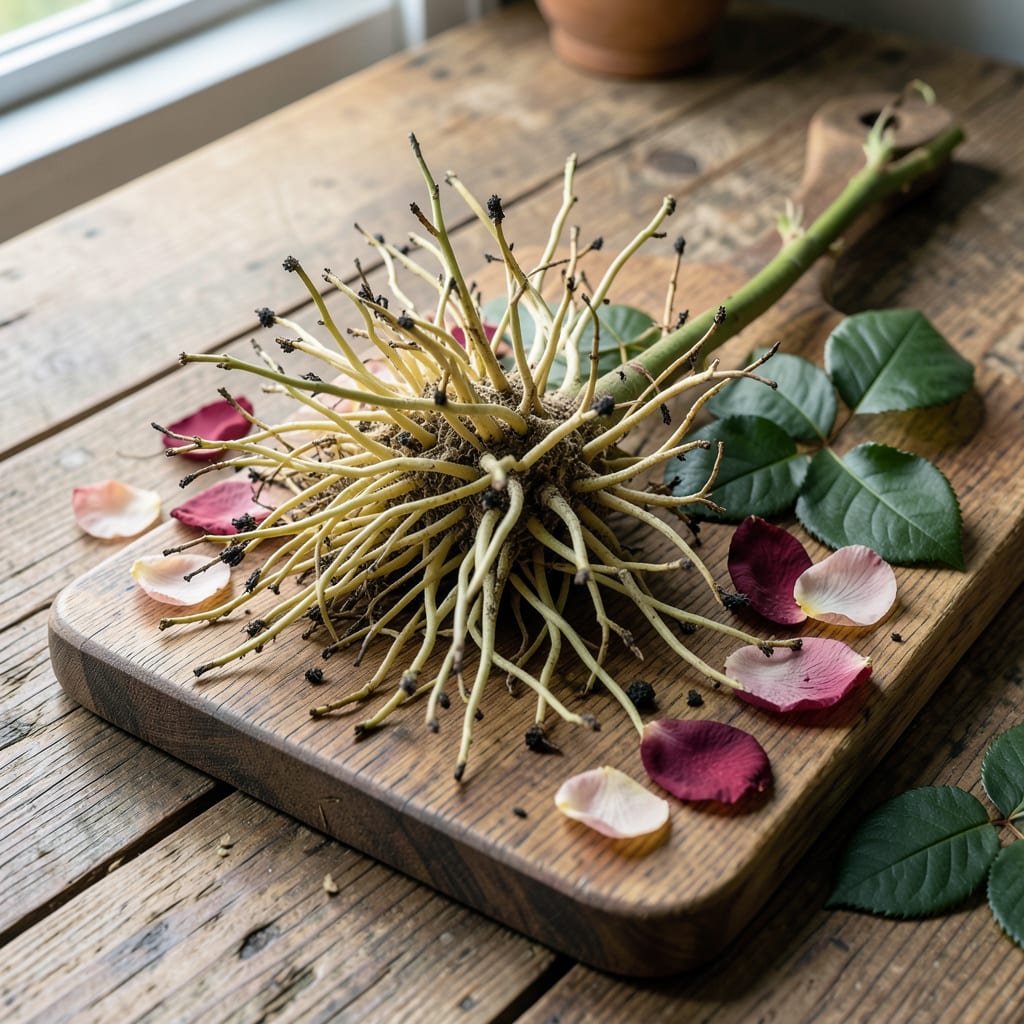
I first noticed witches broom on my roses last spring—dense clusters of spindly, weak stems shooting from a single point. It looked like a bird’s nest had taken over my plants. The growth was stunted, pale, and clearly unnatural.
This disease spreads fast, often through infected tools or contaminated soil. I learned the hard way that catching it early makes all the difference. Left unchecked, it can weaken the entire bush and reduce flowering significantly.
Organic treatments work surprisingly well here. Pruning infected branches 2-3 inches below the swelling stops the spread. Disinfect tools between cuts with rubbing alcohol to prevent contamination.
Prevention is simpler than cure. Keep your roses healthy with proper spacing and airflow, and always clean up fallen debris. Strong plants resist disease better than stressed ones.
Witches’ broom in rose bushes is a fascinating yet alarming condition where clusters of small, weak shoots sprout from a single point, resembling a witch’s broom. This abnormal growth is typically triggered by specific pathogens or environmental stressors. Below are the primary causes, explained with scientific precision.
One of the most common culprits is the Taphrina genus of fungi, particularly Taphrina deformans. This fungus infects the rose bush, disrupting normal cell division and causing excessive branching. The fungus thrives in wet, humid conditions, making poor air circulation a major risk factor.
Bacteria like Agrobacterium tumefaciens can also induce witches’ broom. This bacterium introduces a segment of DNA (Ti plasmid) into the plant’s cells, altering their growth hormones (auxins and cytokinins). The result is uncontrolled, dense shoot proliferation at the infection site.
Certain pests, such as mites or aphids, can transmit viruses or directly stress the plant, leading to abnormal growth patterns. For example, the rose rosette virus, spread by the Phyllocoptes fructiphilus mite, is a known cause of witches’ broom symptoms in roses.
In rare cases, spontaneous genetic mutations in the rose bush’s meristematic tissue can cause uncontrolled cell division. These mutations may be triggered by environmental stressors like extreme temperatures or chemical exposure, leading to the characteristic broom-like growth.
If your rose bush is showing signs of witches’ broom, act quickly to restore its health. Below are targeted solutions based on the most common causes, along with prevention tips to keep your garden thriving. 🌹
If the broom-like growth is caused by a fungal pathogen (e.g., Taphrina or Coniothyrium):
💡 Prevention: Improve air circulation by spacing plants 3–4 feet apart. Water at the base (not overhead) to reduce fungal spread.
Mites, aphids, or leafhoppers can trigger abnormal growth. Here’s how to fight back:
💡 Prevention: Inspect your rose bushes weekly for early signs of pests. Companion planting with garlic or marigolds can deter invaders.
If witches’ broom stems from chemical exposure:
💡 Prevention: Avoid using herbicides on windy days, and opt for organic weed control methods near your roses.
For non-pathogenic brooming (rare but possible):
💡 Prevention: Choose disease-resistant rose varieties (e.g., ‘Knock Out’ or ‘Earth-Kind’ roses) to minimize risks.
Consistency is key—stick to a treatment plan and prioritize prevention to enjoy vibrant, healthy roses for years to come!
Yes, some causes like fungal pathogens or mites can spread. Always disinfect tools and remove infected material immediately to protect nearby plants.
If most of the plant is affected, removal may be necessary. For partial infections, aggressive pruning 6 inches below the broom and fungicide treatment can help.
Improve airflow, avoid overhead watering, and choose resistant varieties. Regular inspections catch issues early before they spread.
