
Beautiful Plants For Your Interior
Beautiful Plants For Your Interior
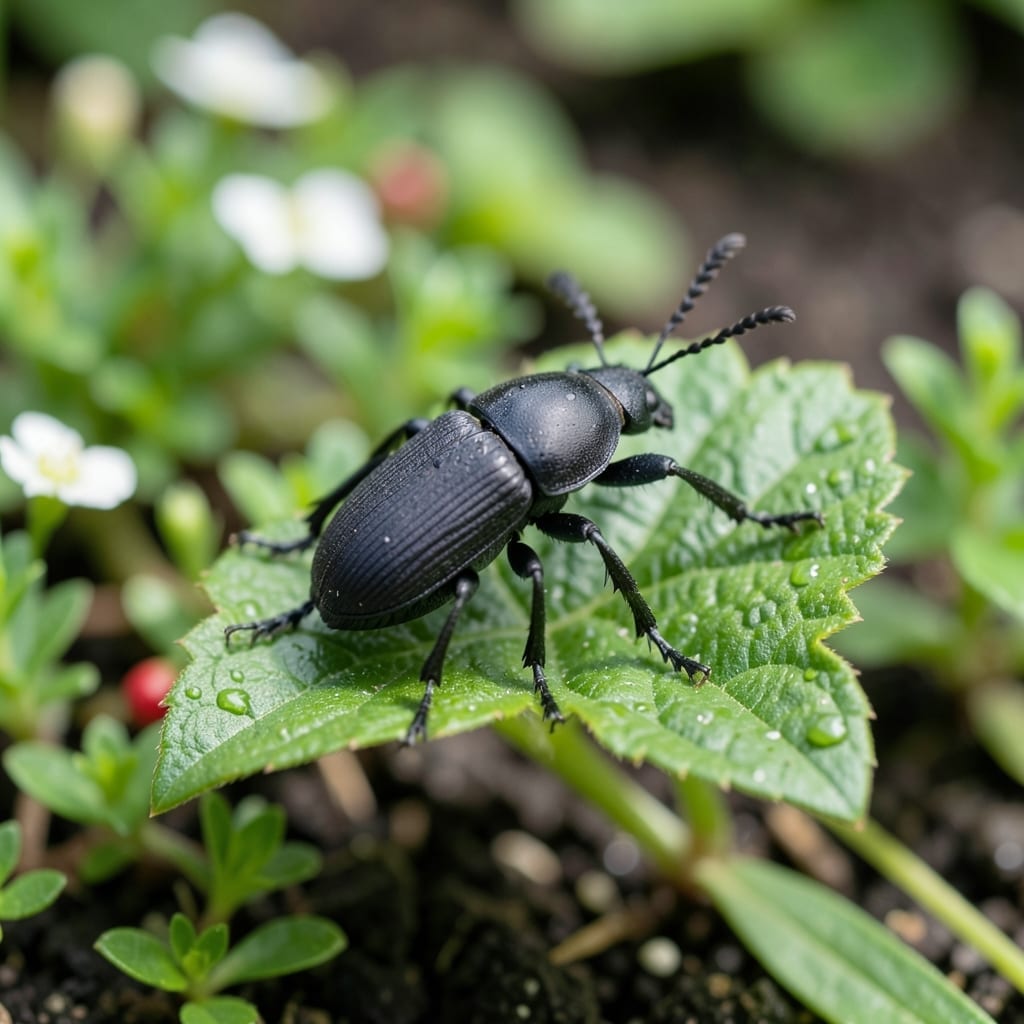
Noticed jagged leaf notches on your plants overnight? Root weevils might be the culprits. These nocturnal pests chew foliage at night while their larvae destroy roots underground, slowly killing your plants from both ends.
I lost an entire row of strawberries to these pests before learning the organic solutions that actually work. The key is catching them early and using a combination of trapping, beneficial nematodes, and targeted sprays that won’t harm your garden’s ecosystem.
You’ll see fresh growth return within 2-3 weeks of consistent treatment, with plants showing renewed vigor as the infestation subsides. The organic approach builds long-term resistance rather than just knocking down the current generation.
Works for ornamental plants, berries, and vegetables alike. Here’s the battle plan.
Root weevils don’t just appear out of nowhere—they’re drawn to your garden for specific, often preventable reasons. Understanding these causes helps you stop infestations before they start. Below are the primary triggers behind their unwelcome visits.
Root weevils thrive in soggy, oxygen-depleted soil. Overwatering or compacted earth with poor drainage creates the perfect breeding ground. The larvae, which feed on roots, require moist conditions to survive. Fix this by improving soil structure with organic matter (like compost) and ensuring proper drainage.
While mulch retains moisture and suppresses weeds, thick layers of wood chips or straw can harbor adult weevils and their eggs. These pests lay eggs in decaying plant material, and excessive mulch provides both food and shelter. Use mulch sparingly (1–2 inches max) and keep it a few inches away from plant stems.
Root weevils often hitch a ride on infested nursery plants or unsterilized soil. If you’ve recently introduced new plants or garden soil without inspection, you may have accidentally invited them in. Always quarantine new plants for 2–3 weeks and use pasteurized soil for seedlings.
Growing the same plant species in large, dense clusters (e.g., a single type of berry bush or ornamental) creates a buffet for root weevils. These pests target specific hosts, so diversifying your garden with companion plants disrupts their life cycle. Interplant with weevil-repellent species like garlic, marigolds, or thyme.
Addressing these root causes (pun intended) slashes the risk of infestation and reduces the need for reactive root weevil treatment later.
Root weevils can wreak havoc on your garden, but don’t worry—there are effective solutions to reclaim your plants’ health. Below, we break down the most common causes and their fixes, plus prevention tips to keep these pests at bay.
Root weevils thrive in soggy conditions. If your soil stays waterlogged, amend it with organic matter like compost or sand to boost drainage. Raise plant beds or use containers with drainage holes to prevent standing water. Pro tip: 💡 Water only when the top inch of soil feels dry.
Healthy plants resist pests better. Apply neem oil or insecticidal soap to foliage and roots to deter weevils while nourishing your plants. For severe infestations, use beneficial nematodes (like Heterorhabditis bacteriophora) to target larvae in the soil. Prevention: ✨ Rotate crops and remove plant debris to break the weevil life cycle.
If weevils have already taken hold, handpick adults (they’re slow-moving and easy to spot at night) and drop them into soapy water. For larvae, solarize soil by covering it with clear plastic for 4–6 weeks to kill pests with heat. Pro tip: 🎯 Replace heavily infested soil with fresh, sterile mix to start anew.
Encourage predatory insects like ground beetles, rove beetles, and parasitic wasps, which feed on weevil larvae. Plant companion flowers such as marigolds or alyssum to attract these helpers. Prevention: 🌡️ Avoid broad-spectrum pesticides that harm beneficial bugs.
Apply neem oil or insecticidal soap every 7-10 days for active infestations. For prevention, monthly treatments are sufficient. Always apply in the evening to avoid harming beneficial pollinators.
Only after thorough treatment. Solarize soil for 4-6 weeks or replace the top 6 inches with fresh, sterile mix. Never reuse untreated infested soil.
Strawberries, rhododendrons, and azaleas are prime targets. Also watch for damage on yew, hemlock, and blueberries. Diversify with resistant plants like marigolds.
You’ll see fewer notched leaves within 2-3 weeks. Check soil at night with a flashlight for adult activity. New growth is the clearest sign of success.