
Beautiful Plants For Your Interior
Beautiful Plants For Your Interior
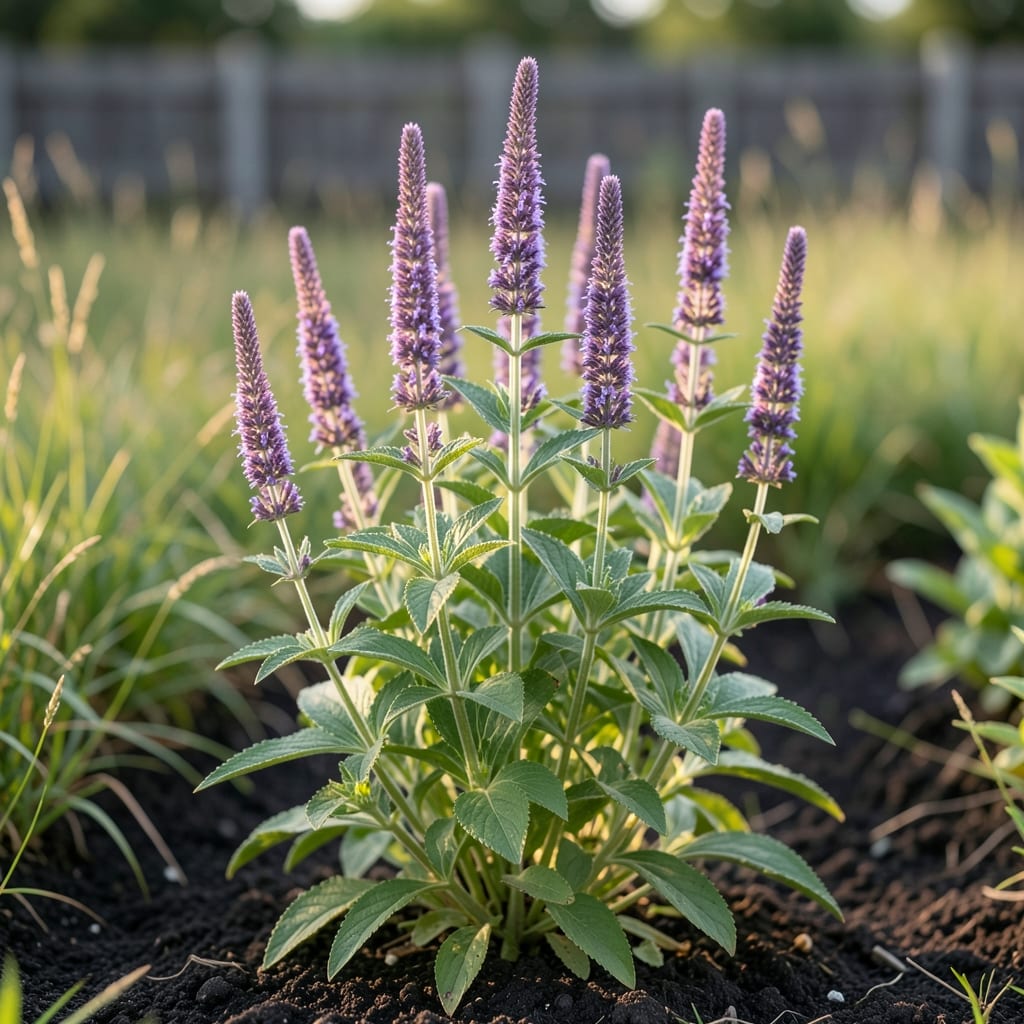
That root beer scent in your garden isn’t magic—it’s hyssop. This hardy perennial brings pollinators by the dozens with its fragrant spikes and low-maintenance nature.
I’ve watched bees and butterflies swarm mine all summer. It thrives in full sun, tolerates poor soil, and spreads just enough to fill gaps without taking over. Perfect for borders, pollinator patches, or that one dry spot nothing else likes.
📚 In This Guide
These insights will help you grow vibrant, thriving plants with minimal effort.
Light Requirements: While this plant tolerates partial shade, aim for that 6+ hours of sunlight daily for the most abundant blooms. I’ve found that afternoon sun works particularly well, as it dries the foliage quickly, reducing the risk of fungal issues. If your garden has limited sunlight, prioritize morning sun over late-day shade.
Soil Preparation: The drainage test in Step 1 is non-negotiable. Dig that 12-inch-deep hole, fill it with water, and if it doesn’t drain within an hour, amending with 2-3 inches of organic matter is essential. Root beer hyssop hates wet feet, so if your soil is heavy clay, consider raised beds for better drainage and root health.
Watering Wisdom: Once established, the once a week watering rule during dry spells is a guideline, not a rigid schedule. Check the top inch of soil—if it’s dry, it’s time to water. Overwatering is a bigger risk than underwatering with this drought-tolerant plant, so when in doubt, wait an extra day.
Pruning for Success: Don’t overlook the pruning steps in Step 4. Pinching back at 6 inches tall encourages branching, leading to a bushier, more floriferous plant. And that late-fall cutback to 2-3 inches above the soil line might feel drastic, but it prevents disease and ensures vigorous regrowth in spring. Trust the process.
Root beer hyssop (Agastache foeniculum) is a fragrant herb with licorice-anise scented leaves, reminiscent of root beer. Its common name comes from its historical use in flavoring root beer and its strong, sweet aroma.
Plant in early spring after the last frost or in fall, 6-8 weeks before the first frost. It thrives in full sun to partial shade and well-drained soil, making it a hardy perennial in USDA zones 3-9.
Yes! Use a large pot (12+ inches deep) with good drainage. Ensure it gets 6+ hours of sunlight daily and water moderately. Container-grown hyssop may need winter protection in colder climates.
Wilting often signals underwatering or root rot from poor drainage. Check soil moisture—it should be dry 1-2 inches down before watering. If the soil is soggy, improve drainage or repot the plant.
Pair it with pollinator-friendly plants like bee balm, coneflowers, or black-eyed Susans. Avoid aggressive spreaders like mint, which can compete for space and nutrients.