
Beautiful Plants For Your Interior
Beautiful Plants For Your Interior
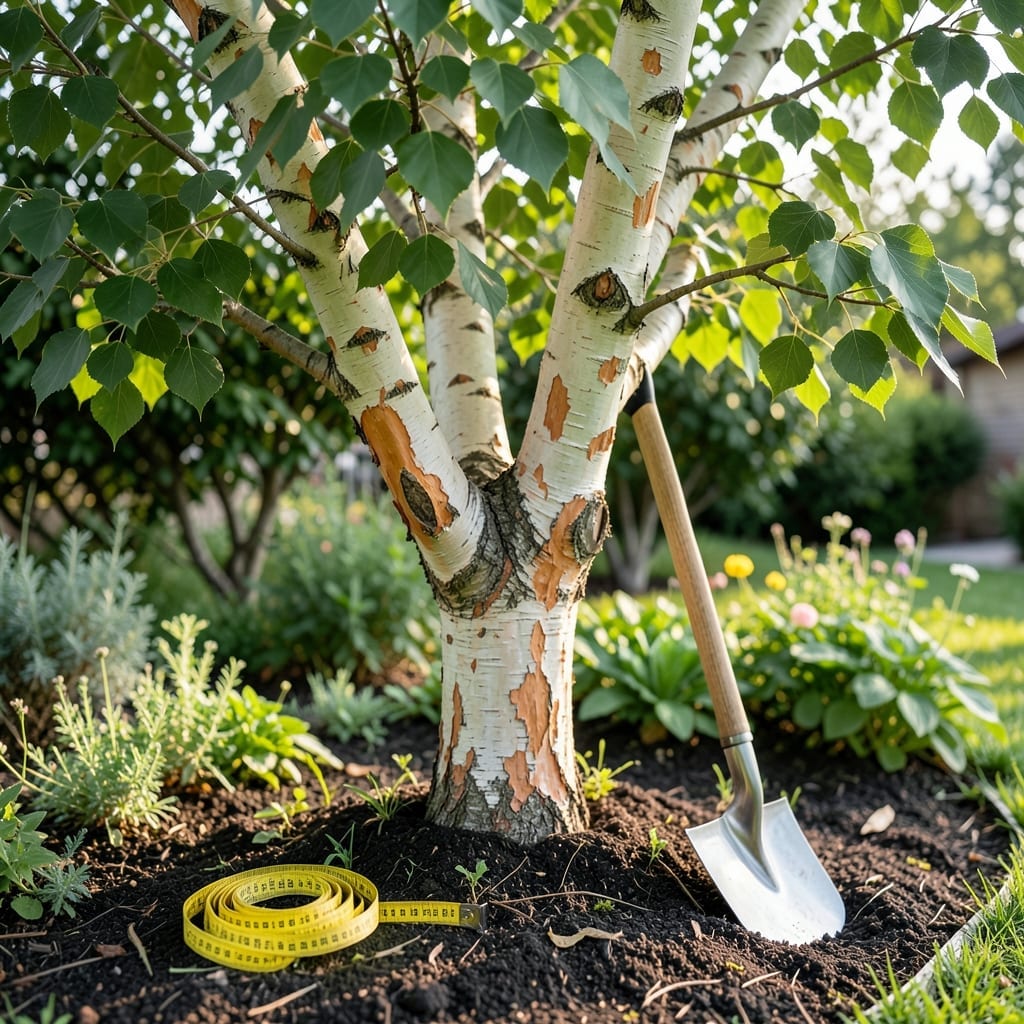
Proper river birch spacing is the key to a thriving, disease-resistant tree that enhances your landscape for decades. Plant them too close, and you risk stunted growth, fungal issues, and a crowded canopy.
The 🌳 River Birch can reach 40-70 feet tall with a wide spread, so giving it enough room is non-negotiable. Whether you’re planting a single specimen or creating a grove, spacing impacts everything from root development to sunlight access.
I’ve seen too many landscaping mistakes from improper spacing. Discover how to avoid these pitfalls and set your trees up for long-term success in zones 4-9. It’s easier than you think.
Let me walk you through the exact distances you need for healthy, vibrant River Birches that will stand tall for years to come.
Getting river birch spacing right is crucial for healthy growth and a stunning landscape. These trees can reach 40-70 feet tall with a 30-40 foot spread, so proper spacing prevents future issues.
For single specimen trees, I recommend planting them 20-30 feet from other trees or structures to allow for full maturity without competition.
| Landscape Use | Minimum Distance | Recommended Distance |
|---|---|---|
| Single Specimen | 15 feet | 20-30 feet |
| Hedge/Cluster | 10 feet | 12-15 feet |
| From Structures | 15 feet | 20+ feet |
| Property Lines | 10 feet | 15+ feet |
For a natural cluster or hedge, you can plant river birches closer together, about 12-15 feet apart. This creates a dense, beautiful screen while still allowing for healthy growth.
Always consider the mature size of your specific variety. Some dwarf cultivars may need less space, but most standard river birches require ample room to thrive.
If you’re planting near buildings or driveways, I suggest maintaining at least 20 feet of distance to prevent root damage to foundations or pavement over time.
Don’t forget about underground utilities! Before digging, call your local utility company to mark lines. Planting too close to these can cause serious problems as the tree matures.
Soil conditions also play a role in spacing. In poor or compacted soil, roots may spread further in search of nutrients, requiring extra space between trees.
For multi-trunk river birches, which naturally grow in clumps, I’ve found that 15-20 feet between clumps works well for most landscapes.
Remember that proper spacing isn’t just about the tree’s width—it’s also about root system development and air circulation to prevent disease.
When in doubt, give them more space rather than less. You can always fill gaps with smaller plants, but you can’t easily fix trees that are planted too close together.
I’ve seen too many river birch trees struggle because of improper spacing. Crowding them together leads to root competition and disease spread, especially in damp conditions. Always consider their mature size of 40-70 feet tall and wide. 🌳
Another common error is planting too close to structures or utility lines. Roots can damage foundations, and branches may interfere with power lines. Keep them at least 20 feet from buildings and 30 feet from overhead utilities.
⚠️ Avoid These Spacing Pitfalls
Planting river birches in wet, poorly drained soil without spacing adjustments can cause root rot. Always test your soil and adjust spacing for optimal drainage.
Ignoring soil conditions is another mistake. River birches thrive in moist, acidic soils, but compacted or clay-heavy soil requires wider spacing to prevent waterlogging. Test your soil’s pH and drainage before planting.
Don’t overlook companion plants. If you’re mixing river birches with shrubs or perennials, ensure they have compatible water needs. Drought-tolerant plants may suffer next to thirsty birches, so plan accordingly.
For hedge-style plantings, space river birches 15-20 feet apart for a dense screen, but expect more maintenance to manage competition. In clusters, 25-30 feet apart allows for natural growth without overcrowding. ✂️
Finally, remember that multi-stem varieties often need slightly more space than single-trunk types. Their clumping habit can spread wider, so adjust your layout to accommodate their unique growth pattern. 🌿