
Beautiful Plants For Your Interior
Beautiful Plants For Your Interior
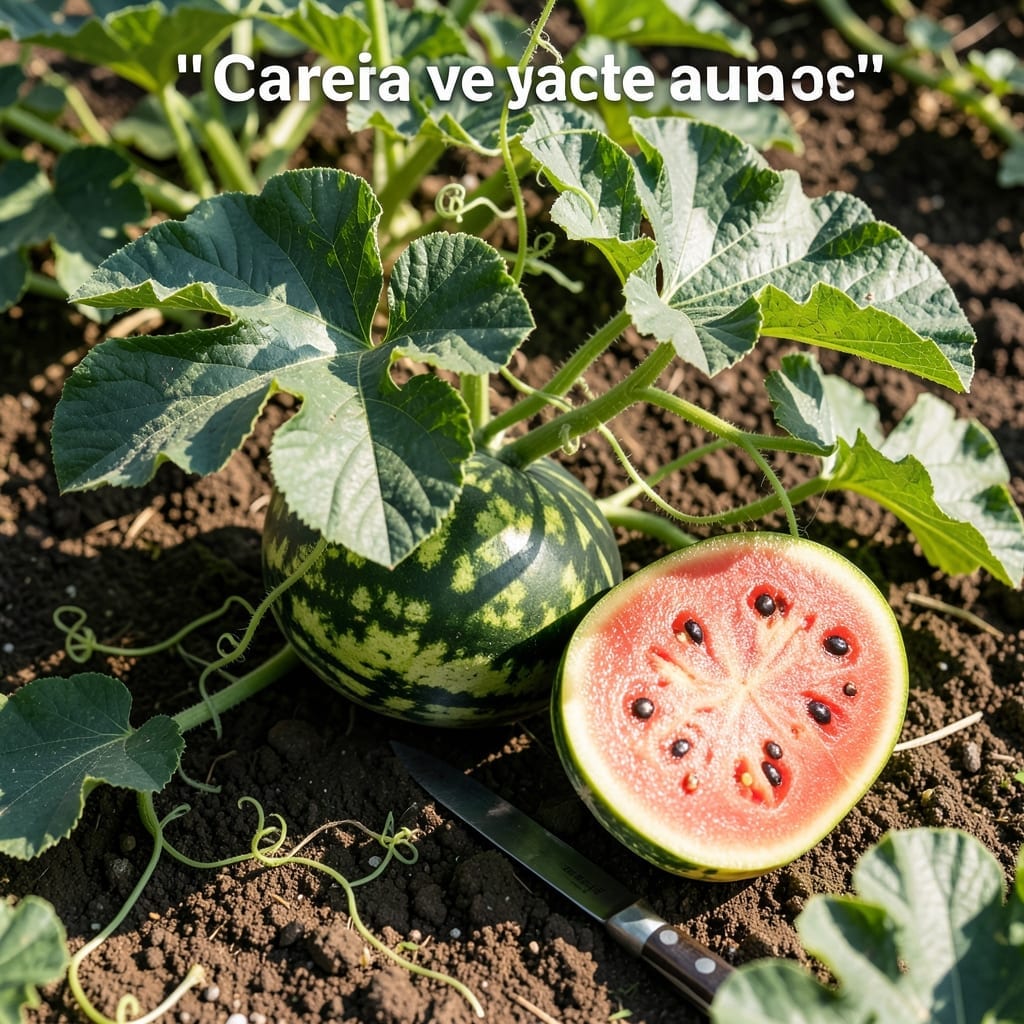
Nothing beats the disappointment of cutting into a Watermelon 🍉 only to find it underripe or overripe. We’ve all been there, staring at that pale, hard flesh when we expected juicy sweetness.
Learning the field-tested signs of a perfectly ripe Watermelon ensures every slice is worth the effort. It’s not just about size or color – there are subtler cues to watch for.
I’ll show you how to read the most important visual and physical indicators. These simple checks will transform your harvest from hit-or-miss to consistently delicious.
Discover the professional tricks that take the guesswork out of harvest time. Your taste buds will thank you for mastering these easy techniques.

I’ve learned that picking a ripe watermelon is both an art and a science. The key is knowing what to look for before you even think about harvesting. Field-tested signs can save you from the heartbreak of a bland or mealy fruit.
One of the first things I check is the field spot, which is the area where the watermelon rests on the soil. This spot should be a creamy yellow rather than white or pale green, indicating ripeness.
The tendril near the stem is another giveaway. If it’s turned brown and brittle, your watermelon is likely ready. I always double-check this because green tendrils mean it needs more time on the vine.
A dull rind is a subtle but important clue. When watermelons are ripe, their outer skin loses its shiny appearance. If it’s still glossy, it’s not quite there yet. This is one of those signs that’s easy to overlook.
I can’t stress enough how weight matters. A ripe watermelon should feel heavy for its size. This is because the fruit is packed with juice. If it feels light, it might be underripe or lacking in sweetness.
The famous thump test is a classic for a reason. Tap the watermelon with your knuckles—if it produces a deep, hollow sound, it’s ripe. A high-pitched or metallic sound means it’s not ready yet.
I’ve found that combining multiple signs gives the best results. For example, if the field spot is yellow and the tendril is brown, I’m more confident in my choice. Relying on just one sign can lead to mistakes.
Remember, the size of the watermelon isn’t always a reliable indicator. Some varieties are naturally smaller, while others can grow quite large. Focus on the other signs instead of just the dimensions.
Finally, I always recommend checking the underside of the fruit. If it’s still white or pale green, give it more time. The transition to yellow is a clear signal that it’s ready to be picked and enjoyed. 🌱
I always rely on the thump test to check my watermelons. A deep, hollow sound when tapped means it’s ripe, while a high-pitched sound signals it needs more time.
Another method I swear by is the scratch test. When I scratch the rind with my fingernail, a ripe watermelon will show a white or yellowish mark underneath.
The stem condition is another reliable indicator. When the tendril closest to the stem turns brown and brittle, it’s a clear sign of ripeness.
I also compare the field spot on my watermelons. A creamy yellow spot where it rests on the ground means it’s ready, while white or pale green means it needs more time.
For the most accurate results, I recommend combining at least two of these methods. This way, I’m confident my watermelons are at their peak sweetness before harvesting. ☀️
Remember, size and color alone aren’t reliable indicators. My largest watermelons aren’t always the ripest, so I never judge by appearance alone. 🌱