
Beautiful Plants For Your Interior
Beautiful Plants For Your Interior
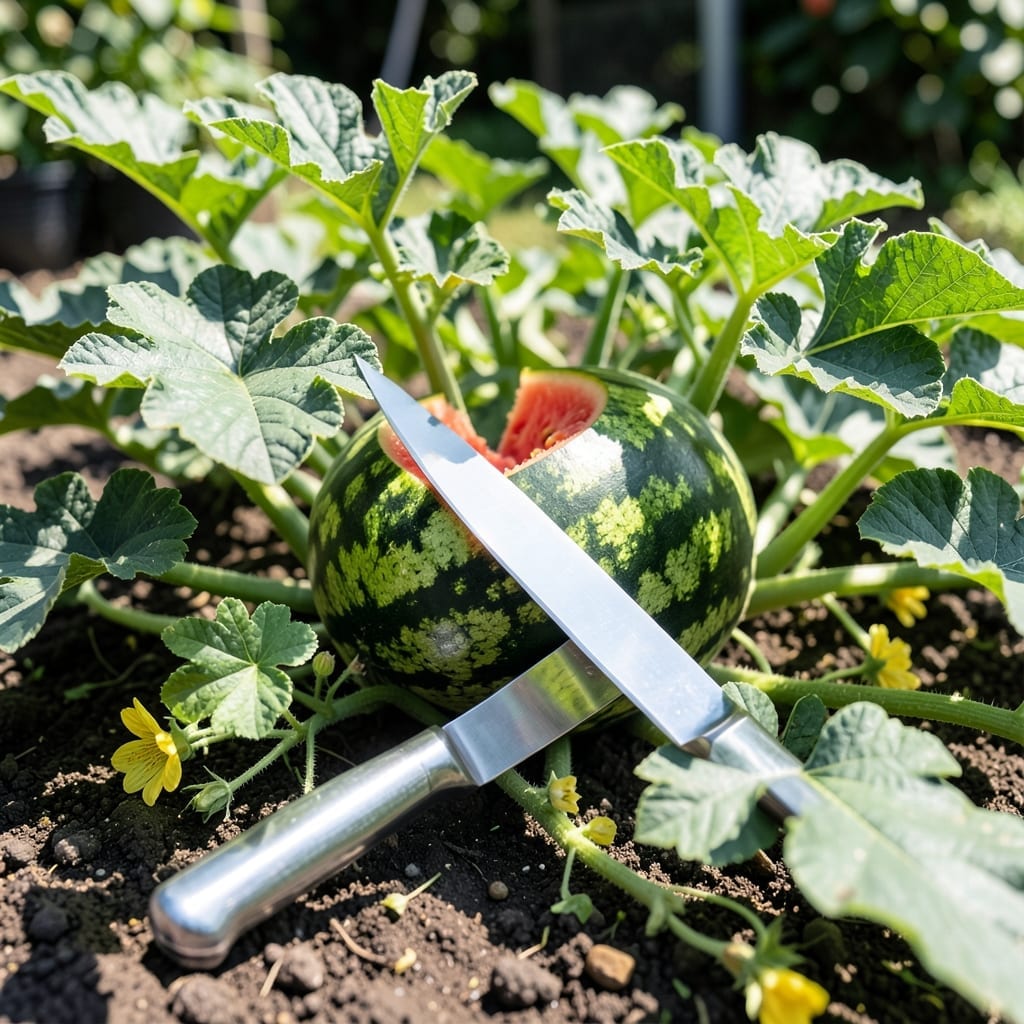
Nothing beats the disappointment of cutting into a Watermelon 🍉 only to find it underripe. That perfect sweetness you’re craving depends on catching it at just the right moment.
I’ve learned that the color tells you almost everything you need to know. From the rind’s shade to that often-overlooked ground spot, these visual cues are your guide to harvesting at peak ripeness.
Whether you’re growing in zone 6 or just picking one up at the market, knowing what to look for saves you from that all-too-common letdown. The difference between a mealy mess and juicy perfection often comes down to color.
Discover how to read these signs like a pro. Your taste buds will thank you when you nail that first, perfectly ripe bite every time.

I’ve learned that ripe watermelon color isn’t just about the rind’s hue—it’s a combination of subtle visual cues. The most reliable sign is the ground spot, where the melon touches the soil. A cream-yellow spot indicates ripeness.
Another key indicator is the rind color. Instead of a bright, shiny green, a mature watermelon develops a dull, matte finish. This change signals that the sugars inside have fully developed.
| Ripeness Indicator | Color Signal |
|---|---|
| Ground Spot | Cream-yellow |
| Rind | Dull green |
| Stem Tendril | Brown |
| Webbing | Dark, pronounced |
The stem tendril near the fruit also provides a clue. When it turns brown and dry, the watermelon is often ready. I always check this alongside the ground spot for confirmation.
Webbing patterns on the rind can be another sign. While not all watermelons develop webbing, a dark, intricate web often correlates with sweeter flesh. This is more common in heirloom varieties.
I’ve noticed that size and weight matter too. A ripe watermelon feels heavy for its size, indicating high water and sugar content. Lift a few to compare if you’re unsure.
The sound test is a classic method. Tap the watermelon with your knuckles—a deep, hollow sound means it’s ripe, while a metallic or flat sound suggests it’s not ready.
For seedless watermelons, the color cues are similar, but the ground spot may be slightly paler. I rely more on the dull rind and dry tendril for these varieties.
Always check multiple indicators. A single sign might mislead, but combining ground spot color, rind appearance, and tendril condition gives me confidence in my harvest timing.
Finally, remember that variety matters. Some watermelons naturally have lighter or darker rinds. I research the specific type I’m growing to fine-tune my ripeness checks. ☀️
I’ve seen many gardeners cut into a watermelon only to find it underripe because they missed key visual cues. One of the biggest mistakes is ignoring the ground spot, which should turn cream-yellow when ripe.
Another common error is relying solely on the rind’s shine. A dull rind often signals ripeness, while a glossy one may mean it’s not ready. Always check the underside color for the most accurate sign.
⚠️ Avoid This Mistake:
Don’t judge ripeness by the stem color alone. The tendril near the stem should turn brown and dry, not just the stem itself.
Some gardeners also overlook the webbing patterns on the rind. While not foolproof, thick webbing can indicate a sweeter melon. However, it’s not a standalone sign of ripeness.
I always remind fellow growers to combine multiple cues. The field spot, rind texture, and tendril color together give the best indication. Never rely on just one factor.
If the underside is white, the watermelon isn’t ready. A pale or green ground spot means it needs more time on the vine. Patience is key for the sweetest harvest.
Finally, remember that variety matters. Seedless types may show different color changes than traditional ones. Always research your specific watermelon variety for the best results. ☀️