
Beautiful Plants For Your Interior
Beautiful Plants For Your Interior
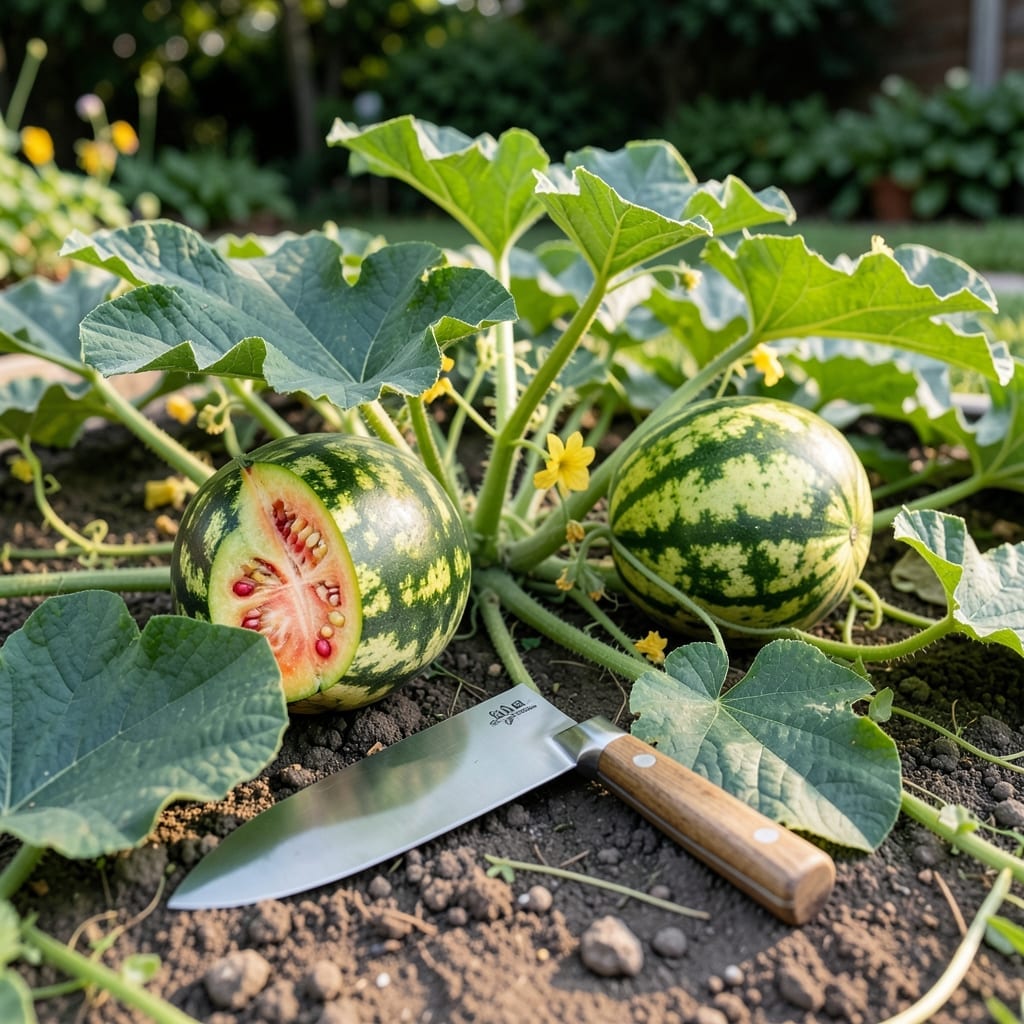
Nothing beats the crisp, sugar-sweet crunch of a perfectly ripe 🍉 Watermelon on a hot summer day. But how do you know when your homegrown melons are ready to deliver that burst of flavor?
I’ve spent countless seasons perfecting my approach, and the difference between a mediocre harvest and a sweet, juicy masterpiece comes down to timing. The signs are subtle but unmistakable once you know what to look for.
From the tendril near the stem to the sound it makes when tapped, Watermelon plants give us clear clues. These little details can mean the difference between disappointment and that first perfect bite.
Let me walk you through the field-tested tricks I use every year to ensure my Watermelons are at peak ripeness. You’ll never guess wrong again.

I’ve learned that timing the harvest is everything with watermelons. Picking too early means bland flavor, while waiting too long can lead to overripe fruit that splits open. 🌱
The good news? Your watermelon plant gives you clear ripeness signals. You just need to know where to look and what to listen for. I check mine daily as harvest time approaches.
| Ripeness Sign | What to Look For |
| Tendril Color | Brown and dry on vine near stem |
| Ground Spot | Cream or yellow where melon touches soil |
| Tapping Sound | Dull thud when gently tapped |
| Rind Texture | Resists thumbnail when pressed |
The tendril test is my go-to method. Find the curly tendril nearest the stem and watch it change from green to brown. This is nature’s way of saying your watermelon is ready. ☀️
Next, check the ground spot—the area where the melon rests on the soil. A white or pale green spot means it’s not ready. When it turns cream or yellow, you’re getting close.
The tap test takes practice but works well. Use your knuckles to tap the melon. An immature fruit sounds hollow, while a ripe one produces a dull thud. Compare sounds with known ripe melons.
For the thumbnail test, press your nail into the rind. If it resists penetration, the melon is likely ripe. If it pierces easily, give it more time on the vine.
I also look at the overall appearance. A ripe watermelon often has a duller skin color and the vines start to die back slightly. These are secondary signs that confirm my primary tests.
Remember that variety matters. Some heirloom types may show slightly different ripeness indicators. When in doubt, I harvest one and test it—if it’s perfect, I pick the rest. 🌿
Early morning is the best time to harvest. The fruit is at its crispiest and sweetest after a cool night. Use clean pruners to cut the stem, leaving about 2 inches attached to the melon.
Even experienced gardeners can unintentionally sabotage their watermelon sweetness with common oversight. I’ve learned the hard way that timing and technique matter just as much as variety selection.
One of the biggest culprits is harvesting too early when the tendril is still green. Picking before the ground spot turns cream or yellow means you’ll miss out on peak flavor development.
⚠️ Avoid these sweetness killers
Overwatering dilutes sugars, while poor soil nutrition starves the plant of essential minerals. Premature picking and improper storage can ruin weeks of careful cultivation.
Another mistake is inconsistent watering during the final weeks. Fluctuations in moisture levels can cause the fruit to split or develop a bland taste. Keep the soil evenly moist but not soggy.
Poor soil preparation is often overlooked. Watermelons need well-draining soil rich in organic matter. A soil test before planting can reveal deficiencies in potassium or phosphorus, both crucial for sweetness.
Don’t underestimate the impact of improper storage after harvest. Leaving watermelons in the hot sun for too long can cause them to overripen and lose flavor. Store them in a cool, shaded area until ready to enjoy.
Finally, ignoring pest control can lead to damaged vines and compromised fruit. Keep an eye out for aphids and cucumber beetles, which can stress the plant and reduce sugar content. ☀️