
Beautiful Plants For Your Interior
Beautiful Plants For Your Interior
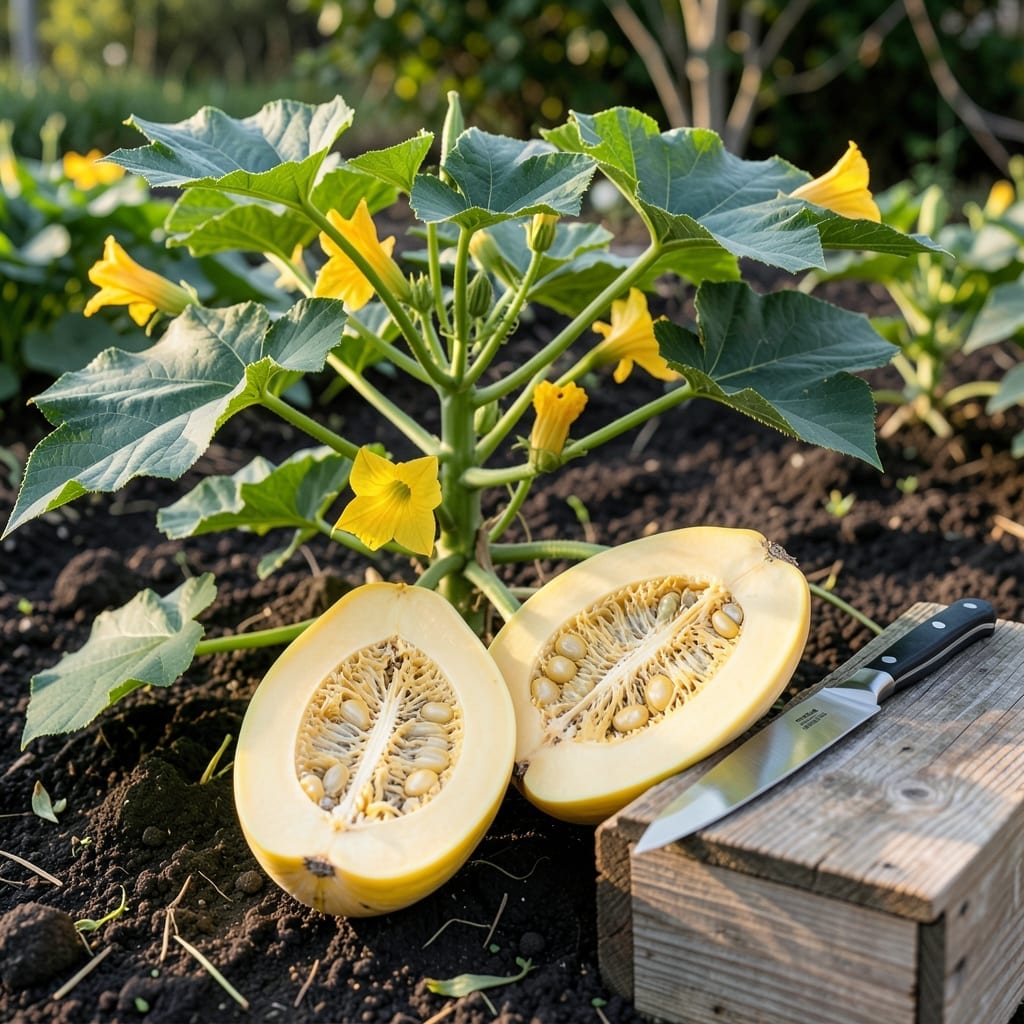
Knowing when your 🎃 Spaghetti Squash is perfectly ripe inside can mean the difference between a watery disappointment and a sweet, stringy delight.
This guide reveals the exact visual cues to look for before harvesting. You’ll never have to guess if your squash is ready again.
I’ll walk you through the most reliable indicators that signal your Spaghetti Squash has reached peak ripeness on the inside. These are the signs the pros use.
Discover how to check for that golden color and firm texture that guarantees the best flavor. Let’s get started.
I always check the internal color first when gauging ripeness. A perfectly ripe spaghetti squash inside shifts from pale white to a rich golden yellow or amber hue. This color change signals the sugars have developed fully.
The flesh should form distinct strands when scraped, resembling its namesake. If it’s still mushy or solid, it needs more time on the vine. I look for this stringy texture as the sure sign of readiness.
| Sign | What to Look For |
| Color | Golden yellow or amber flesh |
| Texture | Firm, stringy strands |
| Seed Cavity | Well-developed, dry seeds |
| Moisture | Low water content |
The seed cavity offers another clue. In ripe squash, the seeds appear fully formed and dry, rattling slightly when shaken. Immature seeds are white and soft, indicating the squash needs more growing time.
I also press the flesh gently. A ripe spaghetti squash inside feels firm and slightly dry, not watery. The strands should separate easily when scraped with a fork. This firmness indicates proper sugar development.
The thump test works surprisingly well. A mature squash produces a hollow sound when tapped, while an unripe one sounds dull. I combine this with the nail test – if my nail leaves a mark, it’s not ready.
For the most accurate check, I use a small knife to take a tiny sample. The flesh should be golden and stringy, not pale or solid. This method minimizes waste while confirming ripeness.
Remember that external signs like rind color can be misleading. Some varieties stay green when ripe, so I always verify with internal checks. The rind hardness should resist thumbnail pressure regardless of color.
I find that cool mornings are ideal for checking ripeness. The squash is firmer then, making it easier to assess texture. I also check multiple squash on the vine to compare their development stages.
Proper ripeness ensures the best flavor and texture. An overripe squash becomes mushy, while an underripe one lacks sweetness. I aim for that perfect window when the flesh is golden and stringy throughout.
With practice, you’ll recognize the subtle differences between nearly-ripe and perfectly-ripe squash. Trust your senses and these internal cues for the sweetest harvest every time.
🌿Many gardeners assume a deep yellow rind means their Spaghetti Squash is ripe inside, but that’s only half the story. I’ve seen bright orange squash with watery, underdeveloped flesh.
External signs like stem dryness or rind hardness correlate with internal ripeness, but they’re not foolproof. That’s why I always recommend combining these with internal checks.
The rind hardness test is my go-to first check. If I can’t puncture it with my thumbnail, it’s likely ripe. But I always follow up with a small cut to verify the internal texture.
Remember, vines dying back is a late sign. By then, some squash may be overripe. I check individual fruits rather than relying on vine appearance alone.
For the most accurate results, I use the thump test. A ripe Spaghetti Squash will sound hollow when tapped, indicating the internal moisture has reduced and the flesh has developed properly.
Always harvest in the morning when the squash is most firm. This gives you the best chance to catch it at peak ripeness inside and out. ☀️