
Beautiful Plants For Your Interior
Beautiful Plants For Your Interior
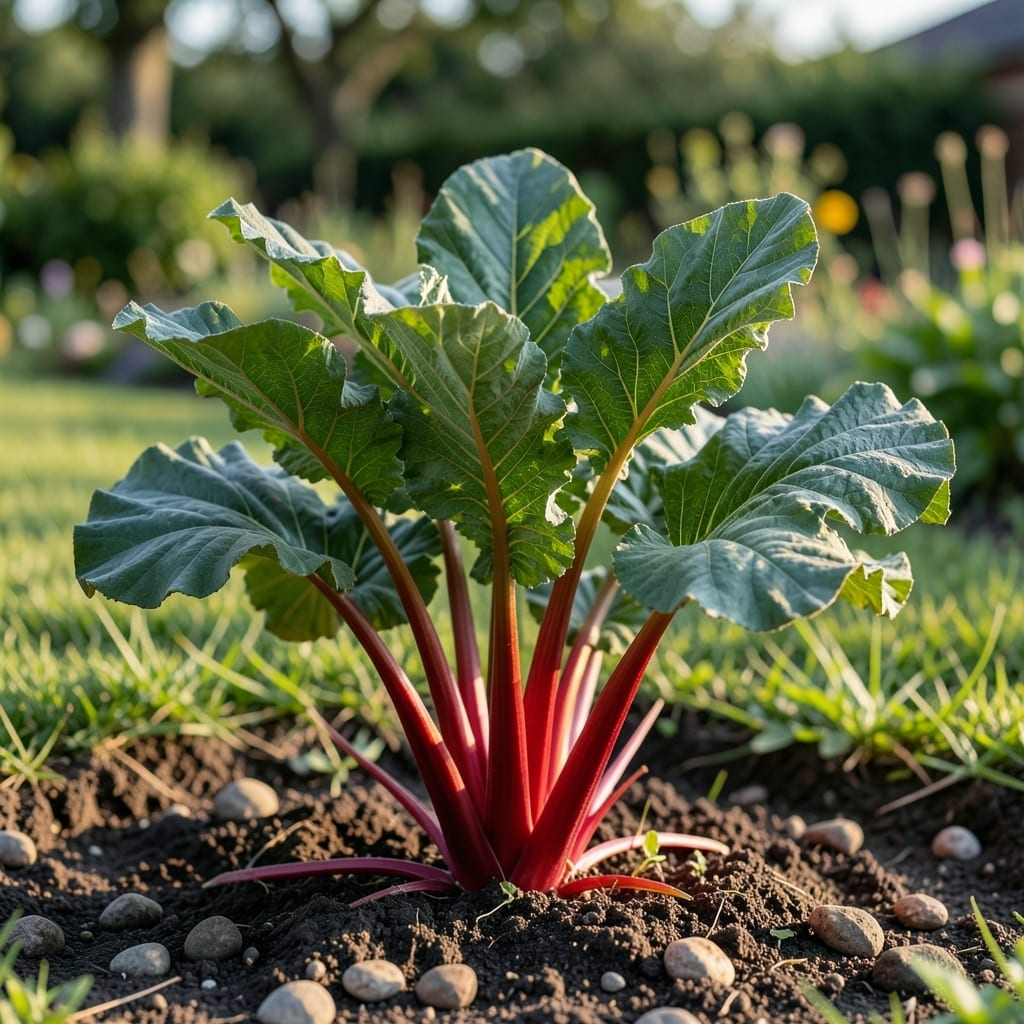
Picture this: you’ve planted your 🥬 Rhubarb, but the stalks look weak and the leaves seem small. The problem might be simpler than you think—it’s all about the sunlight.
Getting the light conditions right can mean the difference between a thriving plant and a struggling one. Rhubarb isn’t overly picky, but it does have specific needs to produce those vibrant, healthy stalks.
I’ve seen gardeners make the mistake of either giving their Rhubarb too much or too little sun. The good news? With a few adjustments, you can create the perfect environment for your plant to flourish.
Discover how to balance sun exposure for maximum growth, whether you’re in zone 3-8 or growing in containers. Let’s set your Rhubarb up for success.

I’ve found that rhubarb thrives best with 6-8 hours of sunlight daily. This plant isn’t overly picky, but it does need consistent light to produce those thick, vibrant stalks we all love. In my garden, I notice a clear difference in growth when it gets full sun versus partial shade.
While full sun is ideal, rhubarb tolerates partial shade, especially in hotter climates. However, less than 6 hours of sunlight often leads to leggy stalks and smaller leaves. If you’re in a cooler region, aim for the higher end of that range to maximize growth.
| Requirement | Specification |
|---|---|
| Ideal Sunlight | 6-8 hours daily |
| Light Type | Full Sun to Partial Shade |
| Stalk Growth | Thicker in full sun |
| Leaf Size | Larger with more light |
| Climate Adjustment | Partial shade in heat |
In my experience, morning sunlight is particularly beneficial for rhubarb. It’s less intense than afternoon sun, which can sometimes scorch the leaves in very hot areas. If you’re in USDA zones 7-8, consider providing afternoon shade during peak summer to prevent stress.
For gardeners in cooler climates (zones 3-5), maximizing sunlight is key. I’ve seen rhubarb struggle in shady spots, producing thin, weak stalks. If your garden has limited sun, prioritize the sunniest spot for your rhubarb patch.
If you’re growing rhubarb in containers, sunlight needs don’t change, but you’ll need to be more proactive. I move my pots to follow the sun, ensuring they get those 6-8 hours. A south-facing balcony or patio works wonders for container-grown rhubarb.
Seasonal adjustments matter too. In spring and fall, when days are shorter, I make sure my rhubarb gets every bit of sunlight possible. During the long summer days, I monitor for signs of heat stress, like wilting or yellowing leaves.
One thing I’ve learned is that consistent light is more important than perfect conditions. Rhubarb is hardy, and as long as it gets a solid 6 hours of sun, it will reward you with healthy growth. Just avoid deep shade, which can lead to poor yields.
Finally, remember that young rhubarb plants are more sensitive to light conditions. In their first year, I baby them a bit, ensuring they’re not exposed to harsh afternoon sun until they’re well-established. This extra care pays off in the long run.
With the right sunlight, your rhubarb will thrive, producing abundant, flavorful stalks for years to come. It’s all about finding that sweet spot between too much and too little light 🌿
If your rhubarb plants look weak or spindly, they might be starved for sunlight. Leggy stalks with small leaves and pale color often signal insufficient light. These plants thrive with 6-8 hours daily of direct sun.
Another red flag is slow growth during the growing season. When rhubarb doesn’t get enough light, it struggles to produce thick, vibrant stalks. You’ll notice a dramatic difference in vigor when light needs are met.
In contrast, over-exposure to intense sunlight can cause wilting or leaf scorch. This typically happens in hotter climates where afternoon sun is harsh. I’ve seen rhubarb leaves turn crispy at the edges when they’re baked by direct sun all day.
To fix light issues, observe your plants at different times. Morning sun is gentler, while afternoon sun can be intense. If your rhubarb shows burn signs, consider providing partial shade during peak heat hours.
Remember, rhubarb is adaptable but performs best with consistent conditions. Adjusting its position or adding shade cloth can make a big difference in stalk quality and plant health.
In my garden, I’ve found that east-facing beds work well, offering strong morning light and afternoon shade. This balance prevents stress while still encouraging robust growth and vibrant color in the stalks ☀️